20 July 2026
Freestanding Bath vs Built-In Bath: Which Suits Your Derby Home?
The bath you choose sets the tone for the whole bathroom. A freestanding bath is the image most people picture when they imagine a dream bathroom - a roll-top or a sculptural modern tub standing proud in the middle of the room. A built-in bath is the one most of us actually grew up with, tucked against the wall with a panel and often a shower over it. Both are good, but they suit very different rooms, and choosing the wrong one for your space is an expensive mistake to undo. In Derby, where bathrooms range from tight Victorian terrace rooms to generous bungalow and new-build spaces, the right answer really does depend on the house. Here is how the two compare on space, weight, cost and style.
Freestanding vs Built-In: The Choice
At its simplest, a freestanding bath sits out in the room as a feature, while a built-in bath is fitted against one or more walls and boxed in with a panel. That one difference drives everything else: how much space you need, what the floor has to carry, whether you can shower over it, and what it costs.
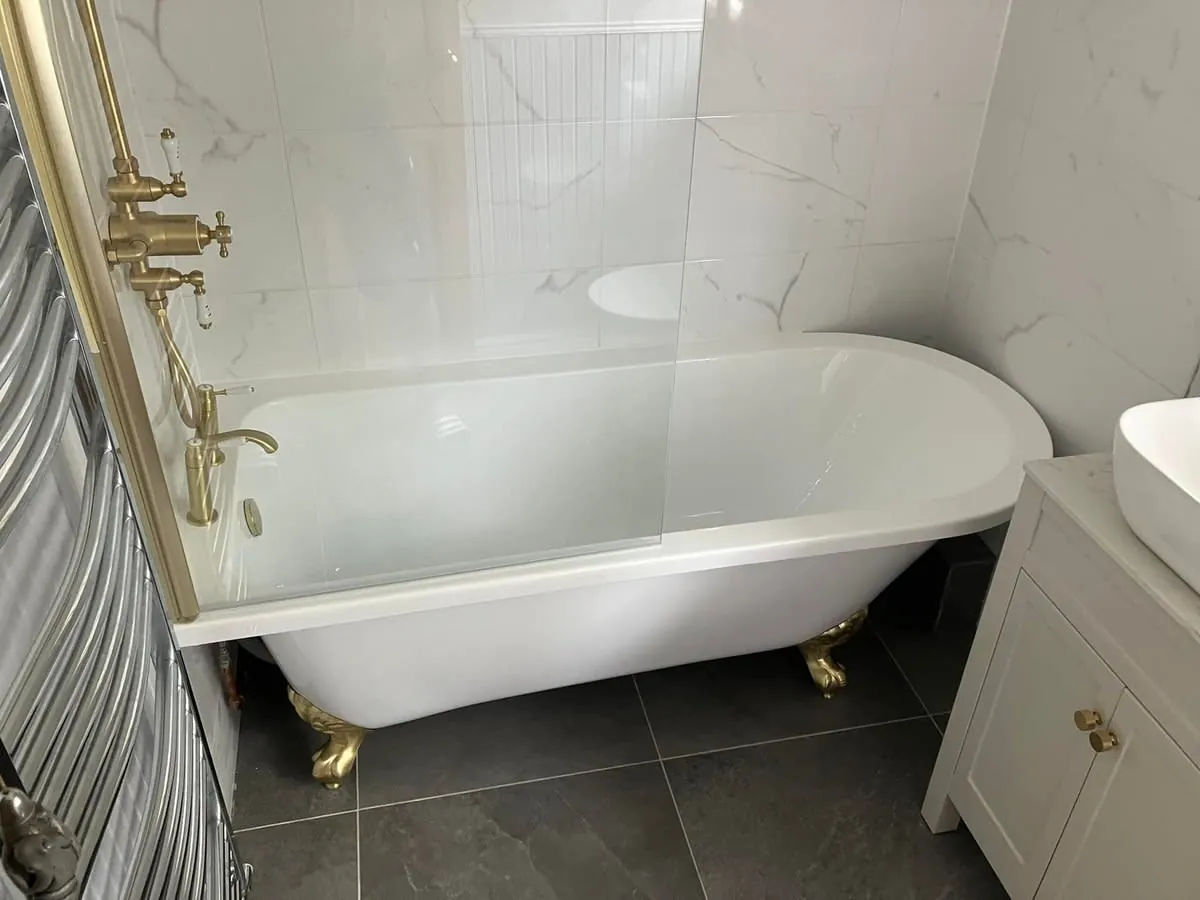
Neither is simply better. A freestanding bath wins on looks and drama; a built-in bath wins on practicality and value. The trick is matching the bath to the room rather than to a photo you liked, and that is where a bit of local knowledge about Derby’s housing helps. Our bath installation service fits both, and we will always steer you towards the one that actually works in your space.
Freestanding Baths: The Statement Choice
A freestanding bath is a centrepiece. Whether it is a traditional roll-top that suits a period Derby terrace or a smooth modern tub for a contemporary bathroom, it draws the eye and makes the room feel like a retreat. Because it stands away from the walls, you can position it under a window or in the middle of the floor for real impact.
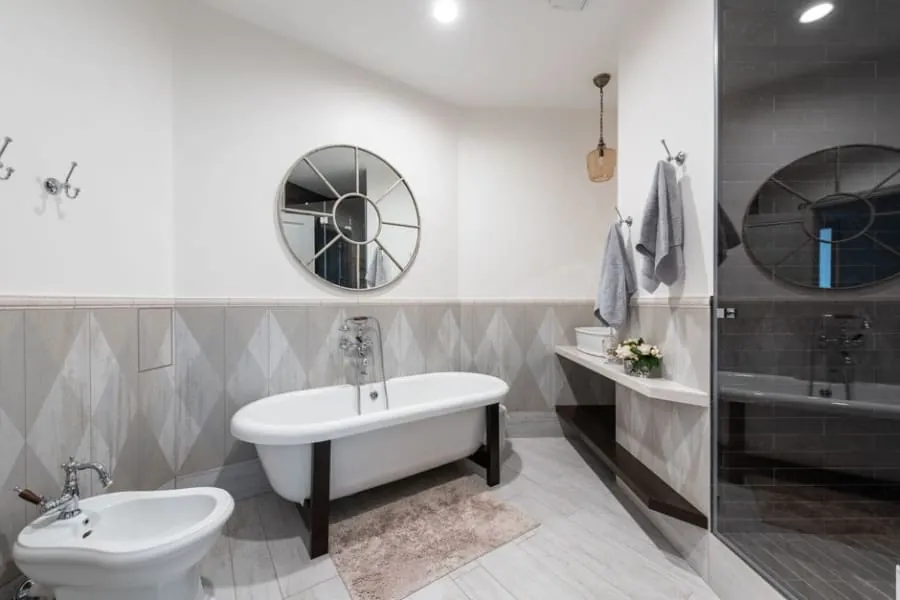
The trade-offs are space, weight and cost. A freestanding bath needs clearance all around it, so it only works in a bigger room, and it usually calls for freestanding or wall-mounted taps that add to the bill. Cleaning around and behind it takes a little more effort, and showering over one is awkward. It is a luxury choice that rewards you when the room can carry it off, and looks cramped when it cannot.
Built-In Baths: The Practical Workhorse
The built-in bath earns its popularity. Fitted into an alcove or against a wall and finished with a panel, it uses space efficiently, costs less, and, crucially for families, lets you fit a shower over it with a glass screen. For a home with one bathroom doing everything, that bath-and-shower combination is hard to beat.
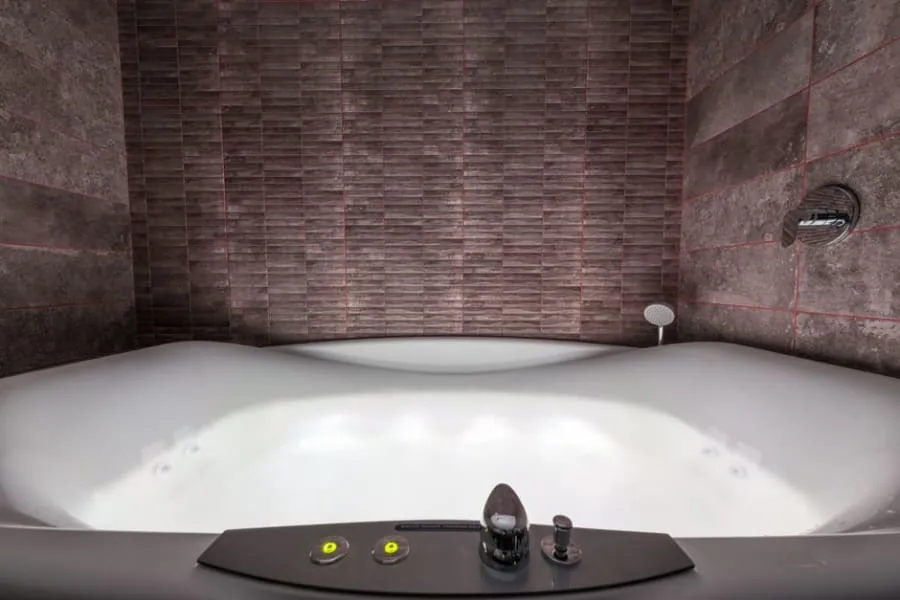
A built-in bath is also easier to build storage and tiling around, and the sealed edge against the wall is simpler to keep clean than the open floor under a freestanding tub. It is the sensible default for most standard Derby bathrooms, and a good-quality built-in bath in a straight, L-shaped or P-shaped form covers almost every practical need. We fit these day in, day out across the city.
Space and Layout in Derby Homes
Space is usually the deciding factor. Derby’s Victorian and Edwardian terraces often have compact bathrooms, sometimes squeezed into a rear addition, and there is simply no room to walk around a freestanding bath in those. A built-in bath, often with a shower over it, is the layout that makes those rooms work.
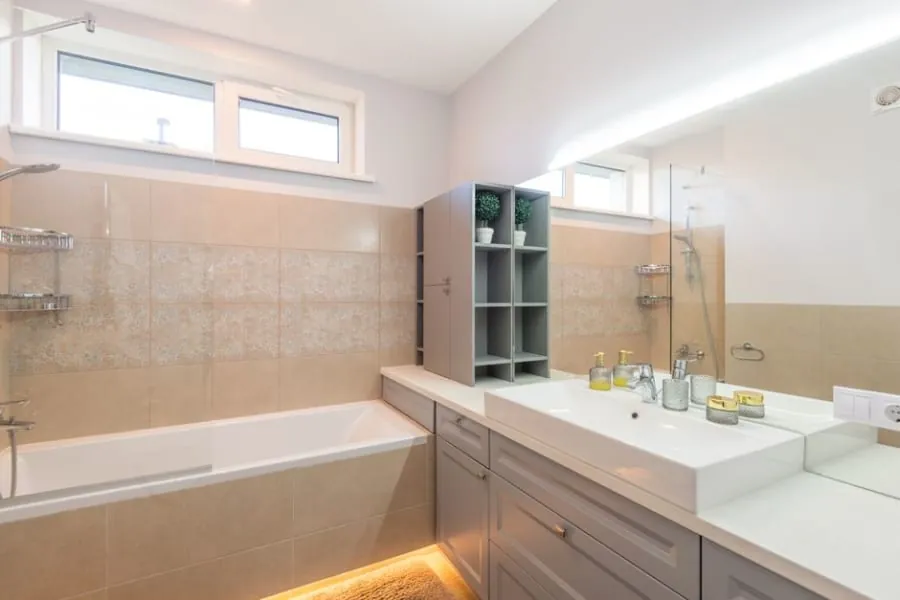
Where there is more room to play with - a larger semi, a bungalow, or a new-build with a decent bathroom - a freestanding bath becomes a real option, especially alongside a separate walk-in shower. If you are trying to fit a lot into a modest room, our guide to family bathroom ideas for Derby homes covers making the most of a shared space, where a built-in bath usually wins.
Weight and Floor Loading
Weight is the factor people forget, and it matters most in Derby’s older housing. A cast iron or stone freestanding bath is extremely heavy before you add a full load of water and a person, and the suspended timber floors in Victorian and Edwardian terraces were not built with that in mind.

Before a heavy freestanding bath goes into an older terrace, the joists should be checked and sometimes strengthened, which is exactly the kind of thing we look at during a survey. Acrylic freestanding baths weigh a fraction of cast iron and are often the smart choice in a period home for that reason. The point we made in our guide to renovating a bathroom in a period terrace in Derby applies here: the floor under the bath matters as much as the bath itself, and it should meet the standards in the building regulations.
Cost and Which Suits Your Home
On cost, a built-in bath is the more economical choice across the board: the bath is cheaper, the taps are cheaper, and it takes less room. A freestanding bath costs more, both for the tub and the freestanding or wall taps it usually needs, and it asks for a bigger bathroom to do it justice.
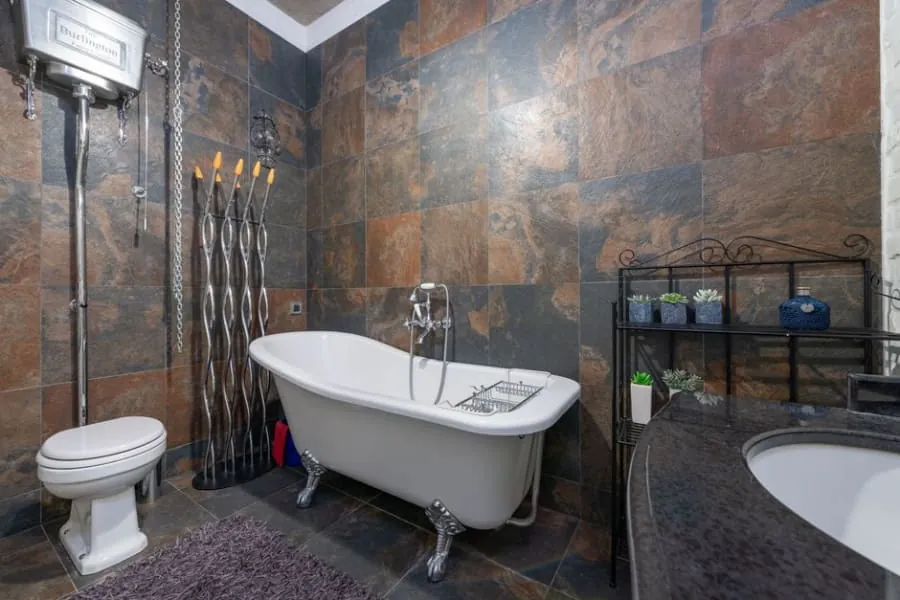
So the honest guidance is this: if you have a generous bathroom and want a showpiece, a freestanding bath is a lovely thing and worth the outlay. If your bathroom is standard or small, or it is the only one in the house, a built-in bath with a shower over it gives you far more practical use for less money. For a broader view on where spending pays off, the HomeOwners Alliance improvement guides and Which? bathroom reviews are worth a look. Either way, match the bath to your room and it will serve you well.
Frequently Asked Questions
Is a freestanding or built-in bath better for a Derby home?
Neither is better outright; it depends on the room. A freestanding bath is a statement piece that needs space around it and a floor that can take the weight, so it suits larger or period bathrooms. A built-in bath is space-efficient, cheaper, and lets you fit a shower over it, which makes it the practical choice for smaller or family bathrooms. Most Derby homes with a single, standard-sized bathroom are better served by a built-in bath.
Do freestanding baths need a stronger floor?
They can, especially cast iron or stone models, which are very heavy before you add the water and a person. On the suspended timber floors common in Derby’s Victorian and Edwardian terraces, the joists should be checked and sometimes strengthened before a heavy freestanding bath goes in. Acrylic freestanding baths are much lighter and are often the sensible choice in an older house.
Can you have a shower over a freestanding bath?
It is difficult and rarely ideal. A freestanding bath sits away from the wall with no easy way to fix a screen, so a shower over it tends to spray water across the room. If you want a bath and a shower in one, a built-in bath with a glass screen is far more practical. A freestanding bath works best where there is a separate shower or walk-in shower alongside it.
Are freestanding baths worth the extra cost?
If you have the space and want the look, yes, because a freestanding bath is a genuine centrepiece that lifts a whole bathroom. But it costs more than a built-in bath, often needs freestanding or wall-mounted taps that add to the bill, and takes more room. In a smaller Derby bathroom the money is usually better spent on a quality built-in bath and a good shower.
Not sure which bath suits your Derby bathroom? Get a free quote from Bathroom Fitters Derby and we will match the right bath to your space, your floor and your budget.