22 August 2026
Bathroom Wall Panels Or Tiles? What Works Best In Derby Homes
The most revealing moment in a bathroom strip-out is when the old tiles come off the wall. In a lot of Derby houses, a fair bit of the wall comes with them - blown plaster in a Victorian terrace, damp-softened board around an old shower, or a patchwork of previous repairs. What is behind the tiles is usually what decides whether the room gets tiled again or panelled, and it is a question worth asking before you fall in love with a finish. Panels have moved a long way from the shiny plastic sheets people remember, and now hold roughly a fifth of the UK shower-wall market, while tiling remains the default in around three quarters of full refits. Both are right in the correct room. Here is how they compare where it counts.
What Bathroom Wall Panels Actually Are
Panel is a broad word covering three quite different products. Cheapest is PVC, a hollow-cored plastic sheet, fine for a utility room or a rental but light and easy to dent. Above that sits high-pressure laminate on a moisture-resistant core, which is the mainstream choice and where most convincing stone and marble finishes live. At the top are solid acrylic and composite panels, heavier and effectively joint-free.
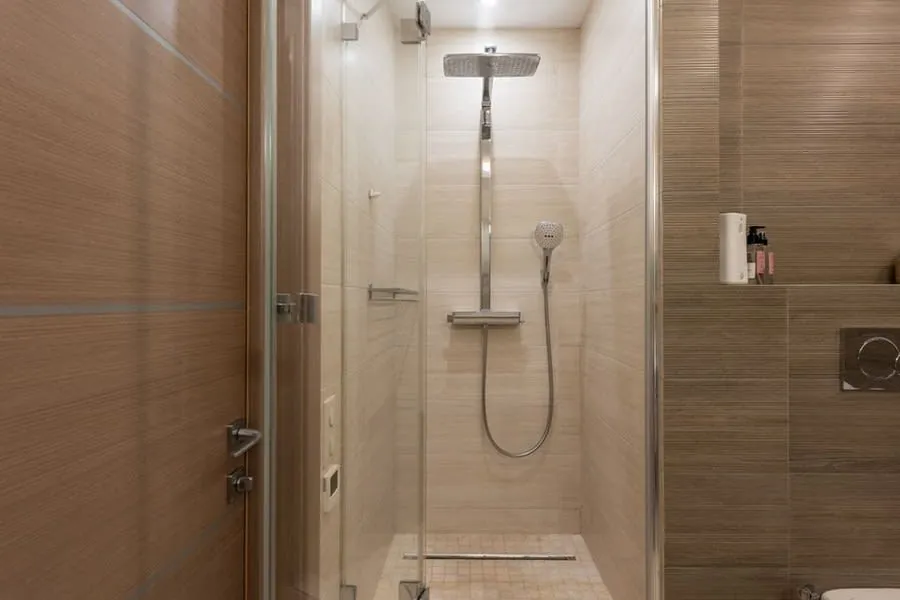
All three work the same way: large sheets, typically around a metre wide and full height, bonded to the wall and joined with sealed trims or tongue-and-groove edges. That is the whole point of them - one continuous waterproof surface instead of a few hundred small ones held together by grout. It also means the finish is decided by the panel, so unlike our tiling services, there is little a skilled hand can add or subtract on the day.
The Cost Comparison, Honestly
Per square metre, the materials are closer than people expect. A decent laminate panel and a mid-range porcelain tile can land within a few pounds of each other, and premium acrylic panels comfortably outprice budget ceramic. The difference is labour. Tiling a shower area properly takes two to three days once you count setting out, cutting, grouting and returning to seal. Panelling the same area is usually a day.

In practice, a tiled shower enclosure in a Derby home comes in around £700 to £1,200 including materials and labour, with the panelled version of the same wall closer to £400 to £800. Go full-height around an entire bathroom and the gap widens, because you are saving two or three days of skilled time rather than one. Tiles claw some of it back over decades of service, which is the trade you are really making.
Fitting Time And How Much Disruption You Get
If the bathroom in question is the only one in the house, days matter more than money. Panels can go over a sound existing surface, which removes the noisiest and dirtiest part of the job entirely - no hacking off, no skip of broken ceramic, no re-plastering the wall you have just wrecked getting the old tiles down.
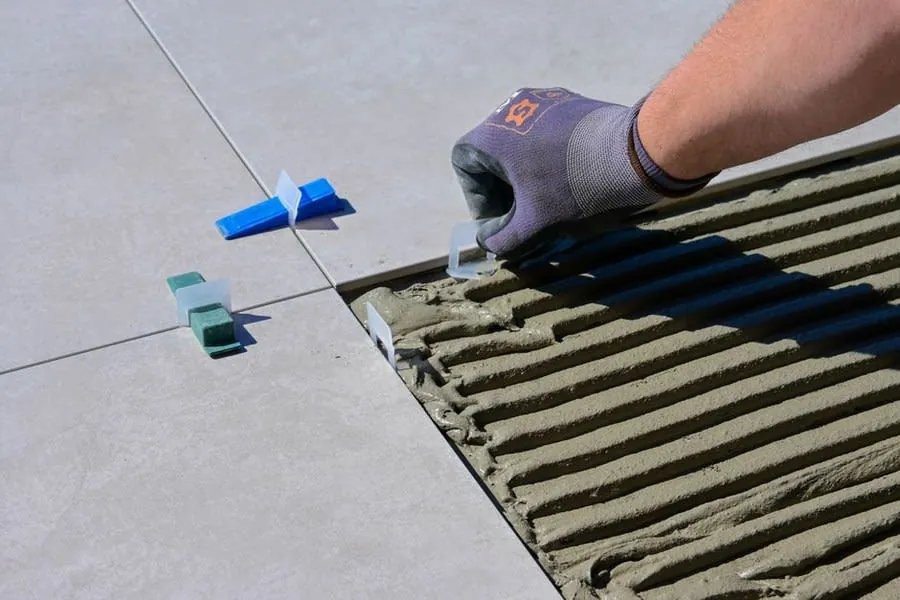
There is a second timing advantage that gets overlooked. Tile adhesive and grout need curing time before the shower can be used, so there is a wait at the end even after the tiler has finished. A panelled shower is usable once the sealant has gone off overnight. For a one-bathroom terrace in Normanton or a family working around school runs, shaving three or four days off the disruption is often worth more than the money saved.
Grout, Limescale And Derby’s Hard Water
This is where panels make their strongest case in this part of the country. Derby sits in a hard water area, and hard water is unkind to grout. Limescale builds in the porous lines between tiles, discolouration follows, and a shower that looked immaculate at handover can look tired within a couple of years if nobody keeps on top of it.

A panelled wall has almost nothing for scale to grip. There are seams and there is silicone at the edges, and those do need occasional attention, but you are maintaining a handful of joints instead of a wall of them. Tiling is not defenceless - an epoxy or well-specified grout with a proper sealing regime holds up far better than standard cementitious grout, and the Tile Association is a sound reference on materials and standards. But it needs doing, and most people do not do it. We covered the wider issue in our guide to hard water in Derby bathrooms.
Why The State Of Your Walls Changes The Answer
Derby’s housing stock spans a lot of eras, and the wall behind the finish varies just as much. Solid brick with old lime or gypsum plaster in the pre-war terraces around Peartree and New Normanton. Plasterboard on dabs in the newer estates at Chellaston and Oakwood. Sometimes both in one room, where an old bathroom has been extended or a chimney breast boxed in.
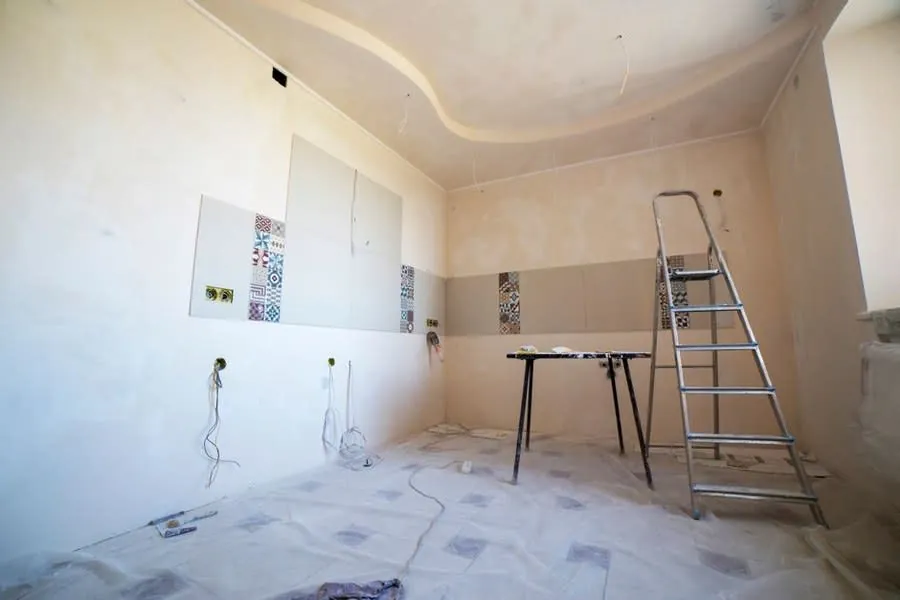
Tiles are heavy and unforgiving. They need a flat, sound, load-bearing substrate, and on a century-old wall that often means overboarding or re-plastering before a single tile goes on - a real cost that rarely appears in the online comparisons. Panels are lighter and more tolerant of a wall that is slightly out, though they are not a cure for a bad one. Neither product fixes damp or a failed waterproofing layer, and in a shower area both should sit on a properly tanked surface, in line with the water and drainage requirements in Approved Document G.
Which One Looks Better In Five Years
New, both can look excellent. The real question is how each one ages. Tiles hold their appearance well and the material itself is essentially permanent; what dates is the grout, and grout can be raked out and renewed. A good tiled bathroom is also still the finish most buyers read as quality, which counts if you are thinking about resale.
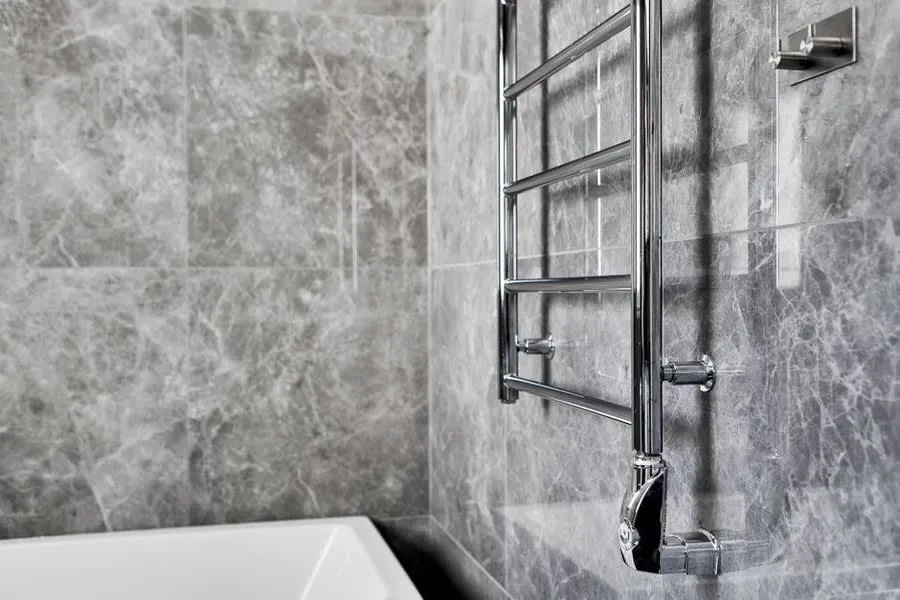
Panels age differently. The face stays clean with almost no effort, but the edges and seals are the weak point, and a knock at a corner is harder to make good than a chipped tile is to replace. Anything with a printed pattern also carries a small risk of looking of its moment in a way that plain stone-effect porcelain does not. Buyer perception is shifting as panel quality improves, and independent product reviews such as Which? bathroom guidance are a useful sanity check before you commit to a brand.
What We Would Choose Room By Room
For a main family bathroom that is staying put for a decade, we would tile, and we would spend the money on the tiler rather than the tile. For a small en-suite or a shower in a box room, panels are frequently the better answer - fewer joints, quicker to fit, and less to clean in a room that gets steamy and never fully dries.
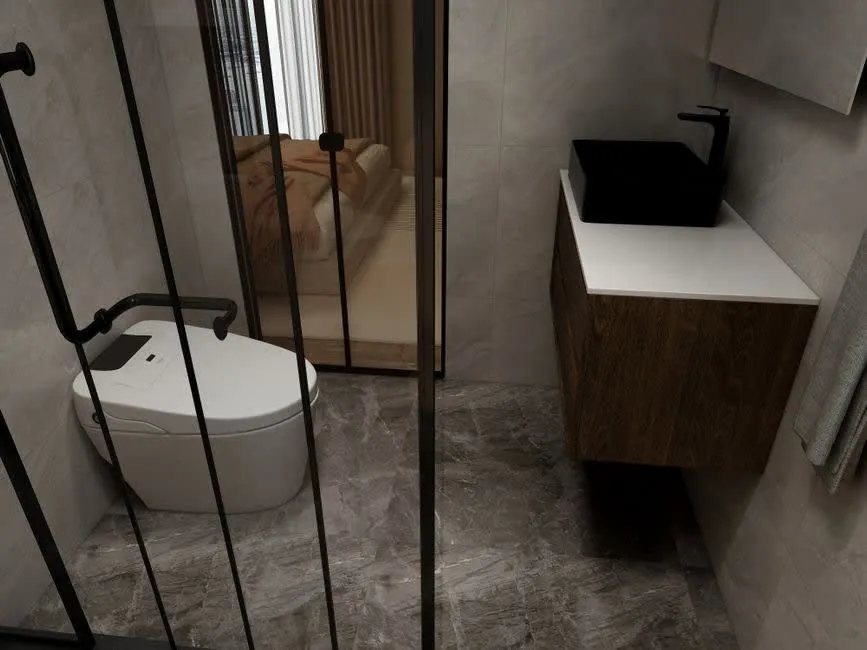
For a rental or an HMO, panels win on maintenance almost every time, because there is no grout for a tenant to neglect. In a wet room, we would usually mix the two: panels or a large-format tile on the wet wall, tiles elsewhere. And in a period terrace with rough walls and a tight budget, panelling over a sound old surface can deliver a good-looking room for a fraction of the cost of putting it right for tiles. If tiling is the direction you are leaning, our guide to choosing bathroom tiles for your Derby home covers the specifics.
Frequently Asked Questions
Are bathroom wall panels cheaper than tiles in Derby?
Usually, once labour is counted. Panels themselves can cost as much as a mid-range tile per square metre, but they go up in a day rather than three, so you save on fitting. A tiled shower area in Derby often works out around £700 to £1,200 all in, where the panelled equivalent is frequently £400 to £800. The saving comes from time, not materials.
Do wall panels look cheap?
The thin PVC panels from a decade ago did. Current high-pressure laminate and acrylic panels in stone and marble finishes look convincing at normal viewing distance, and the lack of grout lines makes them read as clean rather than cheap. Where they still give themselves away is at corners and edges, so the trim detailing is what separates a good panel job from an obvious one.
Can you fit wall panels over existing tiles?
Often yes, and it is one of their real advantages. If the old tiles are sound, well stuck and reasonably flat, panels can be bonded straight over the top, which saves the mess and the wall damage that comes with hacking tiles off a Derby terrace wall. If the tiles are loose or the wall behind is blown, they have to come off first.
Which lasts longer, tiles or wall panels?
Well-fitted porcelain tiles on a sound wall will outlast panels, and can still look right after twenty years or more if the grout is maintained. Good panels typically give ten to fifteen years before the seals and edges start to show their age. The honest comparison is that tiles last longer but need more upkeep, and panels need almost none but will be replaced sooner.
Still weighing up the walls in your own bathroom? Get a free quote from Bathroom Fitters Derby and we will tell you honestly which finish makes sense for your room and your walls.