18 August 2026
Bathroom Renovation Mistakes to Avoid in Derby: An Honest Fitter's Guide
After years of fitting bathrooms across Derby, we have seen the same avoidable mistakes come up again and again, and the frustrating part is that almost all of them are cheaper to prevent than to fix. A bathroom is one of the more expensive and disruptive rooms to renovate, and it hides a lot of work behind the tiles, so a mistake here is not like repainting a wall you got wrong. We are regularly called in to put right jobs that went wrong for reasons that were entirely predictable. This guide is the honest version we give friends and family: the biggest mistakes we see homeowners make when renovating a bathroom in Derby, and exactly how to avoid each one.
Not Planning Properly Before You Start
The single most expensive mistake happens before any work begins. People get excited, pick some tiles and a suite, and dive in without a proper plan for the layout, the order of work or how the room actually needs to function day to day. Then, halfway through, they realise the towel rail clashes with the door or there is nowhere to put anything, and changes made mid-job cost far more than decisions made on paper.
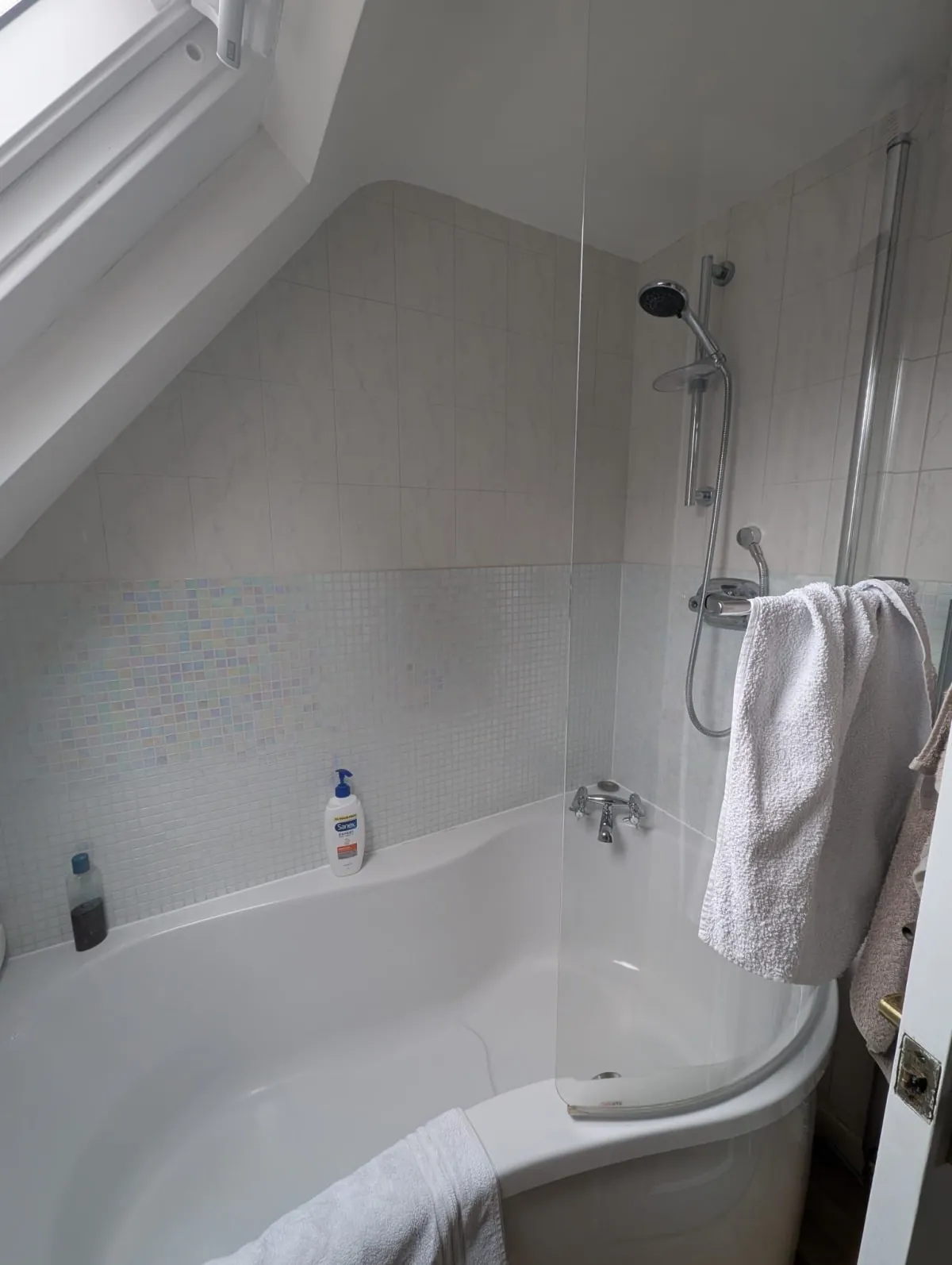
Good planning means thinking about who uses the bathroom and how, where the plumbing can practically go, and what storage you will need, before you fall in love with a look. It also means being realistic about the space, because a design that works in a showroom may be cramped in a Derby terrace bathroom. Spend the time up front, and the rest of the job runs smoothly. Our new bathroom guide walks through the planning stage in more detail.
Underestimating the Budget
The second classic mistake is budgeting for what you can see and forgetting what you cannot. People price up the bath, the tiles and the taps, and are then caught out by the labour, the waterproofing, and the surprises that only appear once the old bathroom is ripped out. In Derby’s older housing, those surprises are common: tired pipework, a soft or rotten floor, or dodgy previous work that has to be corrected.

The fix is simple: build in a contingency of around 10 to 15 percent for the unexpected, and get a detailed written quote so you know what is and is not included. A quote that seems too cheap is often too cheap because it leaves things out that reappear as extras later. We set out realistic figures in our guide to how much a full bathroom renovation costs in Derby, and a sensible budget with a buffer is far less stressful than a tight one that runs out.
Skimping on Ventilation
Ventilation is the part people happily skip to save a little money, and it is the one that comes back to haunt them. A bathroom generates a lot of moisture, and without a decent extractor that warm, wet air condenses on cold walls and turns into black mould in the corners and around the window. We see it constantly in Derby bathrooms that were refitted beautifully but ventilated as an afterthought.
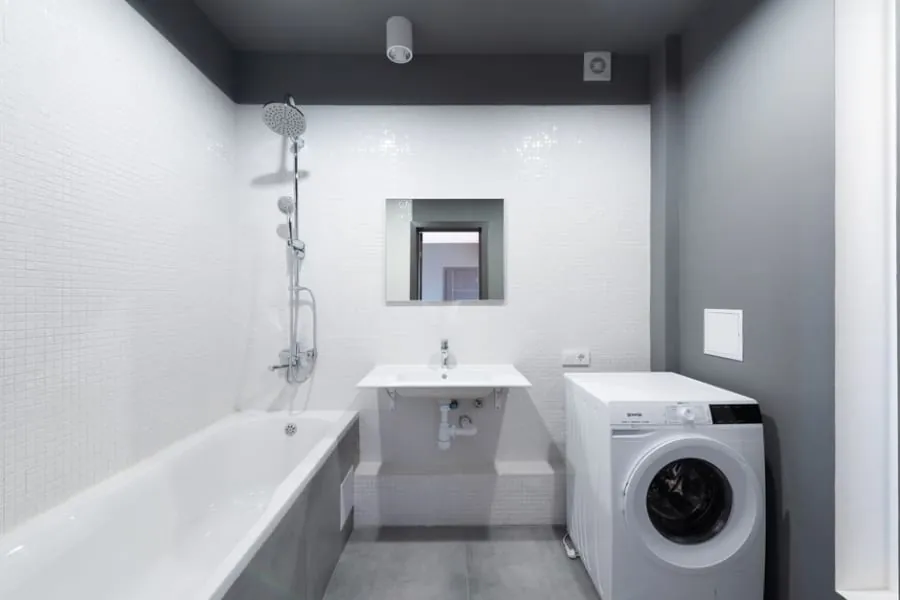
Building regulations set a minimum extraction rate for a bathroom fan for exactly this reason, and skipping the regs on notifiable work is a mistake in its own right, because it can cause problems when you sell. A proper extractor, ducted to outside air, keeps the room dry, protects your new bathroom and prevents the mould that ruins sealant and paint. We went into the detail in our guide to bathroom ventilation in Derby, and it is money far better spent than saved.
Buying the Cheapest Fittings
There is a difference between good value and cheap, and bathrooms punish the latter. The cheapest taps, showers and valves look fine on day one and then let you down: they seize up, drip, or lose their finish, and in Derby’s hard water that happens faster because limescale attacks cheap chrome and internal parts. Replacing a failed fitting mid-tenancy or a year after the job is a false economy on what you saved.
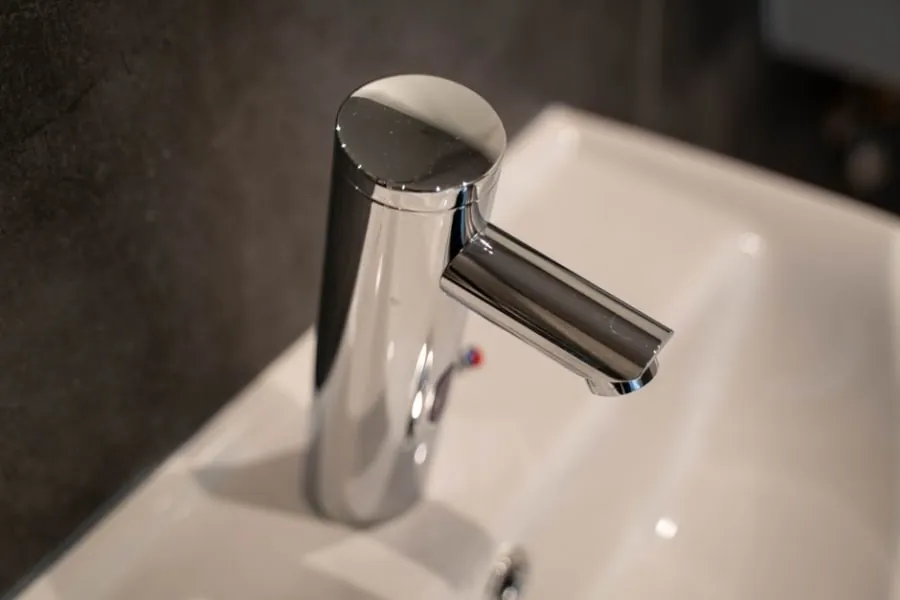
You do not need the most expensive fittings, but you do want solid, mid-range brassware and a thermostatic shower valve that holds its temperature and copes with hard water. Spending sensibly on the parts that get used every day is where the money makes a real difference. The limescale side is covered in our guide to hard water in Derby bathrooms, which explains why the cheapest fittings rarely last here.
Getting the Order of Work Wrong
A bathroom has to be built in the right sequence, and getting it wrong is a mistake that shows. The work runs in a set order: strip out, first-fix plumbing and electrics, boarding and waterproofing, tiling, then second-fix to fit the suite and seal up. Skip a stage or do them out of order - tiling before the walls are prepared, or fitting the suite before the tiling - and the finish suffers or has to be redone.
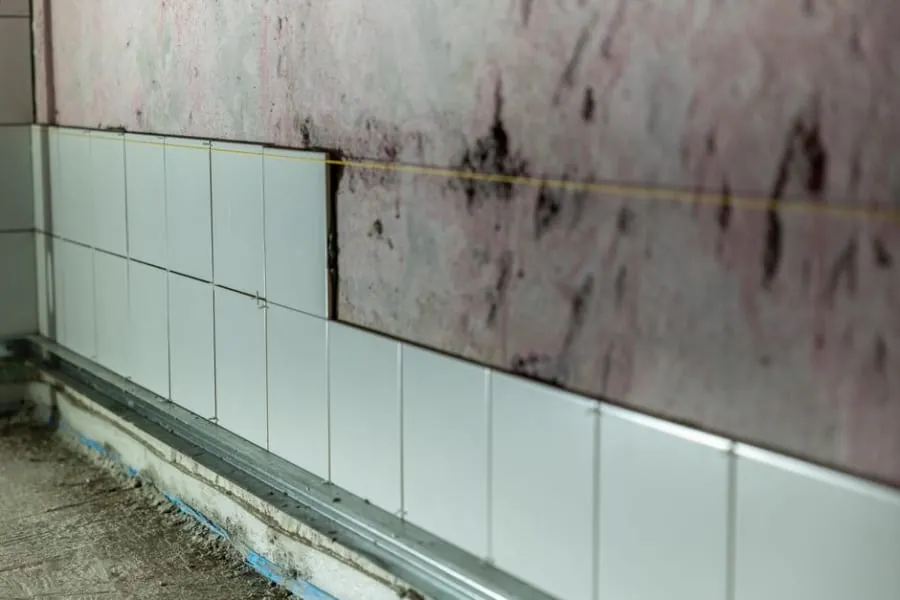
This is where the DIY renovations most often come unstuck, and where a good fitter earns their keep by coordinating the trades so each stage is ready for the next. It is also why cutting corners on the bits behind the tiles, like the waterproofing, is so costly: a leak found later means pulling apart finished work. The order matters as much as the materials, and a proper bathroom remodel is planned around it from the start.
Tiling Over Problems Instead of Fixing Them
Closely related, and common enough to deserve its own warning, is the habit of tiling over problems rather than fixing them. Tiling over old tiles, over damp, or over a wall that was never properly waterproofed simply hides the issue for a while, and then the new tiles blow off the wall or the damp works through. We are called back to redo these jobs more often than any other.
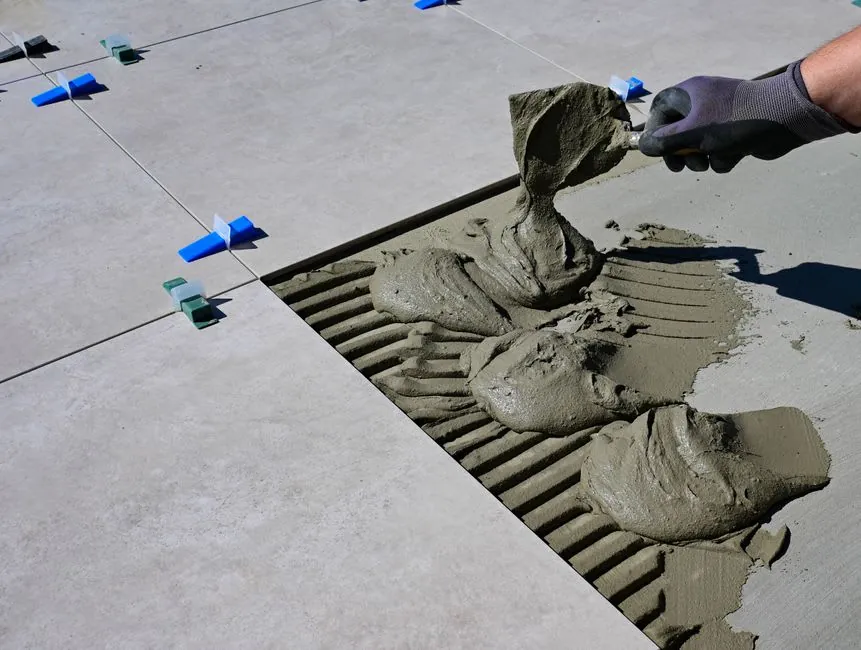
The right approach is to strip back to a sound surface, sort out any damp, tank the wet areas properly, and tile onto something reliable. This matters even more in Derby’s solid-walled Victorian and Edwardian terraces, where old plaster and no cavity make damp a genuine risk. We covered the specifics in our guide to renovating a bathroom in a period terrace in Derby. Fixing the wall behind the tile is not glamorous, but it is what makes the bathroom last.
Choosing the Wrong Fitter
The mistake that underpins most of the others is choosing the wrong person to do the work. Picking purely on the lowest quote, going for a cash-in-hand job with no paperwork, or hiring someone who cannot show you previous work or give a guarantee is how good money gets spent on a bad bathroom. The cheapest quote is often cheapest because something is being left out or rushed.
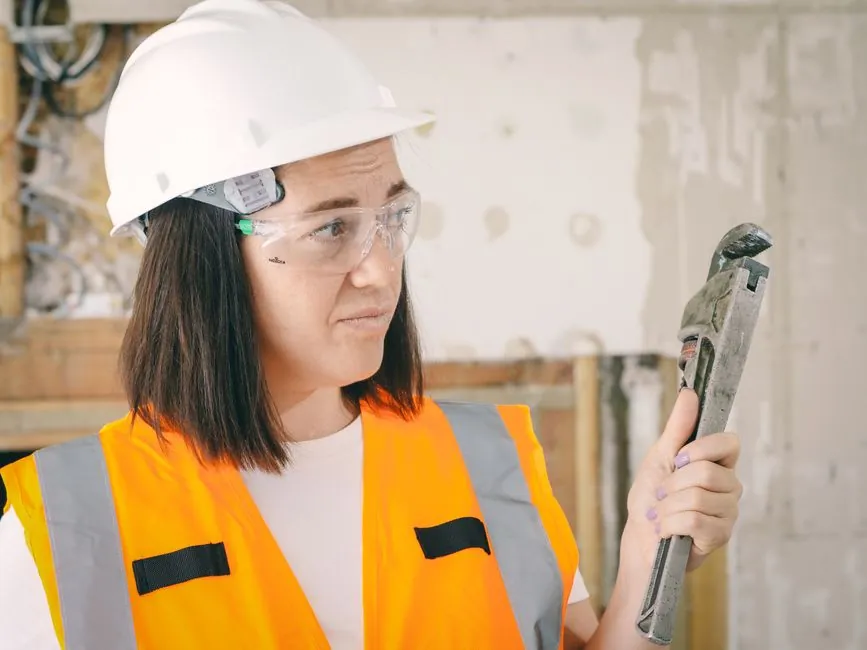
A good fitter gives a clear written quote, is happy to explain how they sequence the work, has reviews or references you can check, and stands behind the job with a guarantee. Choosing a registered or vetted tradesperson through a scheme like TrustMark adds reassurance, and general advice from the HomeOwners Alliance is worth reading before you commit. Making sure the work meets the building regulations protects you too. We covered how to vet a fitter in our guide to how to choose a bathroom fitter in Derby, and getting this decision right is what avoids all the others.
Frequently Asked Questions
What is the most common bathroom renovation mistake?
Poor planning is the one that causes the most problems. Rushing into a bathroom renovation without a proper design, a realistic budget and a clear idea of how the room needs to work leads to changes mid-job, which is where costs spiral and mistakes creep in. Spending time on the plan before anyone lifts a tool is the single best way to avoid trouble later.
How much should I budget for a bathroom renovation in Derby?
It depends on the size and spec, but the mistake to avoid is budgeting only for the visible fittings and forgetting the labour, waterproofing, and the things you cannot see until the old bathroom is out. Always keep a contingency of around 10 to 15 percent for surprises like old pipework or a soft floor, which are common in Derby’s older housing. A realistic budget with a buffer beats a tight one that blows halfway through.
Can I tile over old bathroom tiles or a damp wall?
It is a false economy that we are often called back to fix. Tiling over old tiles or a damp, poorly prepared wall traps problems underneath and the new tiles fail within a year or two. The right approach is to strip back to a sound, properly waterproofed surface before tiling, especially in Derby’s solid-walled terraces where damp is common. Do it once, properly, rather than twice.
How do I choose a good bathroom fitter in Derby?
Avoid picking purely on the cheapest quote, which is the classic mistake. Look for a fitter who gives a clear written quote, has references or reviews you can check, is happy to explain how they sequence the work, and stands behind their work with a guarantee. A registered or vetted trader gives extra reassurance. The right fitter costs a little more and saves you the expense and stress of putting a bad job right.
Planning a bathroom renovation and want it done right the first time? Get a free quote from Bathroom Fitters Derby and we will plan the job properly, from the waterproofing behind the tiles to the finish.