27 September 2026
Bathroom Fitters In Belper And Duffield: Costs, Hard Water And What Stone-Built Homes Need
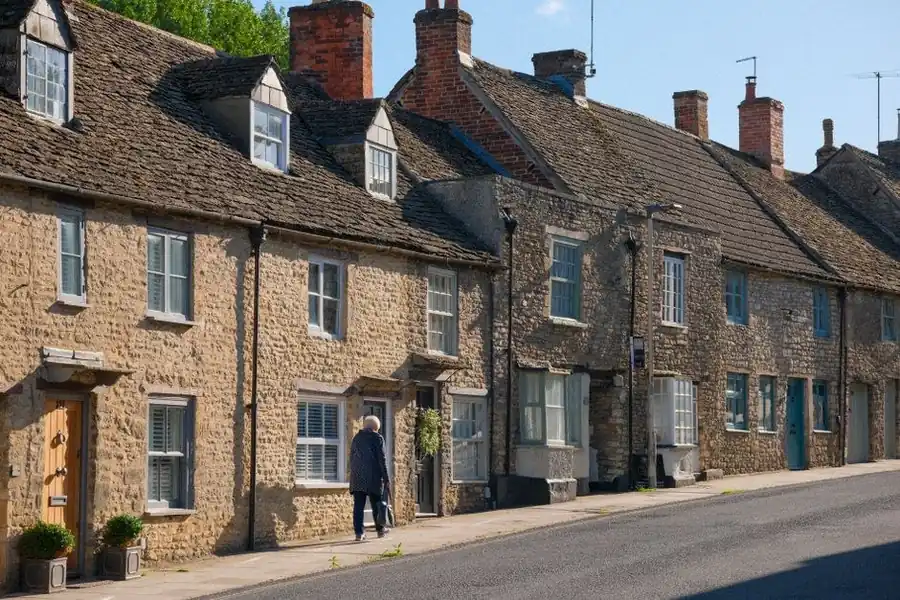
Belper sits eight miles up the A6 from our base in Derby, with Duffield roughly halfway between the two, and the houses change noticeably over that short run. Jedediah Strutt put his first water-powered cotton mill in Belper in 1776, the workers’ terraces followed, and in 2001 the whole valley went on the UNESCO list as part of the Derwent Valley Mills World Heritage Site. What that means for anyone planning a bathroom is simple enough: a lot of the housing here is gritstone, solid walled, timber floored and well over a century old. The rooms are often small, the walls are often thick, and the assumptions that work fine on a Chellaston new build fall apart quickly. Here is what actually changes, what it costs, and the local rules worth reading before the skip arrives.
Ten Minutes Up The A6, A Different Kind Of House
Most of our work is in the city, but the enquiries from the Derwent valley come with a different set of problems attached. A full bathroom remodel in a 1930s Derby semi is a known quantity. The same job in a Strutt-era terrace on Long Row, or in one of the tall stone houses on the Duffield side, involves walls you cannot chase, floors you have to open before you price, and pipe runs that have to go somewhere other than where you would like them.
None of this is a reason to avoid the work. It is a reason to survey properly first. We cover the whole valley from Derby and the travel adds nothing to the price, but it does mean we want to see the room before quoting rather than pricing off a photo. If you want the wider picture on what we do across the town, our bathroom fitting in Belper page covers the services and the area.
What A New Bathroom Costs Up Here
The bands are the same ones we quote across Derbyshire. A like-for-like swap, where the bath, basin and toilet stay roughly where they are and the tiling is modest, tends to run £3,500 to £5,000. A proper refit with a new layout, full tiling, a decent shower and new flooring usually lands between £5,000 and £9,000. Past £10,000 you are into larger rooms, bespoke joinery or a full wet room build.
What shifts the number in Belper and Duffield is the fabric, not the fittings. Boarding out a solid stone wall so it is flat enough to tile is a day or two that a plasterboard-and-cavity house does not need. Core drilling a new waste through 500mm of masonry is a morning with the right kit and a bad week with the wrong one. Lifting and strengthening a suspended floor before a heavy bath goes in adds materials and labour. None of those are extras invented at the end. They are the reason a stone house quote reads higher than a friend’s quote for the same suite in Mickleover, and any fitter who has not mentioned them has probably not looked closely enough.
On older property up the valley, treat the middle band as a starting point rather than a ceiling, and expect the firm number to come from a visit rather than a phone call.
Solid Walls Change How The Room Gets Built
There is no cavity in a Belper mill terrace. The wall is stone, often two faces with rubble packed between them, sometimes half a metre thick, and it behaves nothing like a modern block-and-plasterboard wall. You cannot chase a 22mm pipe into it the way you would into blockwork, you cannot fix a heavy wall-hung pan to loose stone and hope, and if you dot-and-dab straight onto damp masonry you have built a problem into the room.
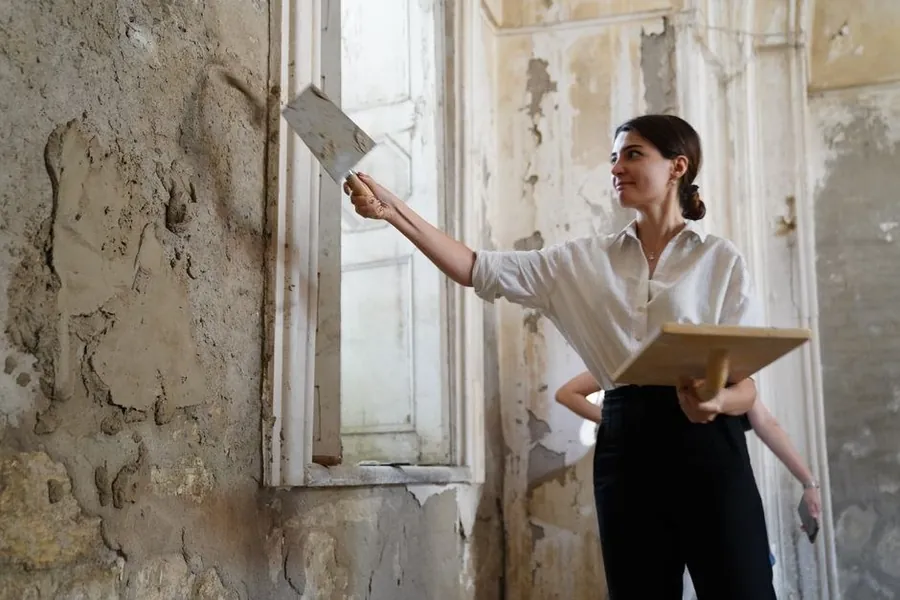
The usual answer is a treated batten frame with cement backer board over it, which gives a flat, rigid, waterproof surface to tile onto and a service void behind for pipework. Behind a bath on an external wall we will often specify an insulated board instead of a plain one, because the cold spot behind an acrylic bath against bare stone is where condensation likes to collect. Our guide to what sits behind your bathroom tiles goes through the boarding and tanking detail properly.
One caution specific to these houses. Old stone walls were built to breathe, and wrapping the whole room in impermeable layers can push moisture somewhere less convenient. Waterproof the wet zones thoroughly, leave the rest able to dry, and do not treat a 200 year old wall like a new build.
Getting A Waste Pipe Through Half A Metre Of Masonry
Moving a toilet is where a lot of Belper and Duffield projects get interesting. A 110mm soil connection needs a fall, it needs somewhere to discharge, and it needs to get through a wall that was built to keep weather out rather than to accommodate plumbers.
A diamond core drill handles the stone. The complication is the rubble fill, because the bit can pass through the outer face and drop into loose material that then wants to move. Sometimes the answer is a different position, sometimes it is packing and making good as you go, and occasionally it is keeping the toilet where it is and reworking the rest of the layout around it. We would rather find that out at survey than halfway through a Tuesday.
Where the pipe comes out matters as much as how it gets there. A new stack or an extractor grille on a street-facing elevation in a conservation area means a conversation with the council first. Round the back, out of sight, nobody minds.
The Floor Under A Mill Terrace Bathroom
Upstairs bathrooms in the terraces around Joseph Street and Long Row sit on suspended timber, and those joists were sized for a bedroom. A 1,700mm bath holds something close to 200 litres, add a person and the bath itself and you are asking a Victorian floor to carry a load it never anticipated.
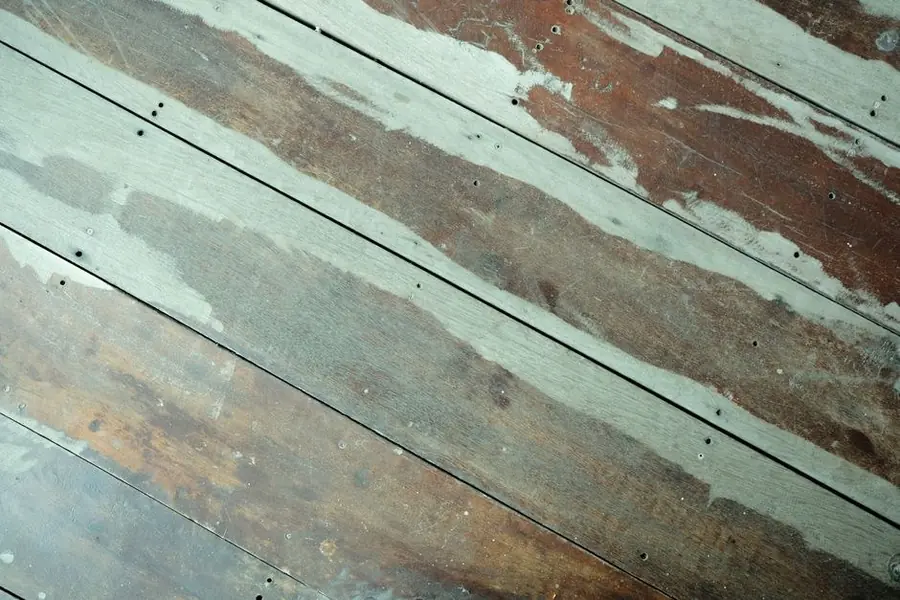
There is a second issue peculiar to stone houses. Joist ends are usually built into the wall itself, and where that wall has taken decades of driving rain off the valley, those ends can be softer than the rest of the timber. We check them whenever the boards come up, because a bath sitting on a joist with rot in the last 150mm is not a problem you want to discover through the kitchen ceiling.
Tiled floors need the same attention for a different reason. Tiles do not tolerate movement. If you are laying porcelain over a springy old floor, the deflection has to come out first, usually by sistering or adding joists and overboarding, or the grout lines will tell you about it within a year.
Limescale Is A Design Decision Here
Severn Trent supplies the whole valley, and the water carries enough dissolved calcium that limescale is something you plan around rather than clean away forever. Shower heads fur, glass clouds, and cheap brassware loses its finish faster than it should.
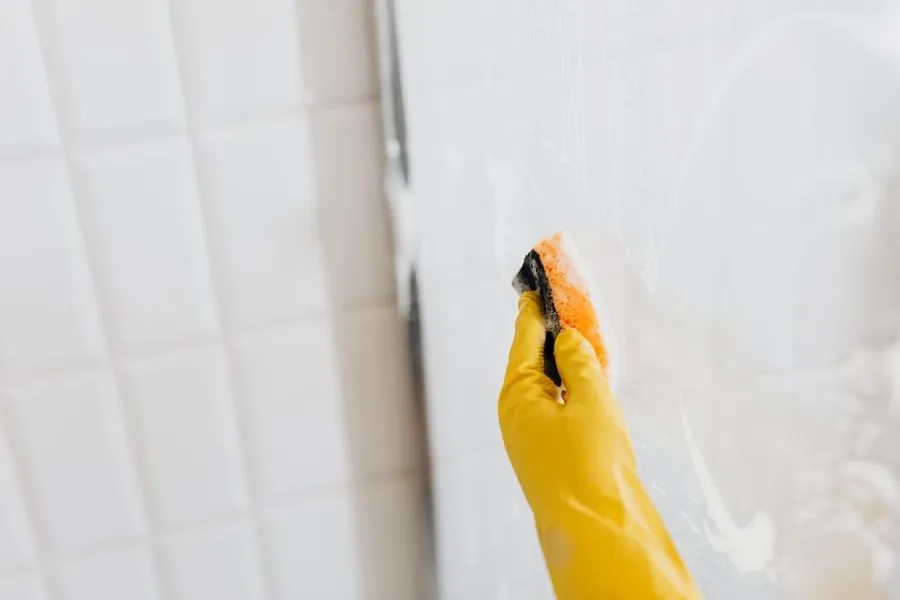
The specification does most of the work. Easy-clean coated glass, a shower head with flexible nozzles you can rub clear with a thumb, decent quality taps and a thermostatic valve that is not fussy about scale all make a real difference over five years. Our post on beating limescale in a hard water area covers the fittings and the maintenance side in more depth, and everything in it applies just as much up the A6.
A softener fitted for the kitchen will cover the bathroom as well. Without one, the fittings you pick are doing all the work.
Conservation Areas, Article 4 And The World Heritage Site
Both towns sit under Amber Valley Borough Council’s conservation area designations, and the detail differs between them. Belper and Milford were amalgamated into a single conservation area in 2003, and it carries an article 4(2) direction which strips most permitted development rights from dwellings. Duffield’s own conservation area dates from 1969 and was extended in 1980, with Duffield Bank designated separately in 1978.
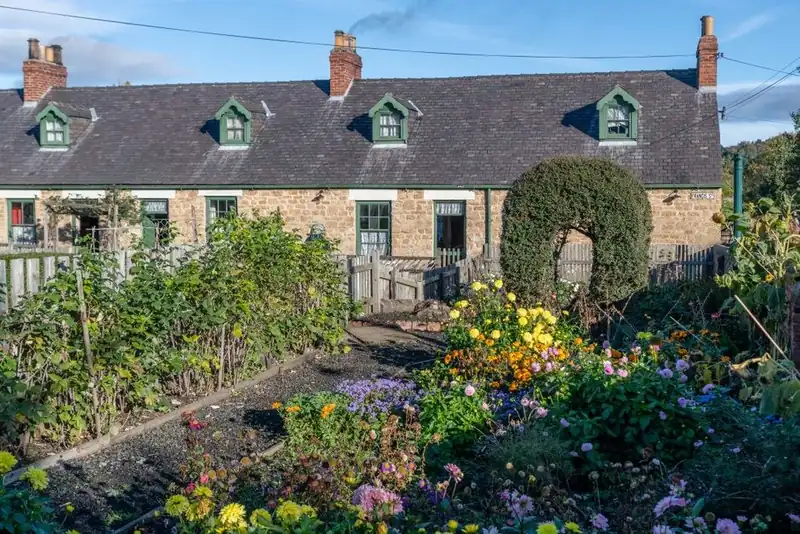
For a bathroom, the practical consequence is windows and external fittings. Swapping a rotten timber bathroom window for a uPVC frosted unit is permitted development in most of Derby. Inside that article 4 area it needs an application, and the council will have a view on the material and the detail. The same goes for anything visible bolted to the front of the house.
The controls exist for a reason. Belper’s mills anchor the Derwent Valley Mills World Heritage Site, and the workers’ housing around them is part of what earned the designation in the first place. None of that stops you having the bathroom you want. The outside of the building is simply not yours to change casually.
Duffield’s Stone Villas And Their Hot Water
Duffield’s housing runs larger. Alongside the village core there are substantial Victorian and Edwardian stone houses with bathrooms that were carved out of bedrooms at some point in the last century, and they bring a different problem: the room is generous but the hot water system feeding it is not.
A big bath, a rainfall head and an en-suite added along the landing will find the limit of an old vented cylinder very quickly. Sometimes the fix is a new unvented cylinder, which needs the incoming main to actually deliver the flow, needs someone qualified to fit it, and falls under Approved Document G of the Building Regulations for sanitation and hot water safety. Sometimes the mains flow is not there and a pumped or accumulator setup makes more sense.
Settle that question before anyone picks tiles. We measure flow and pressure at survey on any Duffield job that adds a second bathroom, because a good shower fed by a tired cylinder is a complaint waiting to happen.
Frequently Asked Questions
Which council covers Belper and Duffield for bathroom work?
Both are in Amber Valley Borough Council’s area, so the same planning department and the same building control route applies to Belper, Milford, Duffield and Duffield Bank. Internal bathroom work almost never needs planning permission, but anything that changes the outside of the house, such as a new window, a new soil pipe or an extractor grille on a visible elevation, can do. Derbyshire County Council handles highways and county matters, not householder planning.
Does a bathroom refit in the Belper conservation area need planning permission?
The work inside the room does not, but Belper and Milford conservation area carries an article 4(2) direction that removes most permitted development rights from dwellings. In practice that means replacing a bathroom window or a door needs a planning application even though the same job would be permitted development elsewhere. Check with Amber Valley before you order a frosted unit, and allow time for the decision in your schedule.
Is the water hard in Belper and Duffield?
Hard enough that limescale is a design factor rather than a nuisance. The supply is Severn Trent, and it carries enough dissolved calcium to fur a shower head and cloud a glass screen if nothing is done about it. Easy-clean coated glass, a rub-clean shower head and good quality brassware all make the room easier to live with, and Severn Trent publish hardness figures by postcode if you want the number for your own street.
How much does a new bathroom cost in Belper or Duffield?
A straightforward like-for-like swap in a modern house usually lands between £3,500 and £5,000, and most full refits with new tiling, new layout and decent fittings sit in the £5,000 to £9,000 band. Older stone-built homes tend to sit at the upper end or above it, because boarding out solid walls, core drilling through thick masonry and strengthening a suspended floor all add days that a 1990s semi simply does not need.
Can a new soil pipe be run through a solid stone wall?
Yes, with a diamond core drill and some care. The difficulty is that many Belper and Duffield walls are two skins of stone with a rubble fill in the middle, so the drill can break into a loose core rather than a solid one. That is a survey job, not a guess, and on a front elevation in a conservation area the position of the pipe may need agreeing with Amber Valley first.
Planning a bathroom in Belper, Duffield, Milford or anywhere else up the valley? Get a free quote and we will survey the walls, the floor and the water supply before we put a number on it.