
27 August 2026
When To Book A Bathroom Fitter In Derby: Lead Times, Seasons And Holding A Slot
Ring three well-regarded bathroom fitters in Derby on the same Monday in September and you will likely get three versions of the same answer: yes, we would love to, we can look at November. Not because anyone is being difficult - because the diary is genuinely full. Bathroom work in the city runs on a rhythm most homeowners only discover once they start phoning round. A typical full refit ties up one team for eight to twelve working days, a decent fitter runs maybe twenty to twenty-five of those a year, and the good slots go to whoever asked first. Add six to eight weeks of supplier lead time on anything that is not stock, and the gap between “we have decided to do it” and “someone is knocking the tiles off” is routinely three months. Here is how that timeline actually breaks down, and where you can shorten it.
How Far Ahead Derby Fitters Are Really Booked
The honest range across the city is four to twelve weeks, and where you land depends less on the size of your job than on who you are asking. A one-man band with no reputation can often start next week. A team with a page of reviews and a van that keeps appearing on the same streets in Littleover and Mickleover is working on a lead time measured in months, and that lead time is a signal in itself.

There is also a size effect, but it runs the opposite way to how people expect. Small jobs are harder to place, not easier. A three-day cloakroom does not fit neatly between two full refits, so it sits waiting for a gap, while a two-week bathroom gets slotted in as a block. If you are after something modest, say so early and ask to be told when a hole opens up.
What we would push back on is treating a short wait as good news. When a fitter can start on Thursday in the middle of spring, ask why. Sometimes the answer is fine - a job fell through, a customer delayed. Sometimes it is that nobody local rebooks them. Our step-by-step installation process sets out how a properly planned Derby fit is sequenced, and the sequencing is the bit that collapses when a team is scrambling to fill a week.
The Quiet Months Nobody Books, And Why That’s A Mistake
Bathroom enquiries in Derby follow a fairly predictable curve. They climb from late August, peak through October and November as people think about Christmas, drop off a cliff in mid-December, stay flat through January, then build again from March. The summer holidays create a second, softer dip.
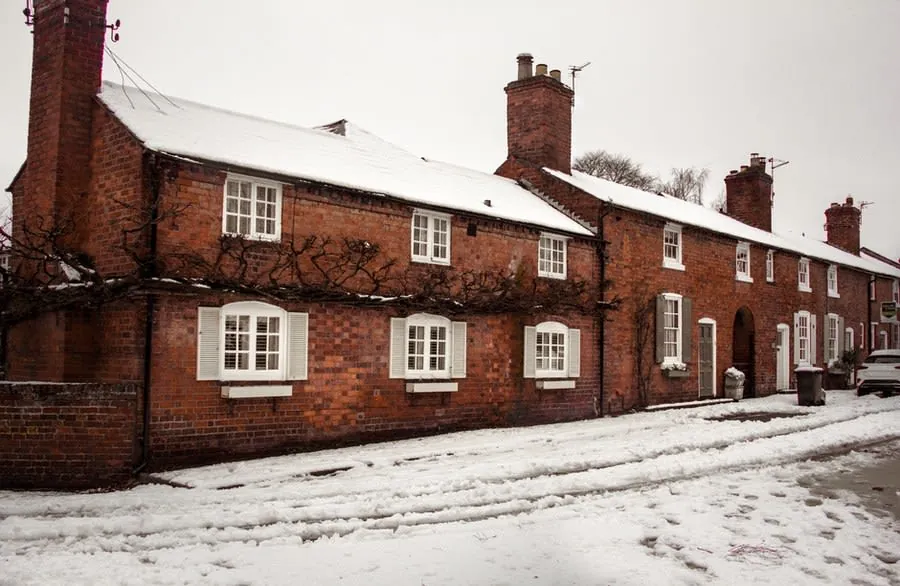
January and February are the two most underused months in the calendar, and the reasoning behind avoiding them does not survive contact with the facts. A bathroom is an indoor job. Nothing about the work is weather-dependent apart from the skip and the trip to the van. Cold weather can slow the drying of adhesive and levelling compound in an unheated room, which a competent fitter handles by keeping the heating on rather than by refusing to work. Frozen pipes in an unoccupied house are a real risk; frozen pipes in a lived-in Chaddesden semi in February are not.
The trade-off is worth stating plainly. Book in November for a Christmas finish and you are competing with everyone else in the city for the same three weeks. Book the same job for the last week of January and you will get your pick of dates, your fitter will be less stretched, and if the job overruns by two days it does not ruin anybody’s plans.
The Derby Wrinkle: Shutdown Weeks And Annual Leave
Something that shapes the local calendar more than it does in most cities is that a lot of Derby households take their leave in the same blocks. The big manufacturing employers here - Rolls-Royce, Toyota at Burnaston, Alstom at Litchurch Lane - and their supply chains run shutdown periods, and when whole streets in Alvaston or Sinfin are off at once, the bathroom enquiries arrive together too.
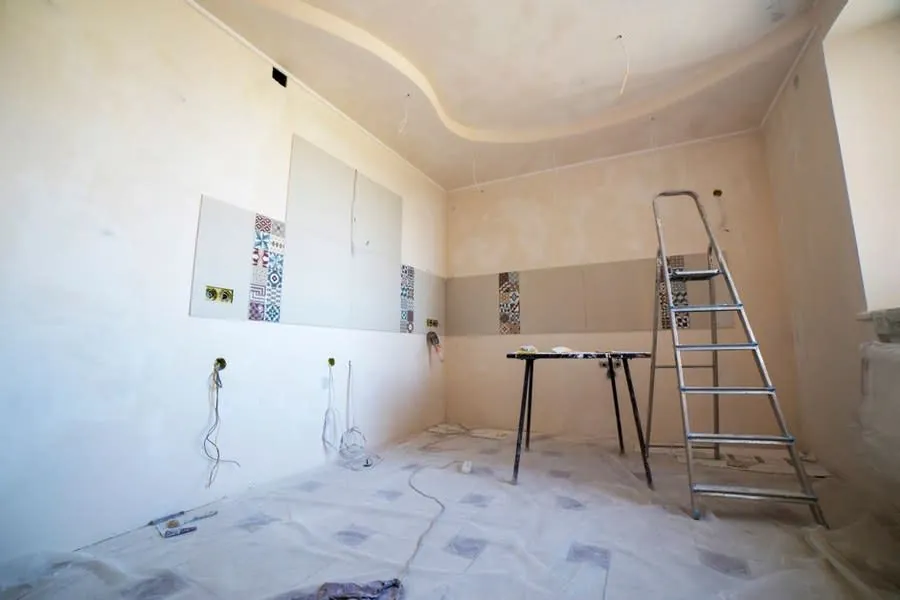
The instinct behind it is sound. Being at home while the work happens means you can answer questions, check the tile layout before it is fixed and spot a switch in the wrong place while it is still a pencil mark. But it concentrates demand. If your leave is fixed and non-negotiable, that is exactly the situation where four months’ notice pays for itself.
The alternative is to accept that you do not need to be there for all of it. The days that genuinely benefit from you being in the house are the first morning, the day the first fix is set out, and the day the tiling starts. The rest can be handled with a key, a phone and a fitter who sends photographs.
Lead Times On The Bathroom Itself, Not The Fitter
Half the delays we see have nothing to do with anyone’s diary. They are the suite, the tiles or the screen arriving late, and they bite hardest because they usually surface after the old bathroom has been ripped out.

Stock items from a national merchant are usually a few days. The things that run long are predictable once you know the pattern: made-to-measure shower screens and enclosures, imported porcelain in a specific batch, coloured or textured sanitaryware, fitted furniture in a non-standard width, and anything in a range that has just been discontinued. Four to eight weeks is common on those, and occasionally longer if a container is late.
Two habits fix most of this. First, choose the tiles before you set the date, not after - tiles are the single most common cause of a fit sliding by a fortnight. Second, ask your fitter to hold the start until the materials are physically on site. It feels like a delay. It is the opposite: it stops you living around a stripped-out room while a delivery driver in Warwickshire tries to find a pallet.
Surveys, Asbestos And The Checks That Add Weeks
Older Derby housing brings a few pre-start checks that can quietly add a fortnight if nobody thinks about them until day one. Textured coatings on ceilings in houses built or refurbished before the year 2000 can contain asbestos, and the Health and Safety Executive’s guidance on asbestos in buildings is clear that identification comes before disturbance, not after. Sampling and a lab result is a few days; licensed removal, if it is needed, is a separate contractor with their own diary.

Beyond that, the checks that tend to move a start date are: a lead or old iron supply pipe that needs replacing before anything else happens, a soil stack in a shared terrace wall where the neighbour has to be spoken to, and a boiler or cylinder that turns out to be on its last legs. In the terraced streets around Normanton and Peartree, shared drainage and party-wall soil pipes are common enough that they should be looked at during the quote visit rather than discovered on the Tuesday.
Notifiable work is the other one. Structural changes and some drainage alterations go through building control, and Derby City Council’s building control service is the route for anyone inside the city boundary. A straight swap of suite in the same place will not need it. Knocking through to steal space from a bedroom will.
What Actually Holds A Date In The Diary
A verbal “pencil you in for the 14th” holds nothing. What holds a date is a written scope, an agreed price, a signed acceptance and a materials order placed in your name. The order is the real anchor, because once a fitter has committed money to your job they have a reason to protect the slot.

Ask for the date in writing with the scope attached, and ask what happens on both sides if it moves. A fitter who will put a start date on paper and tell you what they do if they run over on the previous job is running a business. One who will not is keeping their options open at your expense. Our guide to what’s actually in a Derby bathroom quote goes through the paperwork side line by line, including the parts people only read afterwards.
It is also worth checking who you are actually booking. Membership bodies such as the Chartered Institute of Plumbing and Heating Engineering and the Federation of Master Builders both let you check a firm before you hand over a deposit, and both are quicker to search than they are to regret skipping.
Getting A Slot Sooner Without Cutting Corners
If you need something faster than the quoted lead time, there are three honest levers and one bad one.
The honest ones: be flexible on dates and ask to go on a cancellation list, because jobs do fall through and a fitter would rather fill the week than lose it. Split the work, so the tiling or the electrics happen on a separate visit if that is what unlocks a start. And reduce the scope - keeping the layout where it is can take days off the programme and often moves you from a two-week job to a one-week one, which is far easier to fit in.
The bad lever is hiring whoever is free. The fitter with an empty September in a city this size usually has one for a reason, and a bathroom done badly is not a bathroom you can quietly live with. Water finds every shortcut eventually.
Frequently Asked Questions
How far in advance should I book a bathroom fitter in Derby?
For a straightforward refit, six to ten weeks ahead is realistic most of the year. If you want a specific fortnight - school holidays, the week you have booked off, before family arrive at Christmas - make it three to four months. The fitters who get recommended tend to be the ones with the longest diaries, so the better the outfit, the earlier you need to ask.
Is it cheaper to have a bathroom fitted in winter in Derby?
Not usually cheaper on the quote, but easier to get the date you want. Bathroom work happens indoors, so January and February are perfectly good months for it, and they are the two when enquiries drop off. What you gain is choice of slot and a fitter who is not juggling three jobs at once.
What happens if my tiles or suite arrive late?
The fit stalls, and it stalls in the worst possible place - after the old bathroom has gone. That is why sensible fitters will not start until the bulk of the materials are physically in a garage or a van, not just ordered. Anything imported, made to order or in a discontinued colour is the usual culprit, and four to eight weeks is not unusual for those.
Can I be without a bathroom for the whole job?
Most Derby households manage because the toilet goes back in each evening on all but one or two days. The real gap is showering. If there is no second bathroom, plan for a fortnight of showers at a relative’s house, the gym or a neighbour’s, and agree with your fitter which days the water will be off entirely.
Thinking about dates? Get a free quote from Bathroom Fitters Derby and we will tell you honestly what the next realistic start is, and what would need to happen to bring it forward.