24 August 2026
What's Actually In A Derby Bathroom Quote (And What Isn't)
Two fitters walk round the same bathroom in a 1930s semi in Littleover. One comes back with £5,400, the other with £8,100. The homeowner assumes one of them is trying it on. Usually neither is - they have simply priced two different jobs, and the paperwork does not make that obvious. Bathroom refits in Derby currently land somewhere between roughly £4,500 for a straightforward swap and £12,000 or more for a full re-layout, and within that spread the biggest variable is not profit margin, it is scope. Around three quarters of the disputes trade bodies see on domestic projects come down to what people believed was included rather than what was actually written down. This is a guide to reading a quote properly, before you have to find that out the expensive way.
The Difference Between A Quote, An Estimate And A Number On A Text
These three words get used interchangeably and they do not mean the same thing. A quote is a fixed price for a defined scope of work. An estimate is a considered guess that can move. A figure sent in a message after a ten-minute look round is neither, and it is the single most common cause of the awkward conversation three weeks later.
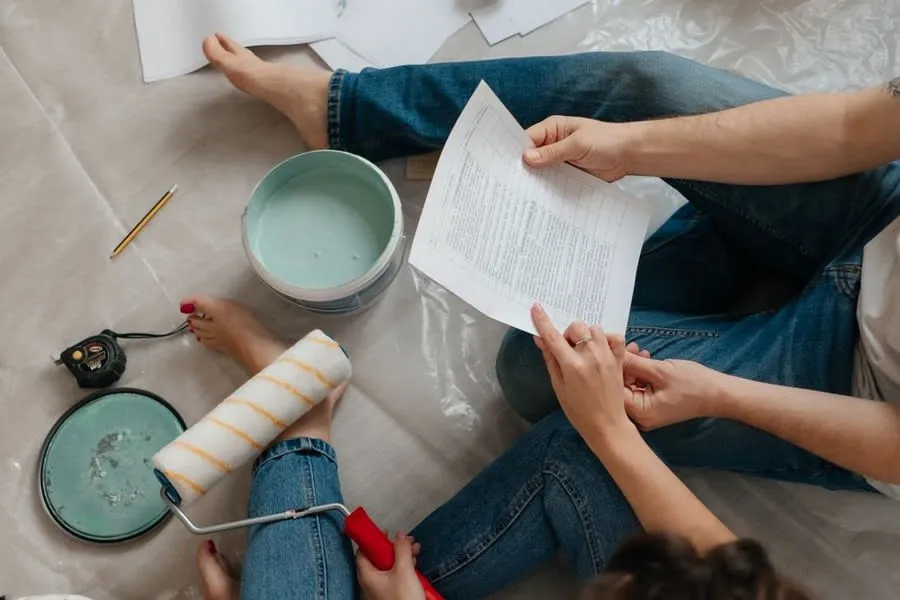
Get it in writing. What you want is a document that names the work, names the materials, states the price, states whether VAT is in or out, and gives a rough duration. If a document does not do those five things it cannot be compared with anything, because you do not know what it covers. Our own bathroom installation cost calculator will get you a ballpark before anyone visits, but a ballpark and a quote do different jobs and should not be confused.
There is a related point about who wrote it. A quote produced after a proper survey - taps run, floor tested, loft or airing cupboard looked at, stopcock found - is worth several times one produced from photographs. The survey is where the risks get spotted, and risks that get spotted early are cheaper than risks discovered on day three.
The Line Items A Proper Bathroom Quote Should Show
At minimum a Derby bathroom quote should break into strip-out and disposal, first-fix plumbing, any electrical work, floor and wall preparation, tiling or panelling, second-fix and fitting of the suite, sealing and making good, and decoration. You do not need a costed price against every one, but you do need to see them listed, because a line that is absent is work that is not priced.
The lines people most often find missing are boxing in, plastering, the extractor fan and the making good of the ceiling below. That last one matters more in Derby than you might think, given how many of the city’s terraces have a bathroom sitting directly over a kitchen or a back room. Pulling out an old cast bath and re-running waste through a hundred-year-old joisted floor almost always disturbs the ceiling underneath, and someone has to pay to put it right.
Ask specifically about the things that sit at the edges of the room. Does the price include the new light? The flooring outside the door where the old threshold was? The radiator valves? Small on their own. Several hundred pounds together.
What You Are Really Paying For In The Labour
Labour is the largest single element of most bathroom quotes and the one people scrutinise least, largely because it usually appears as one number. A full refit in Derby typically takes seven to twelve working days and involves at least three trades - a plumber, a tiler and an electrician - with a plasterer often in for a day and a joiner sometimes needed for the floor.
Day rates in the East Midlands run lower than the South East, but the number of days barely changes with geography. When one quote is dramatically cheaper on labour, the usual explanation is fewer days, and fewer days generally means something is being skipped - no tanking behind the shower, tiling straight onto old plaster, or a single person doing everything including the electrics.
That last one is worth pausing on. Bathroom electrics fall under Part P of the building regulations and notifiable work has to be certified. A quote that has no electrical line at all, in a room where a new fan, shaver socket and downlights are going in, is a quote that is planning to leave you without a certificate.
Materials, Allowances And The Word “Provisional”
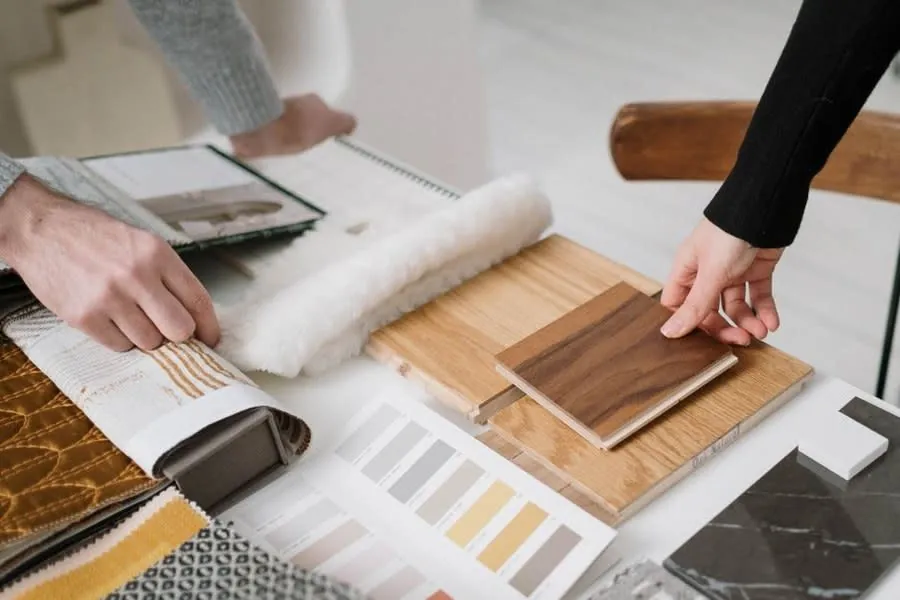
Most quotes handle materials one of two ways. Either the fitter supplies everything and gives you a price, or the quote carries an allowance - “£1,200 for sanitaryware”, “£35 per square metre for tiles” - which you then spend at a showroom. Allowances are sensible and honest, but they are a budget, not a purchase.
The gap between an allowance and what people actually choose is where a lot of budget overrun lives. Tile allowances in particular are set at a sane per-square-metre figure and then blown apart by a large-format porcelain that costs three times as much and takes longer to cut. That is fine if you know it is happening. It is less fine as a line on the final invoice.
Buying your own suite is a legitimate route and can save real money, but it changes who carries the risk if something arrives damaged or does not fit the space. We have written about that trade-off in more detail in our guide to supply-only or supply-and-fit in Derby. The short version: whoever supplies it owns the problem when it is wrong.
The Extras That Appear When The Old Bathroom Comes Out
No survey sees through a floor. There is a category of cost that is genuinely unknowable until day one, and the mark of a good quote is that it names those risks rather than pretending they do not exist.

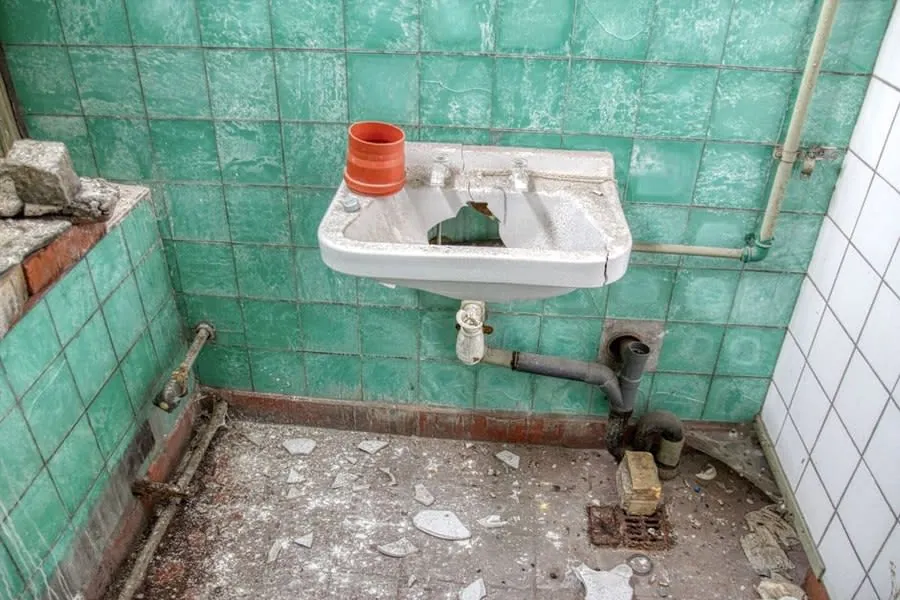
In older Derby housing the recurring ones are lead or steel-barrel pipework still in service, joists that were notched to death by whoever put the bathroom in during the 1970s, blown plaster behind the old tiles, and rotten floorboards under a bath that has been leaking quietly for years. In the newer estates around Chellaston and Oakwood the surprises are different and usually smaller - dot-and-dab walls that will not take a heavy wall-hung unit without extra support, or a boxed soil stack in an inconvenient place.
Textured ceilings deserve their own mention. Anything artex-style pre-dating the year 2000 may contain asbestos, and a fitter who intends to scrape it without testing is cutting a corner that is not theirs to cut. The honest approach is a line in the quote saying testing will be carried out and specialist removal priced separately if needed.
VAT, Deposits And When Money Changes Hands
VAT should never be a surprise. Most domestic bathroom work is standard-rated at 20 per cent, but there are real exceptions - certain adaptations for disabled or elderly occupants, and properties that have stood empty for two years or more, can attract a reduced or zero rate. The rules are set out plainly in the HMRC guidance on VAT for building work, and it is a fair question to put to any fitter quoting for an accessible bathroom.
On payment, the principle to hold onto is that money should follow work. A deposit covering ordered materials is normal. A staged schedule - deposit, a payment after first fix, a payment after tiling, a balance on completion - protects both sides and keeps everyone motivated. What is not normal is a large up-front payment with no materials attached to it.
It is also worth checking what protection sits behind the payments. Membership of a scheme such as TrustMark, insurance-backed warranties and public liability cover are all things you can ask to see documentation for, and a straight answer to that question tells you something in itself.
Waste, Access And The Bits Nobody Thinks To Price
A bathroom strip-out produces more waste than people expect. An old cast iron bath, a suite, several square metres of tile and the plaster behind it will comfortably fill a small skip, and skips have to go somewhere.
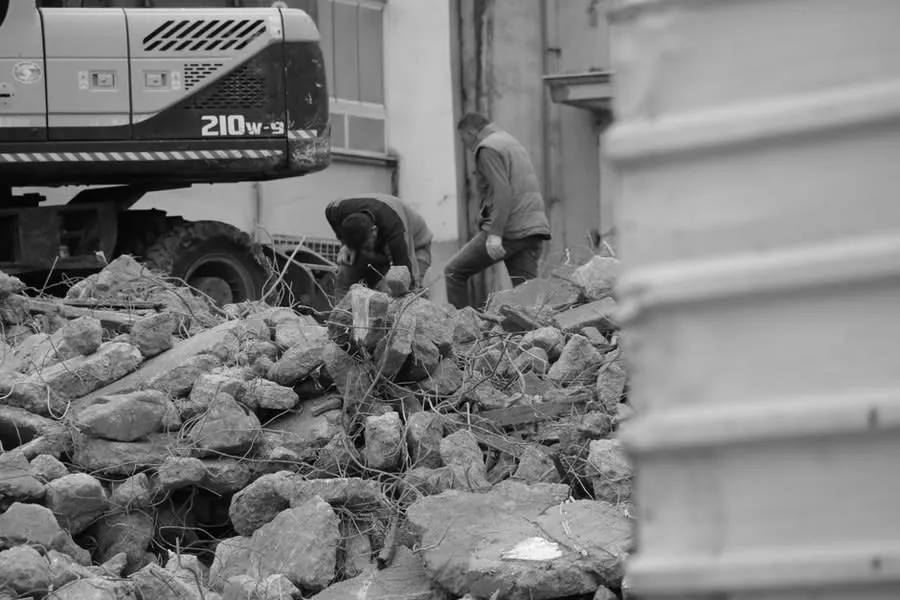
If there is no driveway - and across Normanton, Pear Tree, Chester Green and much of the older terraced grid there often is not - the skip goes on the road, which needs a permit from the council. In Derby those are arranged through the skip company rather than by you directly, and the details sit on the Derby City Council skip permits page. Either way it is a real cost of forty to eighty pounds on top of the skip hire, and it belongs on the quote.
Parking is the other quiet one. A team working in a residents’ zone near the city centre needs somewhere to leave a van for a fortnight. Some firms absorb it, some pass it on, and the ones who pass it on without saying so are the ones you hear about afterwards.
Comparing Three Quotes Without Just Picking The Cheapest
Line the quotes up in a column each and go through them by section rather than by total. Where one is silent on something another has priced, ask the silent one directly what they intended. Half the time the answer is “that’s included, I just didn’t list it”, which is fine and worth having in writing. The other half of the time you have found the gap.

Then look at what the quote implies about how the firm works. Does it give a start date and a duration? Does it say who will actually be on site? Does it explain how variations will be agreed and priced if something is found behind the wall? A quote is the first piece of written communication you get from a business, and it is a decent sample of how the rest will go.
The cheapest quote is sometimes the right one. It just should not be cheapest because it forgot the plastering, the fan, the skip and the ceiling below.
Frequently Asked Questions
Why do bathroom quotes in Derby vary so much for the same job?
Nearly always because they cover different work. One quote assumes the existing pipework and floor stay as they are, another has priced re-running the hot and cold feeds, boarding the floor and re-plastering. Neither is wrong - they are pricing different jobs. It is only when you line the two up item by item that you can see which one is missing the work you will end up paying for anyway.
Should a bathroom quote include VAT?
If the fitter is VAT registered, yes, and it should say so clearly. A quote that shows £6,000 with VAT still to be added is a £7,200 job. Most bathroom work is charged at the standard 20 per cent rate, though certain adaptations for disabled or older occupants and homes empty for two years or more can qualify for a reduced or zero rate. Ask which applies before you sign.
How much deposit should I pay a bathroom fitter in Derby?
Enough to cover the materials being ordered in your name and no more. On a typical £7,000 Derby bathroom that usually means somewhere between 20 and 30 per cent, with the balance released in stages against work completed. Anything approaching half the value up front, before anyone has set foot in the house, is worth questioning.
What is a provisional sum on a bathroom quote?
It is a placeholder for work or materials that cannot be priced accurately yet - a tile allowance before you have chosen tiles, or a figure for repairing a floor nobody has lifted. Provisional sums are honest, but they are not fixed prices. Ask what each one assumes and what happens to the figure if reality turns out to be worse than the assumption.
Want a quote you can actually read? Get a free quote from Bathroom Fitters Derby and we will set it out line by line, including the parts most people find out about later.