20 July 2026
Upgrading a Builder-Spec Bathroom in a Derby New-Build Home
Derby has seen a wave of new housing over the last decade, from the estates around Mickleover and Hackwood Farm to Chellaston, Boulton Moor and the developments off Sinfin Moor. Buy one of these homes and the bathroom is perfectly clean and perfectly forgettable: a basic white suite, some half-height tiling and a simple shower, all built to the developer’s budget rather than your taste. It works, but it rarely feels like yours. Upgrading a builder-spec bathroom is one of the most common jobs we take on for new-build owners across Derby, and done at the right time it transforms the room without any drama. Here is what these bathrooms lack, what to watch for, and how to upgrade one properly.
Why Upgrade a New-Build Bathroom in Derby?
New-build bathrooms are built to a price, and it shows. Developers fit a standard package across a whole estate, chosen for cost and speed rather than character, so the bathroom in a Mickleover new-build looks much like the one two streets away. It is functional and neutral, which is fine for moving in, but most owners want something that feels considered rather than off-the-shelf.
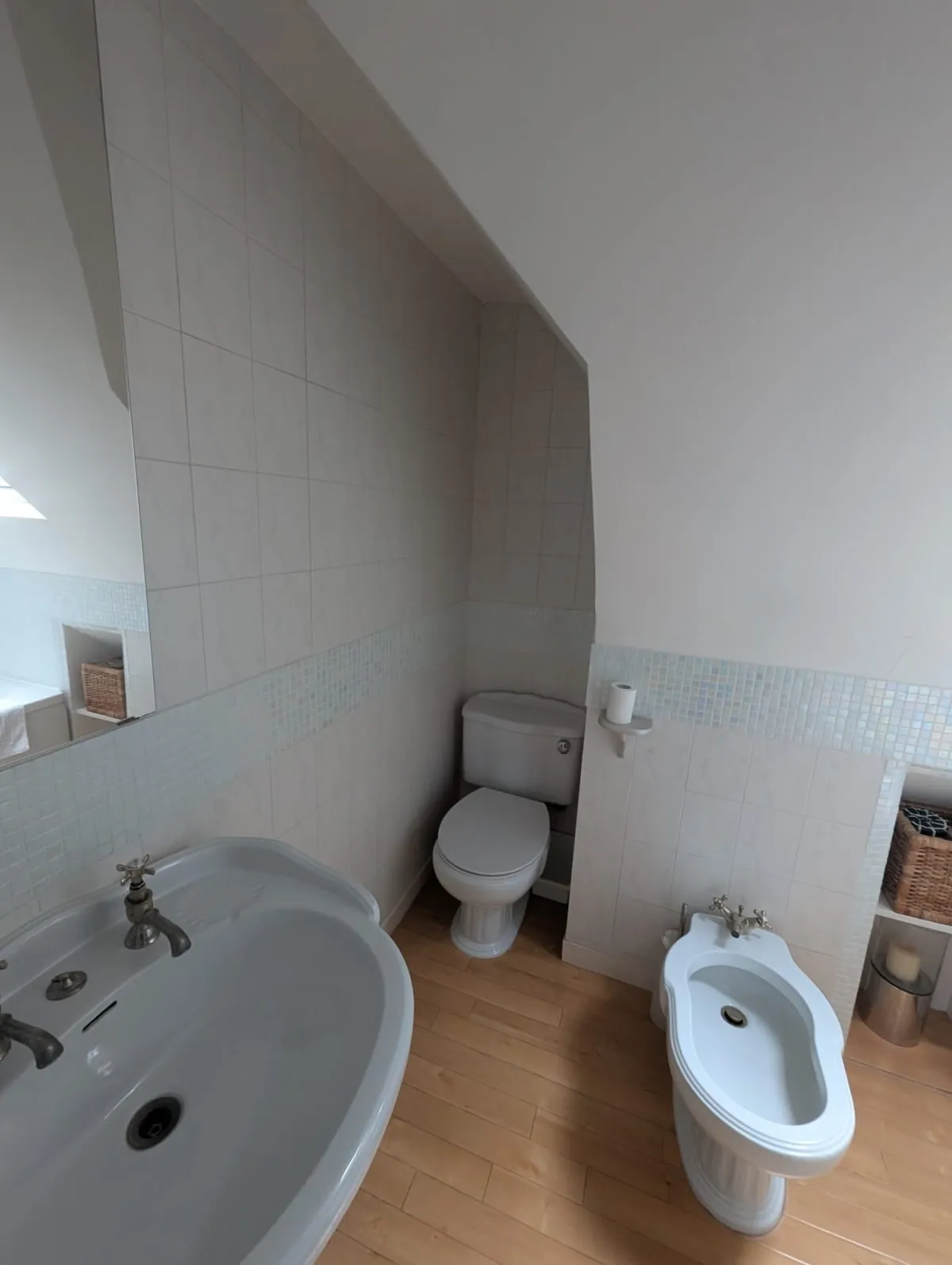
The good news is that a new-build bathroom is an easy starting point. The plumbing is modern and correctly placed, the room is dry and sound, and there is no old suite to fight with, so an upgrade is often more about finishes and fittings than major work. Our bathroom remodel service handles exactly this kind of upgrade, lifting a plain room without disturbing what already works.
What Builder-Spec Bathrooms Lack
The gaps in a standard new-build bathroom are predictable. Tiling is usually half-height or limited to the wet areas, leaving a lot of painted wall that marks easily. Storage is often an afterthought, with a pedestal basin and nowhere to put anything. The shower is typically a basic model, and the fittings and lighting are the cheapest that met the spec.
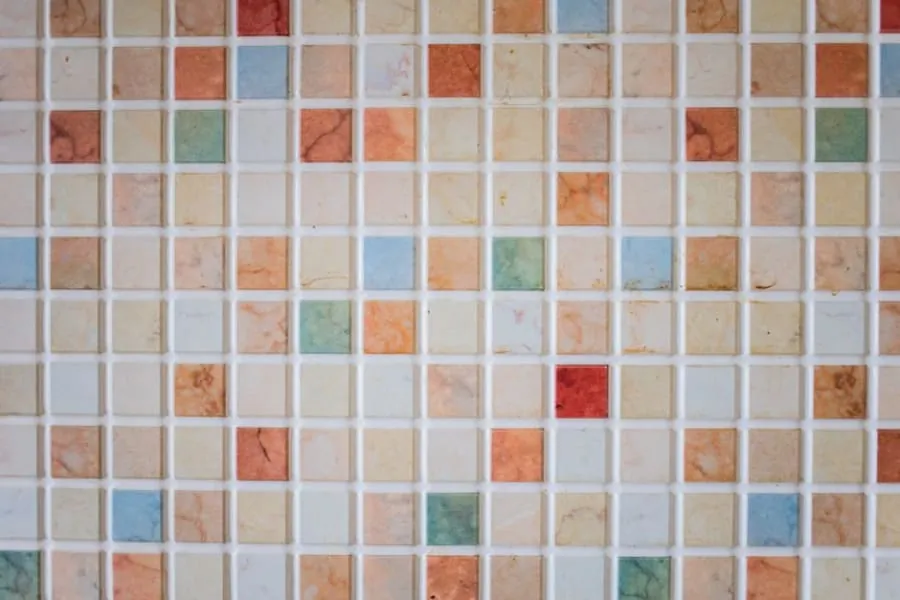
None of this is a fault as such; it is the developer building to a budget. But it means there is a lot of easy improvement available. Full-height tiling, a vanity unit, a better shower and some proper lighting are the changes that make the biggest difference, and none of them need the plumbing moved. If you are choosing finishes, our guide to choosing bathroom tiles for your Derby home is a good place to start.
Common New-Build Bathroom Issues
Alongside the basic spec, new-build bathrooms often come with small defects from a fast fit-out. Patchy or uneven silicone around the bath and shower, grout lines that are not quite straight, a weak extractor fan, and a low-flow shower are the ones we see most often on Derby estates. These are snags rather than disasters, but they are worth spotting early.
The key point is that anything defective in the first couple of years is the developer’s responsibility to fix, not yours. Poor sealant or a fan that does not clear the steam is a snag to report, and getting it put right under warranty is far better than paying to fix it or living with it. It is only the cosmetic upgrades, the tiling and fittings you simply do not like, that fall to you.
Warranty and Altering a New Build
Most new homes come with a ten-year structural warranty, commonly from the NHBC, and the developer covers defects during the initial period. Changing your bathroom fittings does not affect the structural warranty, because that covers the building, not the suite you chose to swap, but the timing matters. The NHBC homeowner guidance explains how the cover works.
The sensible approach is to let the developer clear any snags first, then upgrade when you are ready. When you do, use a proper fitter so the waterproofing, drainage and any electrical work are done correctly and to building regulations, and keep records of the work. That protects you if you ever sell and a buyer asks who did what.
Popular Upgrades That Pay Off
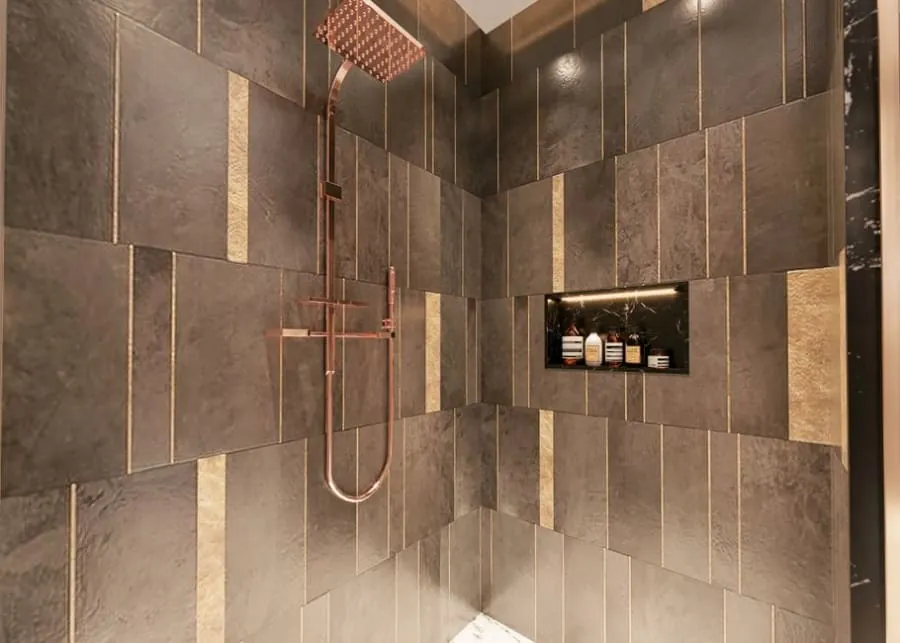
The changes that transform a new-build bathroom are mostly about finish rather than layout. Full-height tiling in a quality porcelain instantly makes the room look more expensive and is far easier to keep clean than painted wall. Swapping the basic shower for a proper walk-in enclosure, or a better thermostatic shower over the bath, upgrades the part you use every day.
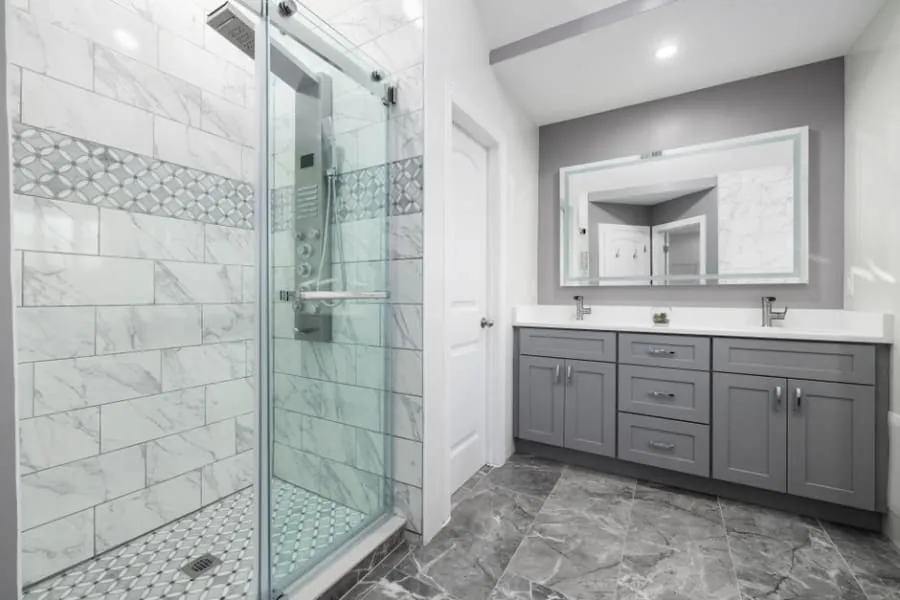
Storage is the other big win. Replacing a pedestal basin with a vanity unit hides the pipework and gives you somewhere to keep things, and a mirrored cabinet adds more. Better lighting, a heated towel rail and quality taps finish the job, and Which? bathroom reviews are a useful sense-check on which fittings are worth the money. Because the plumbing stays put, these upgrades are quicker and less disruptive than a full renovation, which keeps the cost sensible.
Doing It Right Without Storing Up Problems
The main pitfall with a new-build upgrade is rushing in and either disturbing something that was fine or covering up a snag that the developer should have fixed. Take the first year or two to let the warranty period do its job and to learn how the room works, then upgrade with a clear head.
When you do upgrade, keep it neutral enough for resale if you might move on, and make sure the waterproofing behind any new tiling is done properly rather than tiled straight over the builder’s finish. A good fitter will check what is behind the surface before covering it. Get that right and a plain new-build bathroom becomes a room that feels like your home rather than the developer’s showroom.
Frequently Asked Questions
Why do new-build bathrooms feel so basic?
Developers build to a price, so the standard bathroom in a new home is value-engineered: a basic white suite, half-height or small-format tiling, a simple shower and minimal storage. It is functional and clean but rarely inspiring, which is why so many owners on Derby’s new estates upgrade the bathroom within a few years of moving in.
Will upgrading my new-build bathroom affect the NHBC warranty?
Your structural warranty covers the building, not fittings you choose to change, so a straightforward bathroom upgrade does not usually affect it. The important thing is timing: in the first couple of years the developer is responsible for putting right defects and snags, so report those to them rather than fixing them yourself. Keep records of any work you have done and use a proper fitter so waterproofing and drainage are done correctly.
What are the best upgrades for a new-build bathroom?
The upgrades that make the biggest difference are full-height quality tiling instead of half-height basic tiles, a proper walk-in shower or a better shower over the bath, added storage such as a vanity unit, and improved fittings and lighting. These lift a plain builder bathroom into something that feels considered, without needing to move any plumbing.
Should I wait before upgrading a new-build bathroom in Derby?
It is usually worth living with it through the first snagging period so the developer fixes anything defective under warranty, and so you learn how the room actually works day to day. After that, upgrading when you are ready is fine. There is no need to rush in the first few months unless something is genuinely wrong, in which case it is a snag for the builder to sort.
Bought a new-build in Derby and want a bathroom that feels like yours? Get a free quote from Bathroom Fitters Derby and we will upgrade the room properly, without disturbing what already works.