
2 September 2026
Snagging A Derby Bathroom: What To Check Before The Final Payment
The riskiest hour of any bathroom fit is the last one. The room looks finished, everyone is tired of it, the fitter wants the van loaded before the school run traffic builds on the A52, and you want your house back. That is exactly the point at which people hand over the balance with a nod and a cup of tea, and then spend the next four years noticing things. We have been called back to Derby bathrooms fitted by other firms where a two minute fix on handover day turned into a £900 repair eighteen months later, purely because nobody looked properly while the fitter was still standing in the room. Snagging is not being difficult. It is the last piece of the job, and a good fitter expects it. Here is how to do it in a way that catches the faults that matter and skips the ones that do not.
Why The Final Hour Decides How The Room Ages
Bathrooms fail at their edges. Not in the middle of a tiled wall or the centre of a floor, but at joints, junctions and seals - where the bath meets the tiles, where the tray meets the wall, where the waste meets the trap. Every one of those points is finished in the last day of the job, often in the last couple of hours, and every one of them is invisible once it has been wiped down and the light is off. That is the honest reason the final walk-round matters more than any other inspection you will do.

There is a second reason, which is that faults are cheap to fix while the tools are in the house and expensive afterwards. Re-cutting a bead of silicone costs a fitter twenty minutes on the day. The same fault found next spring means water has been tracking down the back of the bath panel for months, and now the fix involves a floor. Our own installation process builds in a handover walk-round for exactly that reason, and if you are still comparing firms, the way a fitter talks about snagging tells you a great deal about how they work.
Do The Walk-Round Wet, Not Dry
Most snagging lists are written in a dry bathroom, which is like inspecting a roof in July. Run the room properly before you sign anything off. Put the shower on and leave it running for a solid ten minutes with the door closed, then look at the outside of the enclosure, the floor at the threshold, and the ceiling of the room below. Fill the bath to the overflow and let it drain in one go, because a slow or gurgling drain that copes with a shower can still struggle with eighty litres arriving at once.
While the bath is full, stand in it. A steel or acrylic bath that has been bedded correctly will not move, creak or flex underfoot with water in it. If it does, the cradle or the sand and cement bed is wrong, and that will eventually crack the seal along the tiles no matter how neatly it was finished. Then drain it and watch the seal line as the weight comes off. Movement there is the single most common cause of the black mould line people blame on the sealant three years later.
Silicone, Sealant And The Joints That Fail First
Look along every silicone joint at eye level and then from underneath. You are looking for a bead that is continuous, one width the whole way, and pressed into the joint rather than smeared across the face of the tile. Gaps at the corners, thin patches where the gun ran out, and a bead that bridges a wide gap without anything behind it are all short-lived. On a wide gap, the bead should be supported, not stretched across fresh air.
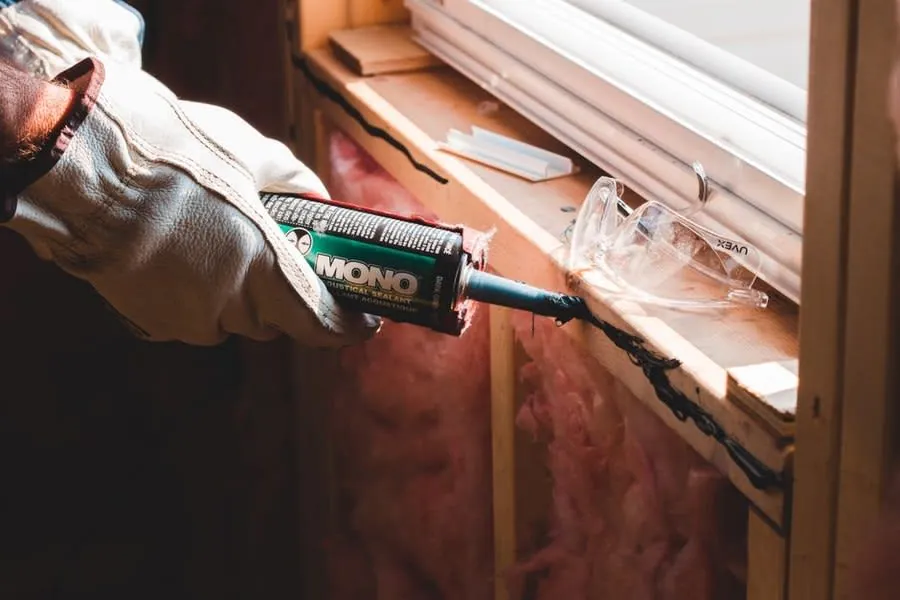
Ask when the silicone went on. Most sanitary sealants want around 24 hours before the joint gets soaked, so if the last bead was run at four o’clock, do not have a bath at seven. It also means the wet tests above sometimes need splitting across two visits, which is a perfectly normal thing to arrange rather than a reason to skip them.
One more thing worth knowing in this city: Derby’s water is hard, and hard water leaves a film on everything it dries on. A cloudy haze on new glass a week after the fit is limescale, not a fault. A milky smear on the tiles that will not come off is grout residue that should have been washed down properly, and that is a fault, though a mild one.
Tiling Faults You Will Still Be Looking At In Ten Years
Tiling is where snagging gets emotional, so it helps to know what the trade actually considers acceptable. British tiling standards allow a small tolerance on flatness - roughly 3mm of deviation under a 2m straightedge on a wall - rather than perfection, and no tiler on earth delivers a laser-flat surface on a wall that was not flat to begin with. What you are looking for is not perfection but consistency.
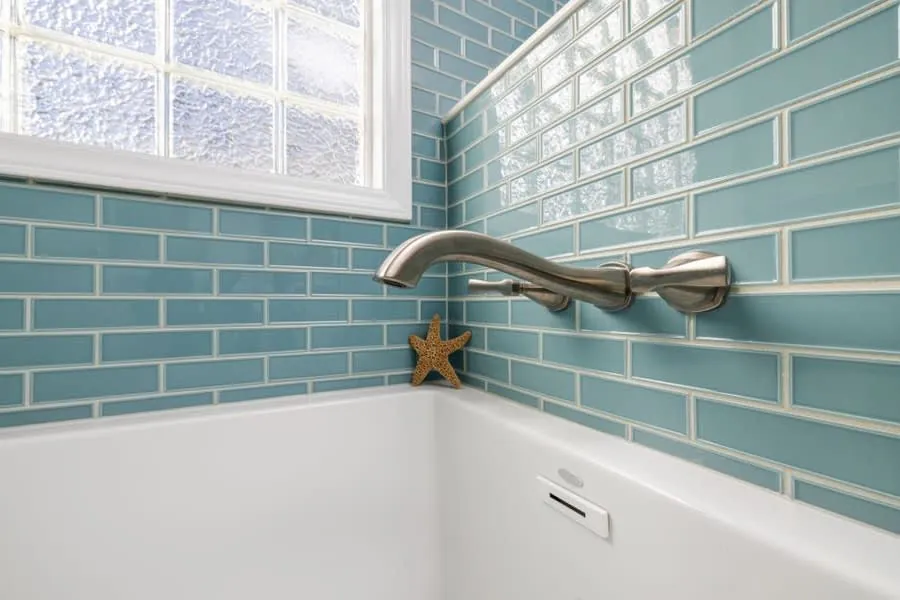
Stand at the door and look along each wall with the light raking across it. Lipping, where one tile edge sits proud of its neighbour, catches shadow and shows immediately. Then check the details: cuts around the shower valve and the toilet should be neat and symmetrical, the row above the bath should not taper visibly along its length, and the tiles should not finish with a sliver cut in the most visible corner. Grout should be a consistent colour and depth, and pressed home rather than sitting hollow.
Two faults are worth being firm about because they are structural rather than cosmetic. Hollow-sounding tiles, which you find by tapping across the wall with a knuckle, mean poor adhesive coverage and will eventually crack or come away. And any tile that stops short of the shower tray with a gap filled by grout rather than sealant is going to leak, because grout is not waterproof and the joint between two different materials always moves.
The Tests Nobody Thinks To Run
Run the extractor fan and hold a sheet of toilet paper to the grille. It should hold flat against it. Building regulations expect an intermittent bathroom fan to shift around 15 litres of air per second, and a fan connected to a long, kinked flexible duct in a loft often manages a fraction of that. In a Derby semi with the fan ducted through the roof space, this is the single most common quiet failure we see, and it is what causes mould on a brand new ceiling by the second winter.
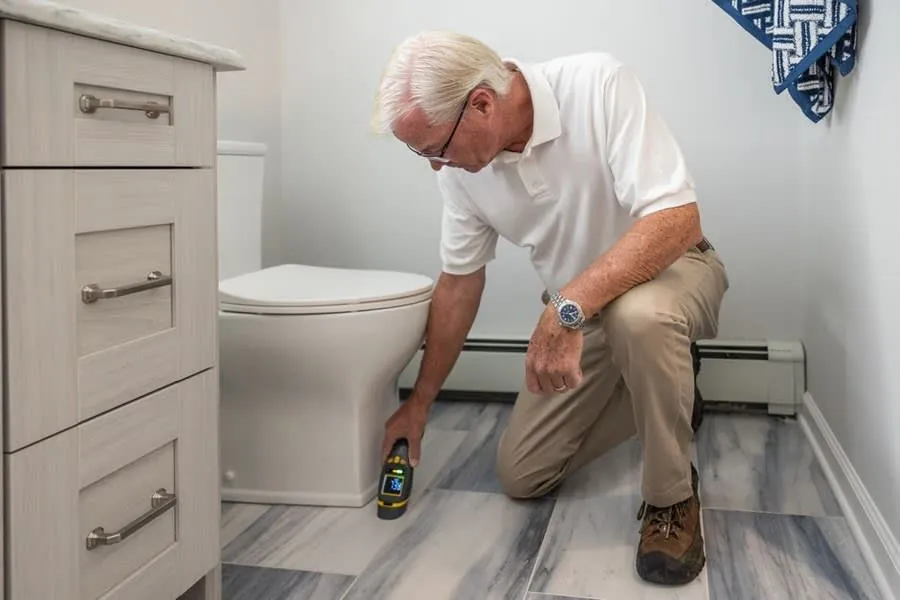
Then work through the boring list. Turn every isolation valve to check it actually isolates. Open and close the shower door twenty times, because a door that drops shows up quickly. Check the toilet fills and stops cleanly without a hiss, and that the flush plate is not scraping the wall. Sit on the toilet seat and shift your weight - loose pan fixings feel obvious. Open every drawer and cupboard door to the wall to see whether the handles hit the tiling, and look underneath the vanity unit with a torch for damp joints and untidy waste connections.
Finally, run the basin tap hard for a couple of minutes and put your hand on the trap underneath. A dry hand there is one of the most reassuring signs in the room.
The Paperwork That Should Change Hands With The Money
A finished bathroom is not just tiles and a suite, it is a small pile of documents that you will want in three years when something needs a warranty claim or a buyer’s solicitor asks.

Collect the electrical certificate for any new or altered circuit, along with the Building Regulations compliance notice if the work was notifiable, since that is what tells Derby City Council the job was done to standard. Get the manufacturer guarantee registrations or at least the model and serial numbers for the shower valve, the pump if you have one, and the suite. Ask for the written workmanship guarantee with a length and a scope on it, not a verbal promise. And ask for the photographs of the walls and floor taken before tiling - any fitter who tanks a wall properly takes them, and they are worth having.
Under the Consumer Rights Act 2015, work must be carried out with reasonable care and skill, which sits behind whatever guarantee you are given. Checking that a firm is registered with a scheme such as TrustMark before you start is worth more than any clause, because a scheme gives you somewhere to go if the conversation breaks down.
If A Snag Does Not Get Fixed
Most snags are fixed cheerfully within a week, because they are small and no fitter wants a bad review over a bead of silicone. When one is not, keep it calm and keep it in writing. Send a single email listing each item with a photograph, ask for a date, and avoid drip-feeding new complaints every few days, which is the fastest way to lose a fitter’s goodwill.

Agree the retention before the job rather than inventing one at the end. Five per cent held back until sign-off is common, understood, and far less inflammatory than announcing on the last day that you are keeping £800. The other half of this is paying fairly at the start, and we went through the deposit and staged payment side of it in our guide to what is actually in a Derby bathroom quote. If it does go badly wrong and the conversation stalls entirely, Citizens Advice can point you at the right route, and in England you have six years from the breach to bring a contract claim, so there is rarely a need to rush into a fight.
The far more likely outcome, though, is that you spend twenty minutes with a torch, find two small things, and they are sorted before the kettle boils. That is what a snag list is for.
Frequently Asked Questions
How long should I take to check a new bathroom before paying the balance?
Give yourself a full evening with the room in use rather than a five minute look while the fitter packs the van. Run the shower for ten minutes, fill and drain the bath, use the toilet a few times, and come back the next morning when the surfaces are dry and the light is different. Most of what people miss on handover day is only visible either soaking wet or fully dry, and a day’s delay is a normal, reasonable thing to ask for.
Can I hold back money if there is a snag on my new bathroom?
You can withhold a proportionate amount for work that is genuinely unfinished or defective, but the sensible route is to agree a small retention in writing before the job starts - commonly five per cent, released once the snag list is signed off. Withholding the entire balance over a smear of silicone tends to end a good working relationship badly. Put the list in an email, give a fair timescale for the return visit, and pay the rest on completion.
Who is responsible if a tile cracks six months after the bathroom is finished?
It depends what caused it. A tile that cracks because the substrate flexed, the adhesive was wrong for the board, or a movement joint was left out is workmanship and should be put right under your fitter’s guarantee. A tile cracked by a dropped shampoo bottle is not. This is why photographs of the walls before tiling matter: they usually settle the argument in seconds.
What certificates should I be given for a new bathroom in Derby?
If any new electrical circuit, shower or extractor wiring was installed, you should receive an Electrical Installation Certificate or a Minor Electrical Installation Works Certificate, and where the work was notifiable your electrician’s scheme will issue a Building Regulations compliance notice that reaches Derby City Council. You should also get the manufacturer guarantee paperwork or serial numbers for the suite, shower valve and any pump, plus your fitter’s own written workmanship guarantee.
Planning a bathroom and want a fitter who books the handover walk-round in rather than hoping you will not ask for one? Get a free quote in Derby.