20 July 2026
Moving or Relocating a Bathroom in Derby: Costs and What's Involved
Sometimes a bathroom is in the wrong place. It might be a decent room stuck in a poky spot while a large bedroom sits next door, or a downstairs bathroom that would serve the house far better upstairs. Moving it is a bigger job than a straight refit, but for a lot of Derby homes it unlocks a layout that finally makes sense. The catch is that the cost swings wildly depending on one thing above all: how far the new bathroom sits from the existing drainage. Roughly a third of the layout-change jobs we quote in Derby involve moving the bathroom rather than just refitting it, and the ones that go smoothly are the ones where the drainage is worked out before anything else. Here is what is actually involved and what it costs.
Why Move a Bathroom in Derby?
The usual reason is space. Swapping a cramped bathroom for a larger adjoining bedroom gives you room for a separate bath and shower, a double vanity, or simply somewhere you are not knocking your elbows. In a lot of Derby’s Victorian terraces the original bathroom was added to the back of the house as an afterthought, and moving it opens up better options for the whole floor.
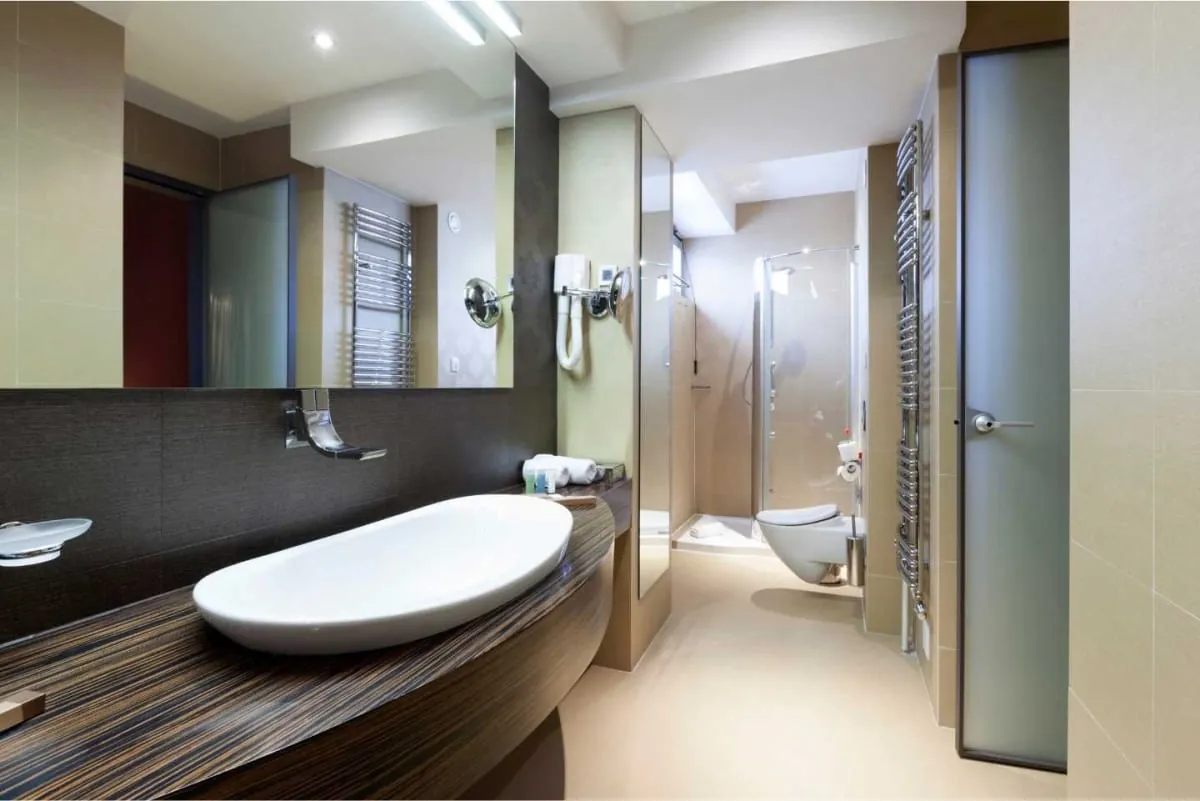
Other people move a bathroom to create an en-suite, to bring a downstairs bathroom up to the bedrooms, or to free up a ground-floor room for a kitchen-diner. Whatever the reason, moving the bathroom is rarely a job on its own, so it usually makes sense alongside wider changes. Our bathroom relocation service handles exactly this kind of work, planning the move around the drainage rather than the other way round.
Where People Move Bathrooms To
The most common move in a Derby home is sideways into a neighbouring bedroom, keeping the new bathroom on the same floor and reasonably close to the existing waste. Bringing a downstairs bathroom upstairs is popular in older terraces where the original bathroom sits in a cold rear addition, and it frees valuable ground-floor space.
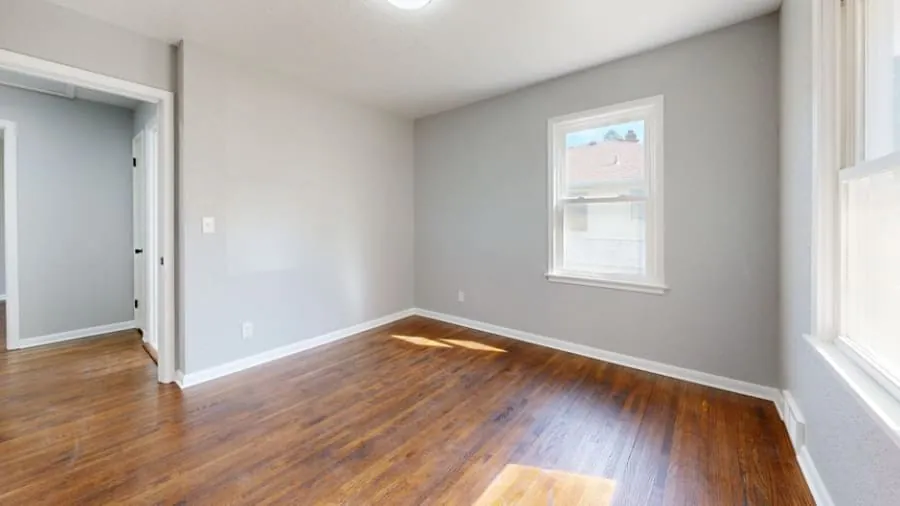
The direction of the move matters more than the distance in feet. Staying near the soil stack keeps things simple, while crossing the house to the far side is where the plumbing gets involved. It is worth thinking about the room you are freeing up too, because a bathroom moved out of a good bedroom only pays off if the old space becomes something useful.
Drainage and the Soil Stack
This is the part that decides the budget. Every toilet needs to connect to a soil stack, and waste from the basin, bath and shower needs a run with enough fall to drain properly. On most Derby terraces the soil stack is on the rear elevation, so a bathroom that stays near the back of the house connects easily.
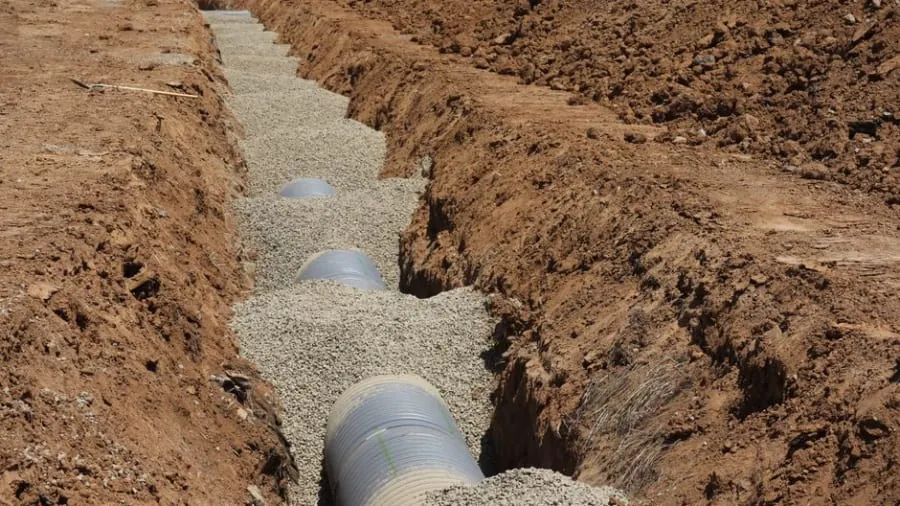
Move the toilet away from the stack and you have two options. The first is a new gravity waste run with the correct gradient, which needs the space under the floor to achieve the fall. The second is a macerator with a pumped small-bore pipe, which buys freedom where gravity will not reach. All of this falls under the drainage rules in Approved Document H on drainage and waste disposal, and getting the falls right is what stops a relocated bathroom draining slowly or smelling. A registered plumber, ideally one listed on WaterSafe, should handle this part.
Moving Water, Waste and Electrics
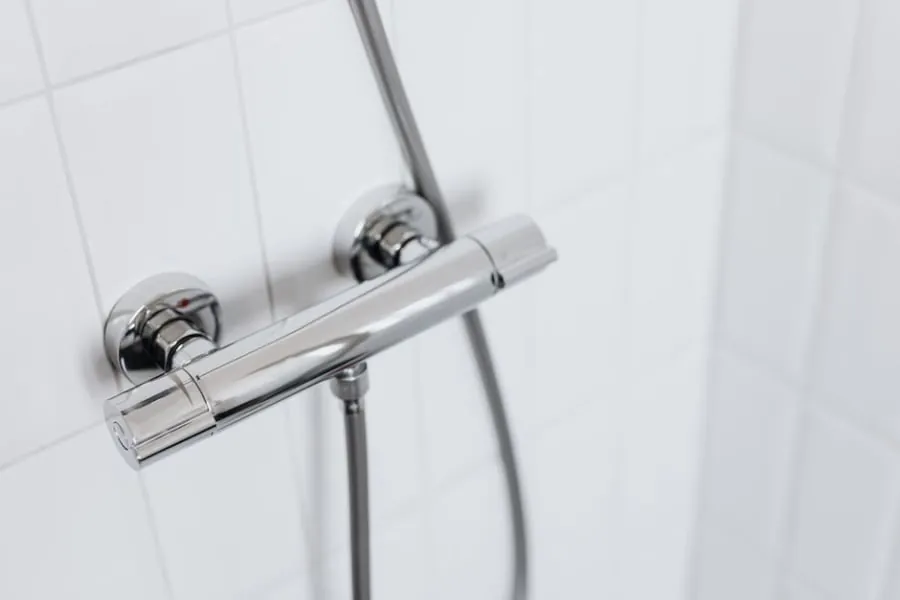
Beyond the drainage, a relocation means running new hot and cold supplies to the new position, a new waste, and the electrics for lighting, an extractor and any shower pump or electric shower. None of this is exotic, but it all has to be routed through floors and walls and then made good afterwards, which is where the labour adds up.
The electrical work is notifiable and needs a Part P registered electrician, and the ventilation has to meet the minimum extract rate for a bathroom. If you are relocating into a room that never had plumbing, everything is new, so it is closer to a first-fit than a swap. We covered the wider rules in our guide to bathroom building regulations and planning permission in Derby, which is worth reading before you commit to a new position.
Floors, Joists and Making Good
Moving a bathroom nearly always means lifting floors to run pipes and waste, and that brings the floor structure into play. Pipes crossing joists have to be notched or drilled within safe limits so the floor is not weakened, and a new bathroom floor may need extra support for the weight of a bath or a tiled floor, especially in older terraces where the joists are lighter.
There is also the ceiling below to think about. Running new services often means opening up the ceiling of the room beneath, then replastering and redecorating once the pipework is in. This making-good is easy to underestimate, and it is one reason a relocation costs more than the plumbing alone suggests. A good quote spells out the making-good so it is not a surprise at the end.
How Much Does It Cost to Move a Bathroom in Derby?
Putting a single figure on it is hard because the drainage drives everything, but as a working range, moving a bathroom in Derby tends to add £3,000 to £8,000 on top of the fit-out, and more for a full relocation into a room with no existing plumbing. A short move that stays near the soil stack sits at the lower end. A cross-house move with new drainage, a pumped waste and significant making-good sits at the top.
Because the variables are so specific to your house, a proper site visit is the only way to get a real number, and it is also worth checking your plans against the national guidance on the Planning Portal’s common home projects pages. We survey the drainage route and floor structure first, then give a fixed written quote, so the biggest cost driver is nailed down before you decide whether the move is worth it.
Frequently Asked Questions
How much does it cost to move a bathroom in Derby?
As a rough guide, moving a bathroom in Derby usually costs between £3,000 and £8,000 on top of the fit-out, and more for a full relocation into a new room. The single biggest factor is how far the new position is from the existing soil stack, because that decides how much new drainage is needed. Lifting floors, making good ceilings below and any structural work all add to the figure.
Do I need planning permission to move a bathroom in Derby?
Moving a bathroom within your existing home is permitted development, so it does not usually need planning permission. Building regulations do apply to the new drainage, ventilation and electrics, and that work has to be signed off. You would only need planning permission if relocating the bathroom involved extending the property or if the house is listed.
Can I move a bathroom away from the soil pipe?
Yes, but it affects the cost and method. If the new position is close to the soil stack, waste can run by gravity with the right fall. If it is a long way off, you either run a new waste with a suitable gradient or fit a macerator with a small-bore pump. On Derby terraces the stack is usually on the rear wall, so moving a bathroom to the front of the house is where a pumped solution often comes in.
How long does it take to move a bathroom?
A relocation typically takes longer than a like-for-like refit because of the extra plumbing, drainage and making good. Most bathroom moves in a Derby home run to between one and three weeks depending on the distance moved, whether floors and ceilings need opening up, and how much structural or electrical work is involved.
Considering moving your bathroom to a better spot? Get a free quote from Bathroom Fitters Derby and we will survey the drainage and floors first, then give you a fixed price.