14 August 2026
Choosing a Toilet for Your Derby Bathroom: Close-Coupled, Wall-Hung and Back-to-Wall
The toilet is the fitting people put the least thought into and then live with every day. It is easy to just replace like for like, but the choice has come a long way from the standard cistern-on-the-pan, and the right type can make a small Derby bathroom feel bigger, easier to clean, and more modern. There are three main styles - close-coupled, wall-hung and back-to-wall - and they differ in looks, price, how they are fitted and how easy they are to keep clean, which matters more than you might think in Derby’s hard water. This guide runs through each one, plus flushing and water efficiency, so you can pick the toilet that suits your room.
Choosing a Toilet for Your Derby Bathroom
Before the style, think about the room and how it is used. A busy family bathroom, a compact terrace WC and a smart new en-suite all suit different toilets, and the decision affects the look, the cleaning and the cost. The three main types cover almost every situation, and often the right answer is dictated as much by the space and the plumbing as by taste.
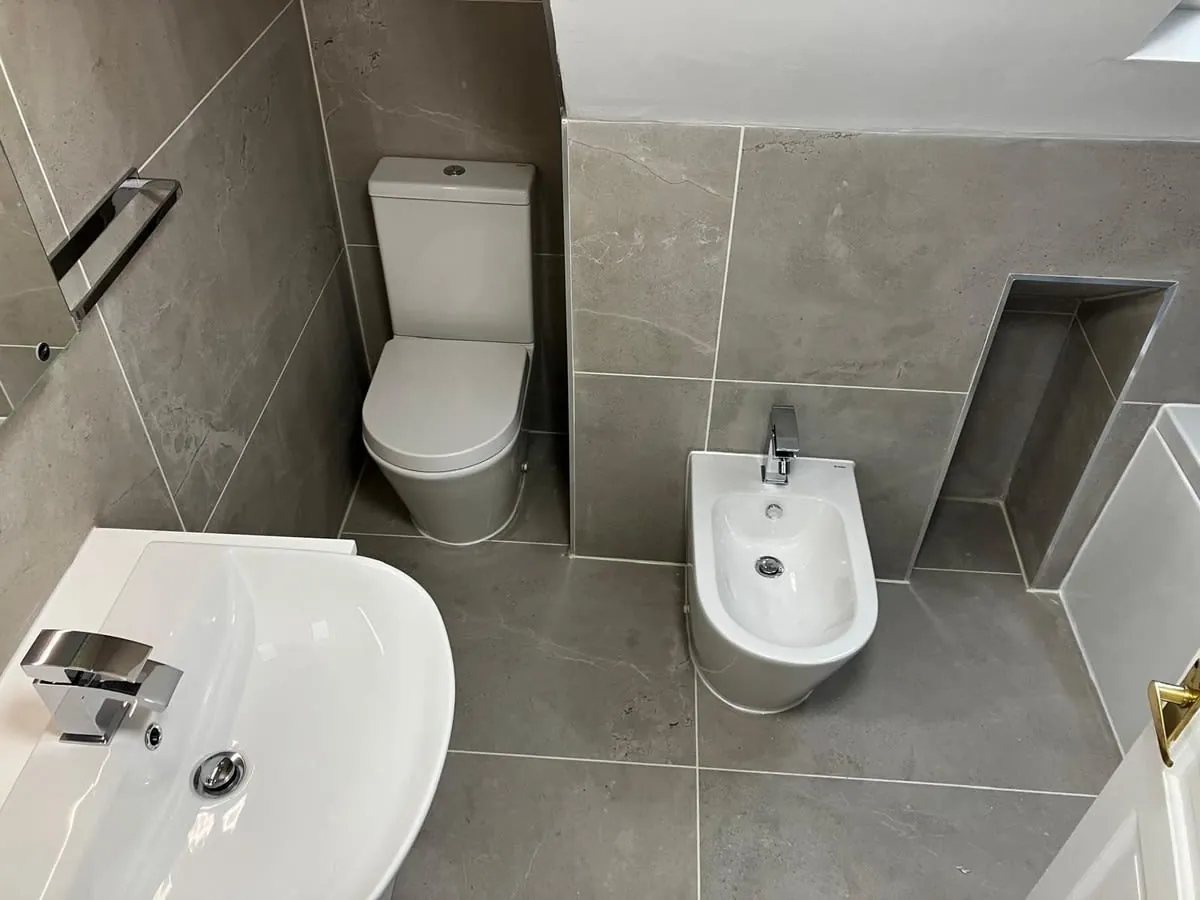
Cleaning is worth keeping in mind from the start, because Derby’s hard water leaves limescale and a toilet with lots of nooks is harder to keep spotless. Rimless pans and designs that leave the floor clear make a real difference over the years. When we fit a bathroom, matching the toilet to the room is part of the plan, and our bathroom remodel service covers the lot from suite to sealant.
Close-Coupled Toilets
The close-coupled toilet is the one most of us picture: the cistern sits directly on top of the pan as a single unit. It is the most common choice for good reason - it is affordable, simple to install, easy to maintain because everything is accessible, and it fits almost any bathroom without special framing.
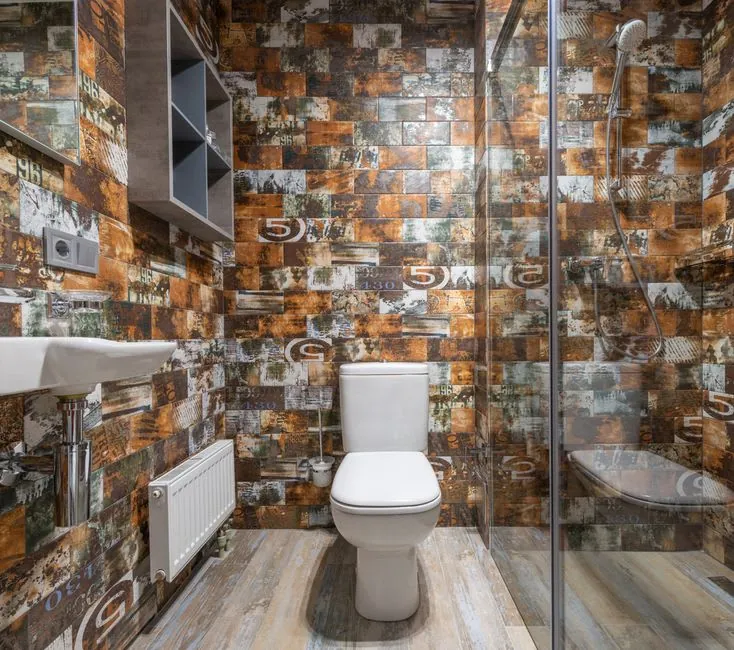
The trade-off is purely cosmetic: the cistern and the pipework are on show, and there are more edges and gaps to clean around than a concealed design. For a family bathroom or a budget-conscious refit, though, a close-coupled toilet is hard to beat on value and reliability, and a modern rimless close-coupled pan cleans up far more easily than the older designs it replaces.
Wall-Hung Toilets
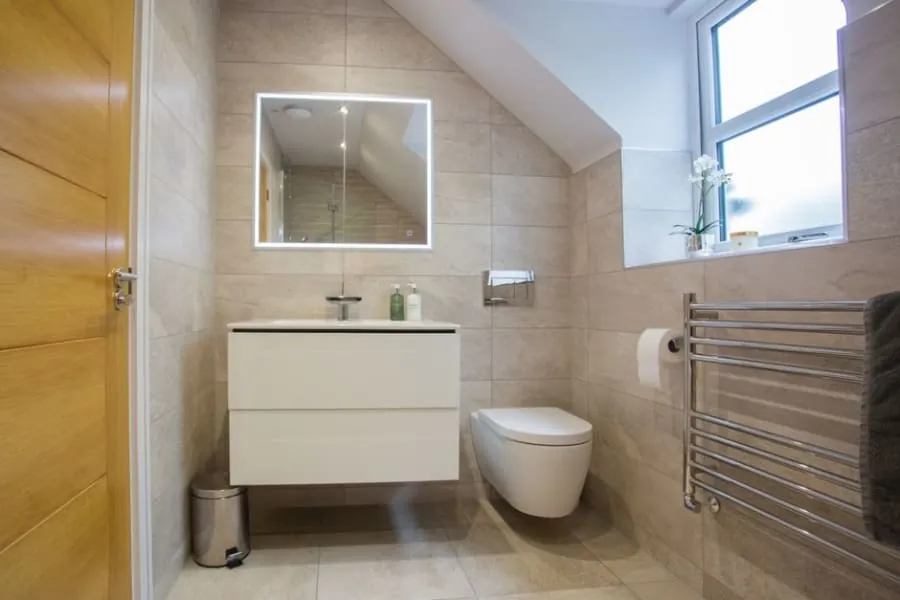
A wall-hung toilet is the modern, minimal option. The pan is mounted on the wall with the cistern hidden inside a frame behind it, so it appears to float with clear floor underneath. That clear floor is the big selling point: it looks sleek, makes a small room feel more open, and is quick to clean because there is nothing to mop around.
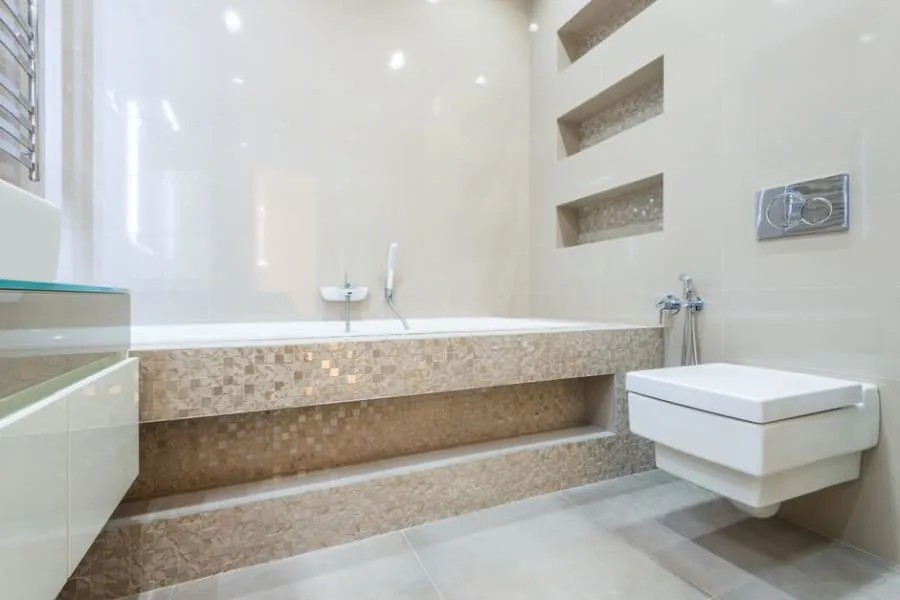
The catch is the installation. A wall-hung toilet needs a strong steel supporting frame built into or in front of the wall to carry the weight, and the cistern is concealed with access through the flush plate. That makes it more involved and more expensive to fit than a close-coupled toilet, but the payoff is a genuinely upgraded, easy-clean finish that suits a contemporary Derby bathroom.
Back-to-Wall Toilets
A back-to-wall toilet sits between the two. The pan stands on the floor but sits flush against the wall or into a furniture unit, with the cistern hidden behind the wall or inside the unit. You get the clean, concealed look without needing a wall-hung frame, because the pan takes its own weight on the floor.
This is a popular middle ground, especially when paired with a vanity or WC unit that hides the pipework and adds a bit of storage on top. It is easier to clean than a close-coupled toilet, less involved than a wall-hung one, and it suits the kind of fitted look a lot of people want. Our vanity unit service often combines a back-to-wall toilet with matching storage for a tidy, built-in finish.
Dual-Flush and Water Efficiency
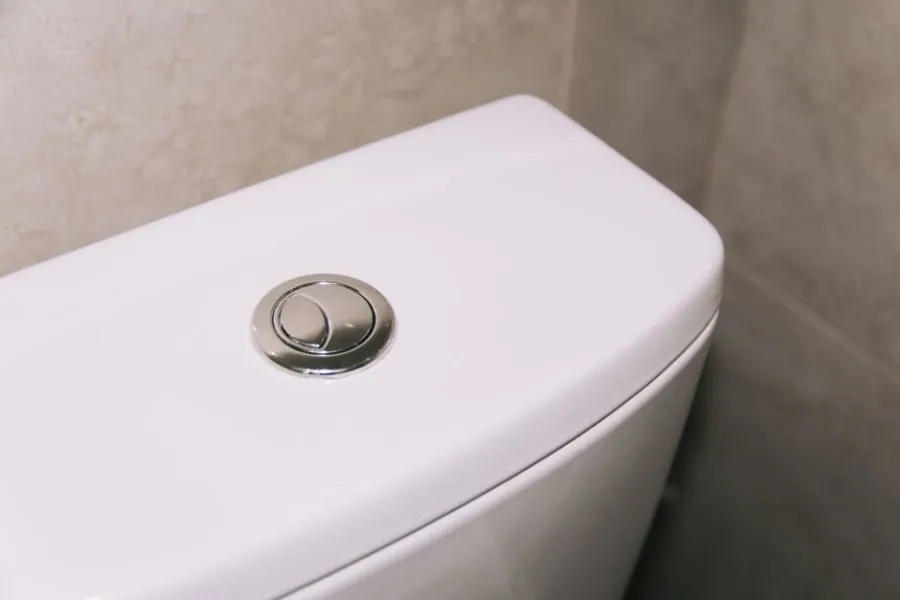
Whatever style you choose, almost all modern toilets are dual-flush, giving a smaller flush for liquid and a full flush for solids. It is a simple feature that saves a meaningful amount of water over a year compared with an old single-flush toilet, which is good for both your water bill and the environment. Water efficiency is covered by the building regulations in the sanitation and water efficiency approved document.
The other feature worth having in Derby is a rimless pan. Traditional toilets have a rim around the bowl that hides limescale and grime, which is exactly where hard water builds up. A rimless design has no such trap, so it flushes cleaner and is far easier to keep hygienic. Any toilet install should be done by a competent plumber, ideally one on WaterSafe, so the connections and seals are right.
Which Toilet Suits Your Bathroom?
Match the toilet to the room and the budget. For a family bathroom or a value refit, a close-coupled rimless toilet is dependable and easy on the wallet. For a modern bathroom where you want the sleekest, easiest-to-clean finish and have the budget, a wall-hung toilet is the one. For a tidy, built-in look with hidden pipework and a bit of storage, a back-to-wall unit is the practical middle path.
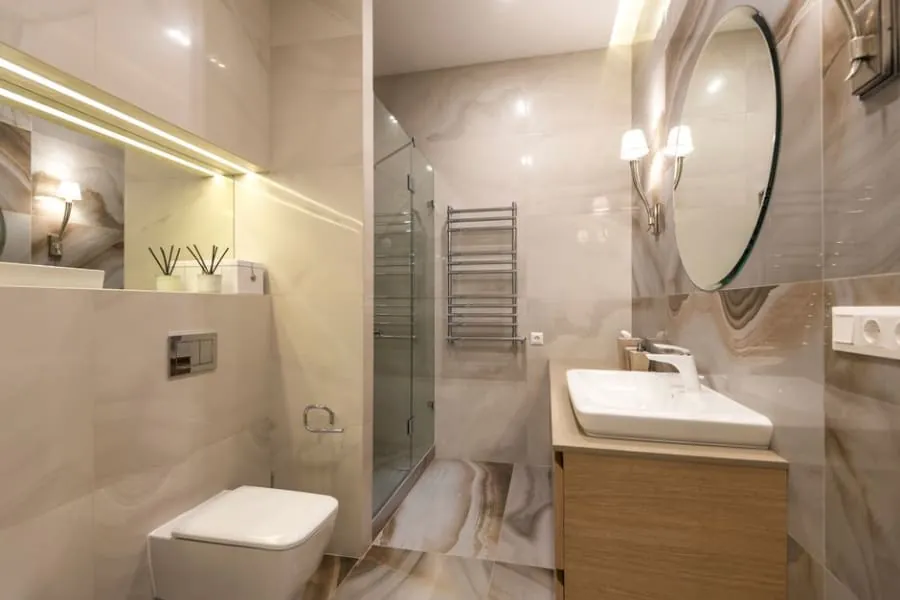
In a compact terrace bathroom or a downstairs cloakroom, the space you save with a back-to-wall or wall-hung design can be the difference between cramped and comfortable, which we covered in our guide to downstairs toilets and cloakrooms in Derby. General buying pointers from Which? bathroom reviews help with the fittings, but the best fit for your room is something we will happily advise on at a site visit.
Frequently Asked Questions
What is the best type of toilet for a small Derby bathroom?
In a small bathroom, a close-coupled toilet is the reliable, space-sensible default, and a back-to-wall unit is a good step up because it hides the cistern and pipework and can add a little storage. Wall-hung toilets also work well in a small room because the clear floor underneath makes the space feel bigger, though they cost more to install because of the concealed frame. It comes down to budget and how modern a look you want.
Are wall-hung toilets worth it?
If you want a modern, easy-to-clean bathroom, yes. A wall-hung toilet leaves the floor clear underneath, which looks sleek and makes mopping around it far quicker, and the cistern is hidden in the wall. The trade-offs are cost and installation: they need a strong supporting frame built into or in front of the wall, so they are more involved to fit than a close-coupled toilet.
How do I access the cistern on a concealed toilet?
Through the flush plate. On a wall-hung or back-to-wall toilet the cistern is hidden, but the flush plate on the wall is removable and gives access to the fill and flush valves for maintenance. A good installation leaves everything reachable, which is one reason it pays to have a concealed cistern fitted properly rather than boxed in with no access.
Do dual-flush toilets save water?
Yes. A dual-flush toilet gives you a smaller flush for liquid waste and a full flush for solids, which uses noticeably less water over a year than an old single-flush toilet. Most modern toilets are dual-flush as standard, and it is a simple way to cut water use, which matters for both your bill and the environment.
Choosing a new toilet as part of a bathroom refit? Get a free quote from Bathroom Fitters Derby and we will help you pick the right type for your room and fit it properly.