20 July 2026
Choosing a Shower for Your Derby Home: Electric, Mixer and Power Showers
A shower is the fitting you use every single day, so getting the right one matters more than almost anything else in the bathroom. The trouble is that the choice is not really about the showerhead you like the look of. It is about the water system feeding it, and that is where a lot of Derby homeowners come unstuck, buying a shower that was never going to work with their plumbing. Get the match right and you have reliable, strong, safe hot water for years. Get it wrong and you have a dribble, or a shower that runs cold every time someone turns on a tap. This guide runs through the three main types, how to read your own water system, and what works best in Derby.
Which Shower Suits Your Derby Home?
Before you fall for a particular showerhead, the first question is always what water system you have. Derby’s housing is a real mix, from Victorian terraces with older gravity-fed plumbing to newer estates running modern combi boilers, and the system decides which showers will actually perform. A shower that is perfect in one house is a weak disappointment in the next.
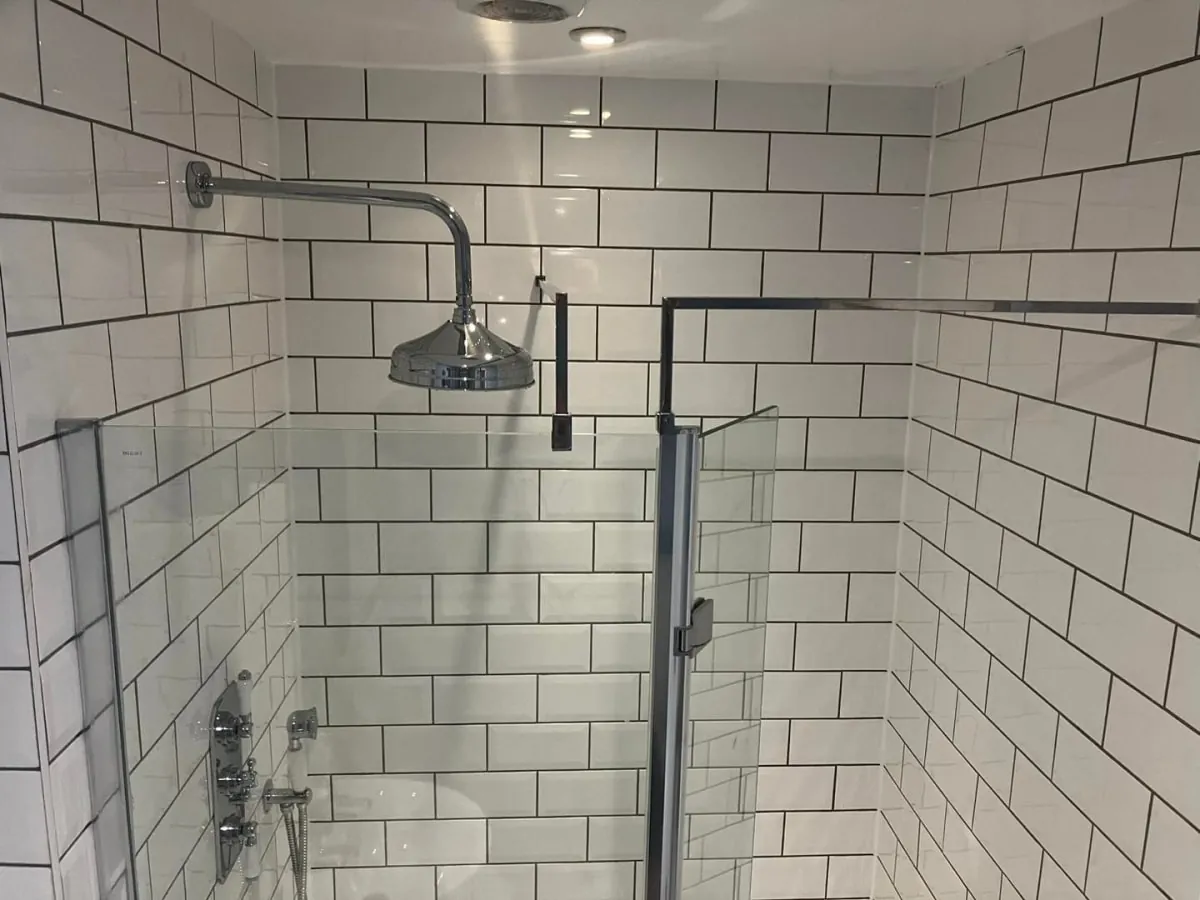
There are three main types to weigh up: electric, mixer and power showers. Each suits a different setup, and there is no single best one, only the best one for your home. When we plan a bathroom, matching the shower to the system is one of the first things we sort out, and our shower installation service starts there rather than with the catalogue.
Electric Showers
An electric shower is the independent one. It takes only a cold water feed and heats the water itself with an element as it passes through, like a kettle in the wall. Because it does not rely on your boiler or hot water cylinder, it works with almost any system, which makes it the go-to for a second bathroom, an en-suite, or a house where the hot water is unreliable.
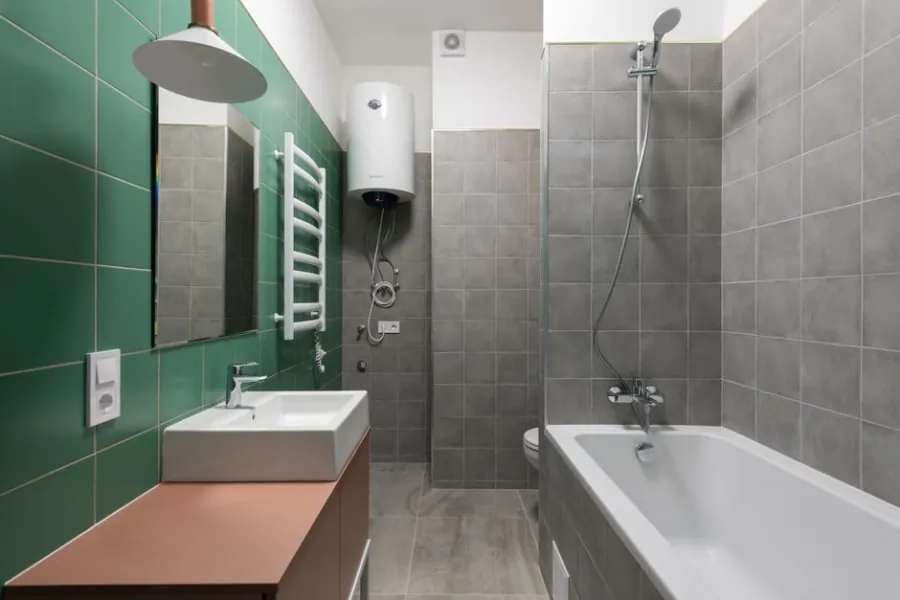
The trade-off is flow. Heating water on demand limits how much comes through, so an electric shower gives a steadier rather than drenching spray, and a higher kilowatt rating, up to 10.5kW, gives a better flow. The other advantage is that it only uses hot water when you are actually showering. In hard-water Derby the element and head need descaling now and then, and Which?’s electric shower reviews are a useful place to compare models before you buy.
Mixer Showers
A mixer shower blends hot and cold water from your existing supply, so it depends on you having a good supply of both. On a combi boiler or a high-pressure unvented cylinder, a mixer delivers a strong, full flow that is hard to beat, which is why it is the most popular choice in newer Derby homes.
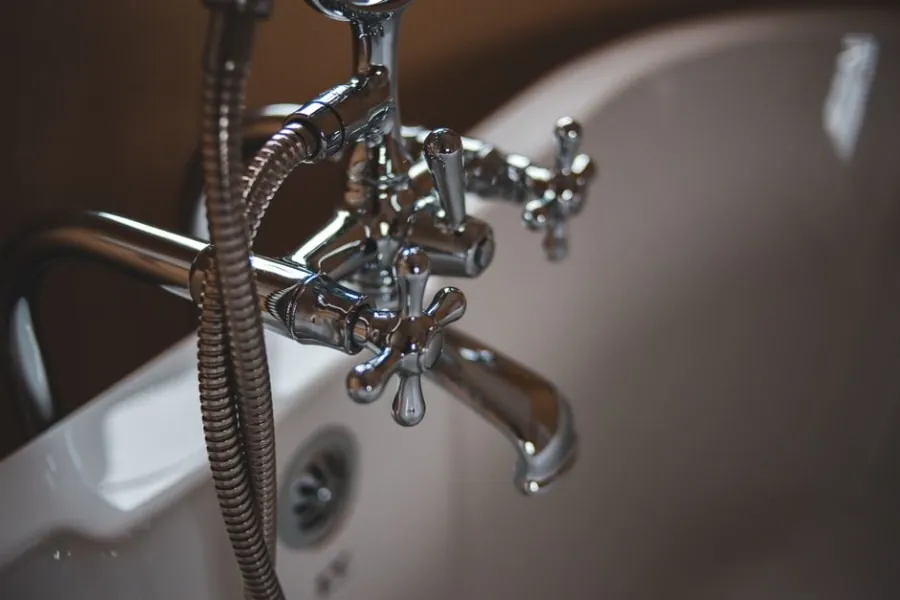
The feature worth paying for is a thermostatic valve. It holds the temperature steady even when someone flushes a toilet or runs the kitchen tap, and it cuts the flow if the cold fails, which stops a sudden scald. That safety matters in any family bathroom. A manual mixer is cheaper but does not protect against temperature swings, so for most homes the thermostatic version is money well spent.
Power Showers
A power shower is essentially a mixer with a built-in pump, and it exists for one job: boosting a weak, gravity-fed system. If your home has a cold tank in the loft feeding a hot water cylinder, the natural pressure can be feeble, especially upstairs, and a power shower drives a strong flow where a plain mixer would trickle.
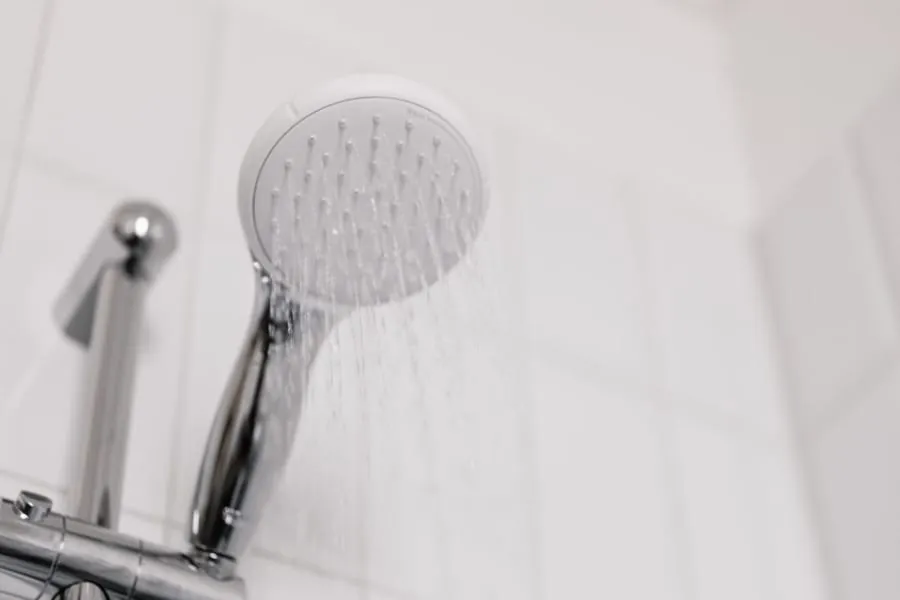
The catch is that a power shower is only for low-pressure gravity systems. If you have a combi boiler, the water already arrives at mains pressure, so a pump is pointless and can even cause problems by trying to draw more than the boiler supplies. This is exactly the mismatch that trips people up, so it is worth having a plumber, ideally one listed on WaterSafe, confirm your system before you buy one.
Water Pressure and Your System
Everything comes back to the plumbing behind the wall. There are three common setups in Derby homes. A combi boiler heats water on demand and runs at mains pressure, which suits mixer showers. A gravity-fed system, with a cold tank in the loft and a hot cylinder in the airing cupboard, runs at lower pressure and often benefits from a pump or power shower. An unvented cylinder, such as a Megaflo, stores hot water at mains pressure and gives a mixer real punch.
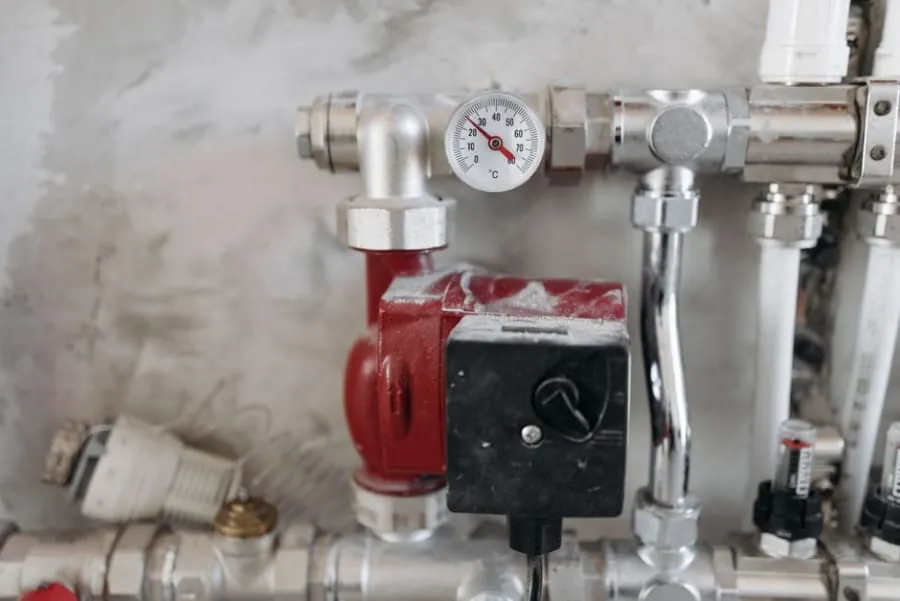
Knowing which of these you have is the single most useful thing before choosing a shower. It is easy to check with a quick look in the loft and airing cupboard, and it saves buying the wrong unit. Weak flow on the top floor of an older terrace is almost always the gravity system rather than a faulty shower.
Choosing the Right Shower for Your Home
Put it together and the decision usually makes itself. Combi boiler: a thermostatic mixer. Gravity-fed and weak: a power shower or a pump, or an electric shower on the cold mains. Second bathroom or unreliable hot water: an electric shower for its independence. Whatever you choose, in Derby’s hard water a thermostatic valve and a rub-clean head are worth having so limescale does not wreck the experience.
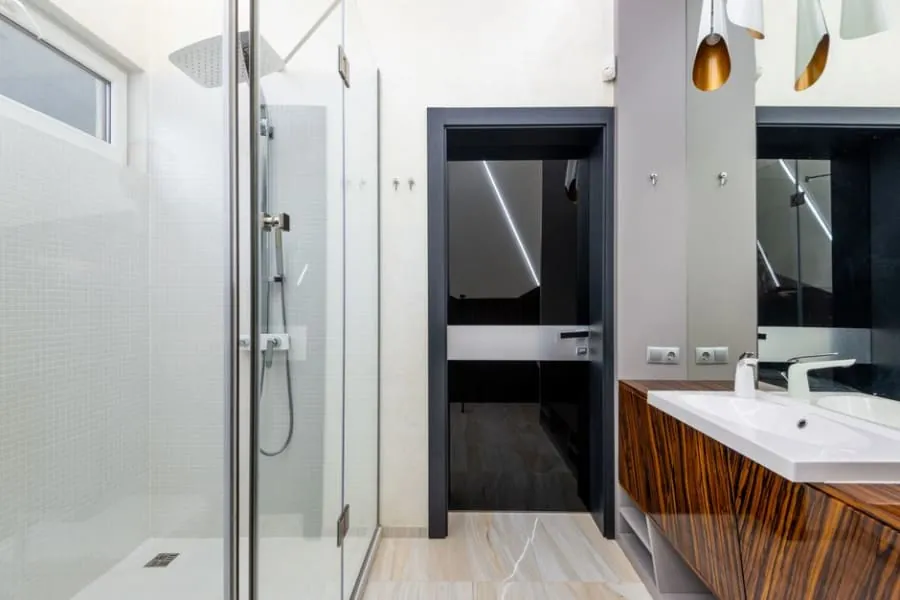
We covered the limescale side in detail in our guide to hard water in Derby bathrooms, which is worth a read alongside this. If you are unsure what system you have or which shower will give you the flow you want, that is exactly what a site visit sorts out, and general buying pointers from Which? bathroom reviews can help you shortlist before we talk specifics.
Frequently Asked Questions
What is the best type of shower for a Derby home?
It depends on your water system more than anything else. If you have a combi boiler, a thermostatic mixer shower usually gives the best results because it runs off good mains pressure. If you have an older gravity-fed system with a tank in the loft, a power shower or a pump can lift a weak flow. An electric shower is the flexible option because it heats its own water and works regardless of the system, which makes it handy for a second bathroom.
Can I fit a power shower with a combi boiler?
No, and this catches people out. A power shower has a built-in pump designed to boost a low-pressure gravity-fed system. A combi boiler already delivers water at mains pressure, so adding a pump is unnecessary and can actually cause problems. With a combi, a good thermostatic mixer is the right choice, not a power shower.
Are electric showers good in hard water areas like Derby?
They work well, but hard water is tough on the heating element and the showerhead, so limescale builds up over time. Choosing an electric shower with a decent power rating and a rub-clean head, and descaling it regularly, keeps it running. In a hard-water city like Derby that bit of upkeep matters whatever shower you choose.
Why is my shower pressure so weak in my Derby house?
Weak flow usually comes down to the water system. Older Derby homes on a gravity-fed setup, with a cold tank in the loft feeding the hot cylinder, naturally run at lower pressure, especially on the top floor. The fix might be a pump, a power shower, or switching to an electric shower on the cold mains. A plumber can check your system and tell you which route makes sense.
Not sure which shower is right for your home and water system? Get a free quote from Bathroom Fitters Derby and we will check your setup and recommend the shower that will actually perform.