
31 August 2026
Refresh Or Rip It Out? When A Derby Bathroom Is Worth Saving
There is a conversation we have in Derby hallways more often than any other. A homeowner shows us a bathroom they have hated for years, braced for a five-figure verdict, and asks how bad it is. Sometimes the honest answer is that it needs everything. But a decent share of the time - maybe a third of the bathrooms we look at - the honest answer is that £600 of careful work would buy the room another five years. The trouble is that the opposite also happens: people spend a weekend regrouting a bathroom that is quietly rotting the floor underneath it, and the money is wasted twice. This post is about telling those two situations apart before you spend anything. The difference is rarely visible from the doorway, but it is nearly always detectable if you know where to press, tap and sniff.
What A Weekend Refresh Can Genuinely Fix
Most of what makes a bathroom feel grim is surface-deep. Grout absorbs soap scum and darkens; silicone around the bath grows its speckled mould beard; chrome pits; the toilet seat yellows; the paint above the tiles goes flat and tidemarked. None of that says anything about the room’s bones. Raked-out and refreshed grout, new silicone cut in properly, a new bar valve on the shower and decent bathroom paint will make a structurally sound room look ten years younger, and the whole list can be done without a single tile coming off.
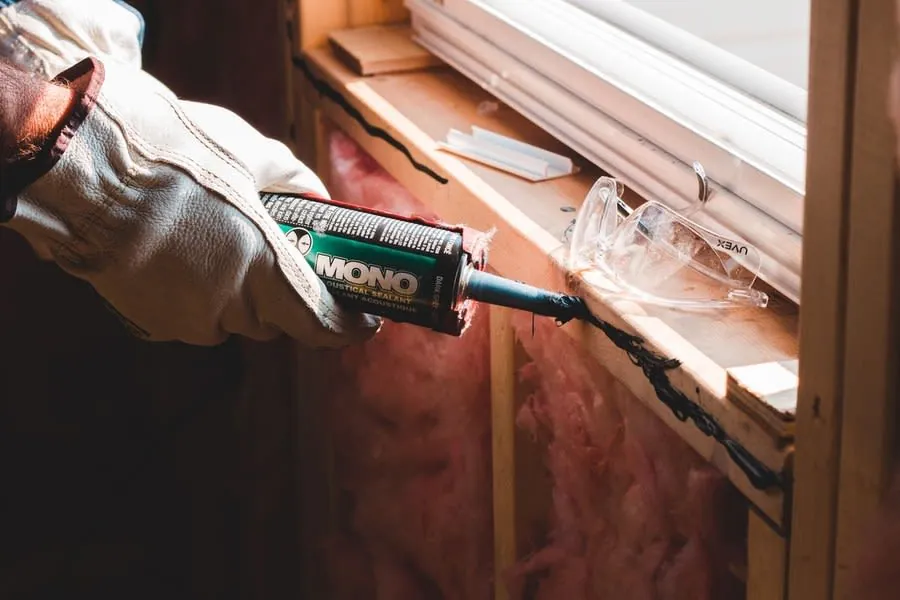
The refresh list extends further than people think. Tired vinyl can be overlaid. A dated shower screen swaps out in an hour. Taps, wastes, towel rails and light fittings all change without disturbing what is behind them. We cover the full-refit side of the ledger on our bathroom remodelling service page, but the point of this section is the opposite one: if your complaints are all in that cosmetic column - colour, shine, staining, one broken fitting - you may not be a refit customer yet, and a fitter who tells you otherwise without looking hard at the room is selling, not advising.
The one refresh job we would push back on is painting over tiles. Tile paint photographs well and wears badly, particularly around a bath where it sits under standing splashes. In our experience it buys eighteen months of looking acceptable, then peels at exactly the edges you notice most.
The Three Problems No Amount Of Regrouting Will Solve
The first is failed waterproofing. Tiles and grout are not waterproof as a system - the protection comes from what was done to the wall before tiling, and in a lot of older Derby bathrooms that was nothing at all. Once water has found a route through, it travels behind the tiles no matter how pristine the new grout on the front looks. We wrote up what should be behind your bathroom tiles recently, and the short version is that plasterboard which has been wet for a year cannot be rescued from the front.
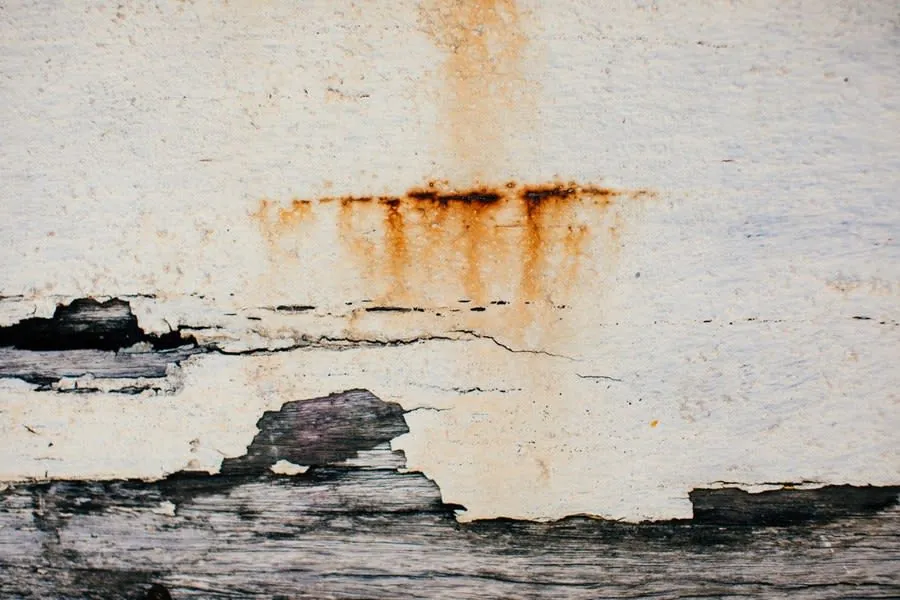
The second is the floor. Timber floors under leaking bathrooms soften slowly and silently, and by the time a bath feels bouncy the joist ends are usually involved. That is a structural repair with the suite out of the room - there is no cosmetic version of it.
The third is pipework at the end of its life. Original steel supply pipes, dead-legged runs from decades of piecemeal changes, or a waste that has never quite run right will all keep generating problems through any number of refreshes. If the room needs replumbing, the maths of a refresh collapses, because the disruptive part of the job is happening anyway.
How To Tell Which Side Of The Line You’re On
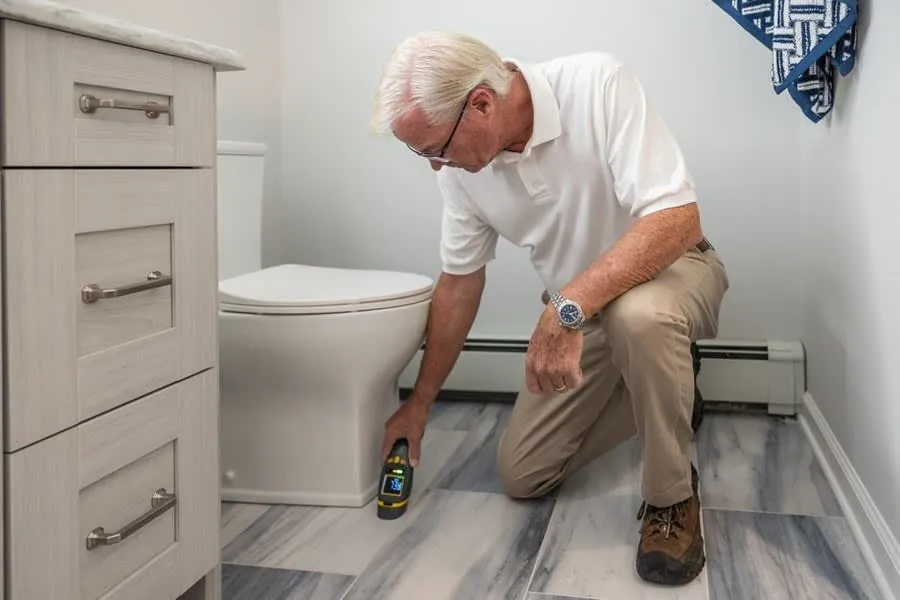
You can settle most of this in twenty minutes without a tool more sophisticated than a knuckle. Tap the tiled walls around the bath and shower and listen for the change from a solid note to a hollow drum - drummy tiles have separated from their adhesive, almost always because of moisture behind them. Press hard on the bottom two rows of tiles; any movement matters. Kneel on the floor in front of the bath and feel for give. Then go downstairs and study the ceiling under the bathroom in daylight, because a faint ring stain there outranks anything the bathroom itself is telling you.
Two more checks are worth the bother. Lift the flooring at the doorway threshold if you can, and look at the board edges - grey, fibrous or crumbly edges mean water has been travelling. And smell the room after it has been shut up for a day. A bathroom that smells musty with the window closed has a moisture source somewhere, and refreshing the surfaces will hide it for precisely one summer.
If any of these checks fails, get a professional opinion before spending refresh money. A moisture meter reading through a suspect wall costs a fitter nothing to take and settles the argument in seconds either way.
What Derby’s Houses Do To The Decision
The age bands of Derby’s housing push the answer in predictable directions. The Victorian and Edwardian terraces around Six Streets, Strutts Park and Normanton mostly have bathrooms sitting on original timber floors, often in rooms that were converted to bathrooms long after the house was built. Those floors have had a century of opportunities to get wet, so the checks above matter more there than anywhere else in the city - and a refresh verdict needs the floor evidence to be clean.

The 1930s semis across Allestree, Chaddesden and Mickleover are usually better candidates for saving. The rooms are a sensible size, the floors were built generously, and if the bathroom was refitted any time since the eighties the waterproofing is at least likely to exist. Where they catch people out is pipework - a lot of these houses still carry original or very old supply runs, and that is worth checking before committing to a cosmetic budget.
Ex-council homes in Mackworth, Sinfin and Alvaston often have solid upstairs floors in the bathroom zone, which removes the scariest failure mode entirely and makes them some of the best refresh candidates in Derby. And the new-build estates at Boulton Moor and Castleward sit at the other extreme: the fabric is fine, the fittings are builder-grade, and the right move is nearly always swapping kit rather than touching walls. Whatever the era, remember that like-for-like swaps mostly sit outside building control, but new drainage or significant electrical work can be notifiable - the government’s guidance on when building regulations approval is required sets out where the line falls.
The Numbers, Side By Side
Priced honestly, the two routes are far enough apart that the decision should never be made on cost alone - it should be made on whether the cheap route actually works. A DIY-heavy refresh in Derby runs perhaps £150 to £400 in materials. Having a professional do the same list - regrout, reseal, new taps, screen, paint - typically lands between £600 and £1,200. A full refit starts around £5,500 for a straight like-for-like room and rises through £8,000 to £12,000 once layouts move and tiling gets ambitious.

The figure that matters most is the wasted-refresh number. Spend £900 refreshing a room that fails within two years because of what was behind the tiles, and you have not saved £5,000 - you have added £900 to the refit you end up doing anyway, plus whatever the extra two years of leaking cost the floor. That is why the twenty minutes of checking in the section above is worth more than any amount of price comparison.
If the verdict does go to refresh but you want the work done well, use someone accountable for it. The TrustMark register of government-endorsed tradespeople is a sensible starting filter for smaller works, where the one-day jobbing market is at its most variable.
The Middle Route: Keep The Layout, Change The Kit
Between the £400 weekend and the £8,000 refit sits an option that suits a surprising number of Derby bathrooms: keep every pipe where it is and replace the visible kit. Same bath position, same toilet position, new suite, new screen, retiled or panelled walls. Because nothing moves, there is no drainage work, minimal electrical work and a much shorter job - typically five to seven working days rather than ten to twelve.
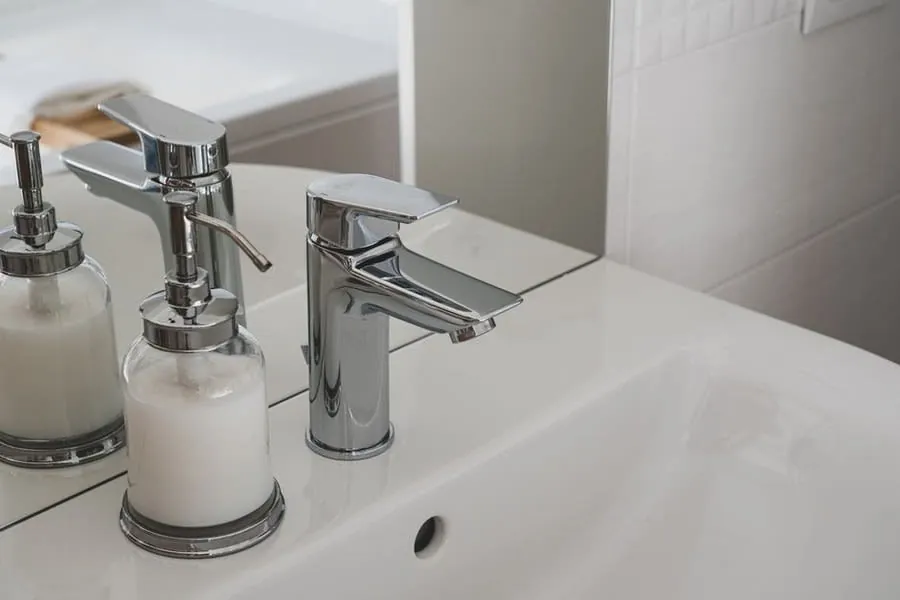
This is the route we would steer you towards when the room’s problem is age rather than damage or layout. It gets the waterproofing done properly - because the walls are open anyway - without paying for the plumbing gymnastics of moving a soil stack. It typically comes in 25 to 35 per cent under a layout-change refit. And it sidesteps the most common regret we hear about cheap refreshes, which is that the owner spent real money and the room still has the same bones they disliked in the first place.
Where it is the wrong call is when the layout genuinely does not work - a door clipping the basin, a bath nobody uses blocking the only sensible shower position. Fixing that costs what it costs, and a like-for-like refit just re-installs the annoyance in better materials.
If you are staring at a tired bathroom and cannot tell which of these three rooms you own, that is exactly what a look-round is for. We will tell you if £600 solves it, and we will tell you why if it does not. Get a free quote in Derby.