30 September 2026
Bathroom Fitters In Ashbourne And The Derbyshire Dales: Costs, Septic Tanks, Off-Grid Heating And Planning
Three questions decide what a bathroom in Ashbourne really costs, and none of them is about tiles. Where does the waste go? Where does the water come from? What heats it? In the middle of Derby a fitter can take all three for granted: mains sewer, Severn Trent supply, gas combi. Drive twenty-odd minutes up the A52 and that stops being safe. A fair share of homes in the Derbyshire Dales run on a septic tank or treatment plant, some draw water from a spring or borehole, and plenty of villages have no mains gas at all. Anyone looking for bathroom fitters in Ashbourne should expect those questions early. If they don’t come up, that tells you something about the firm.
Bathroom Fitters In Ashbourne Work On Three Different Kinds Of House
Ashbourne is really three markets sharing a postcode. The town centre, around the Market Place and down Church Street, is Georgian brick and stone with tall rooms, sash windows and bathrooms squeezed into space that was never planned for one. Round the edges there are Victorian terraces and newer estates that behave much like any Derby semi. Then there’s the countryside: stone farmhouses, converted barns and limestone cottages running north into the White Peak.
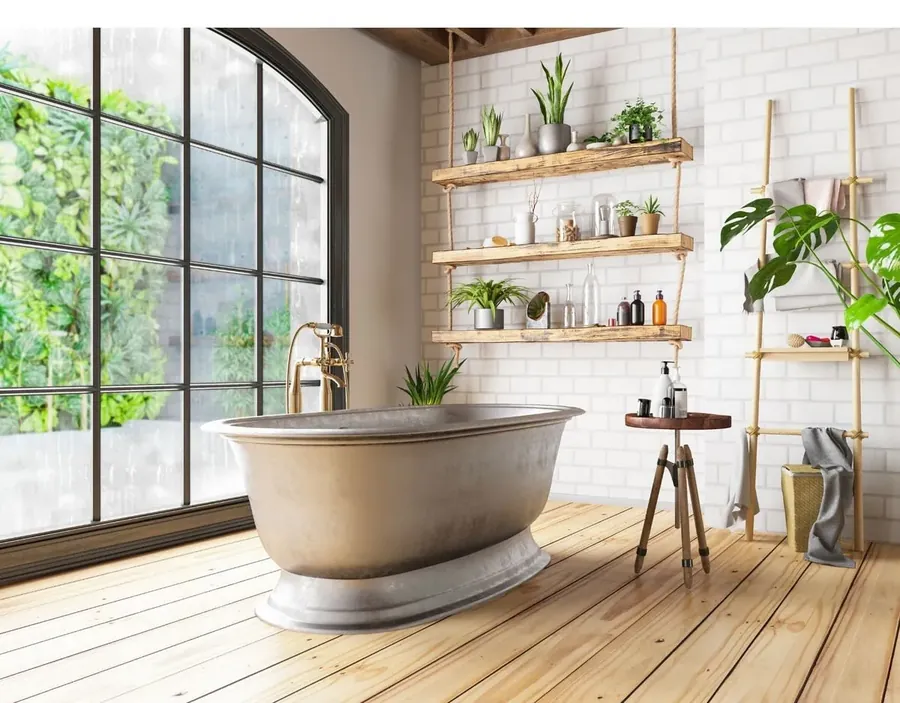
Each one goes wrong in its own way. In a town house the usual trouble is getting a 110mm soil pipe out of the building without cutting through something handsome. On an estate it’s the builder-grade shortcuts left behind by whoever fitted the room last. Out in the country, everything hanging off the bathroom - drainage, water, heat - may be private, and it’s your responsibility.
The fitting itself barely changes. A full bathroom remodel in a farmhouse outside Ashbourne uses the same trades, the same order of work and the same tanking as one in Mickleover. What changes is the survey, and how much of the quote is about the house rather than the room.
Where The Waste Goes: Septic Tanks And Treatment Plants
Plenty of homes outside Ashbourne have never been on a sewer. Waste runs to a septic tank with a drainage field, or to a package treatment plant, which is basically a small powered sewage works buried in the garden. Either will cope with a new bathroom. Neither likes surprises.
The rules come from the Environment Agency. Under the general binding rules for small sewage discharges to the ground, a household system has to stay at or below 2 cubic metres a day, and the tank must be emptied at least once a year or as the maker recommends. A septic tank is not allowed to discharge straight to a ditch or stream any more. If yours still does, that needs sorting whatever happens to the bathroom.
A like-for-like refit hardly moves any of this. An extra en-suite, a bigger bath, or a loft room with its own shower can. If the new layout means the house is treated as sleeping more people, the daily volume gets recalculated, and a tank that was fine may end up too small. We’d sooner find that out while you’re choosing basins than after the floor is tiled.
It’s also worth knowing where the tank actually sits before we plan any new waste run. A long, shallow fall across a garden to an old tank can govern where the toilet ends up far more than any design preference does.
Where The Water Comes From: Springs, Boreholes And Pumps
Most of Ashbourne itself is on the mains. Head out into the hills, though, and you find farms and hamlets still drinking from a spring or a borehole. The Drinking Water Inspectorate’s private water supply guidance explains who’s responsible. Derbyshire Dales District Council keeps the register and monitors supplies serving businesses or more than one home.
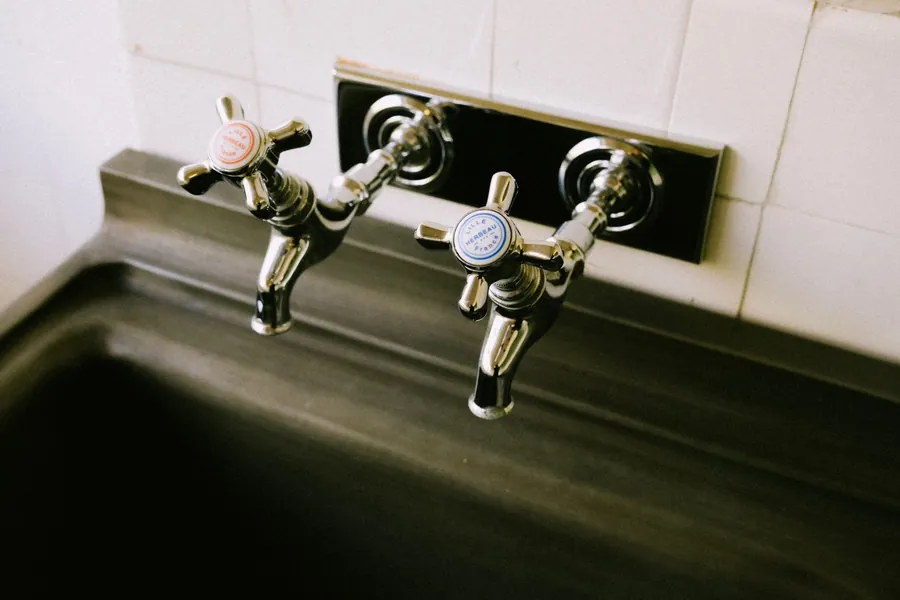
For a bathroom, a private supply matters in two ways. The first is pressure. Water almost always arrives via a pump and a pressure vessel, so the shower can only have what that kit gives it. A drench head chosen from a showroom can be a letdown on a small pump. The second is what’s in the water. Water that has been through limestone is usually hard, and some supplies carry sediment too, so the treatment gear (UV lamp, filters, sometimes a softener) needs somewhere to live and must be installed before the new fittings, never downstream of them.
Our first job on a private supply is to measure the flow at a tap, in litres a minute. Only then do we talk about showers.
What Heats It: Oil, LPG And Off-Grid Hot Water
A lot of the villages round Ashbourne never got mains gas. That leaves an oil boiler with a tank in the yard, bottled or bulk LPG, electric, or more and more often an air source heat pump. None of them behaves like a city gas combi, and the bathroom has to be planned around whichever one you have.
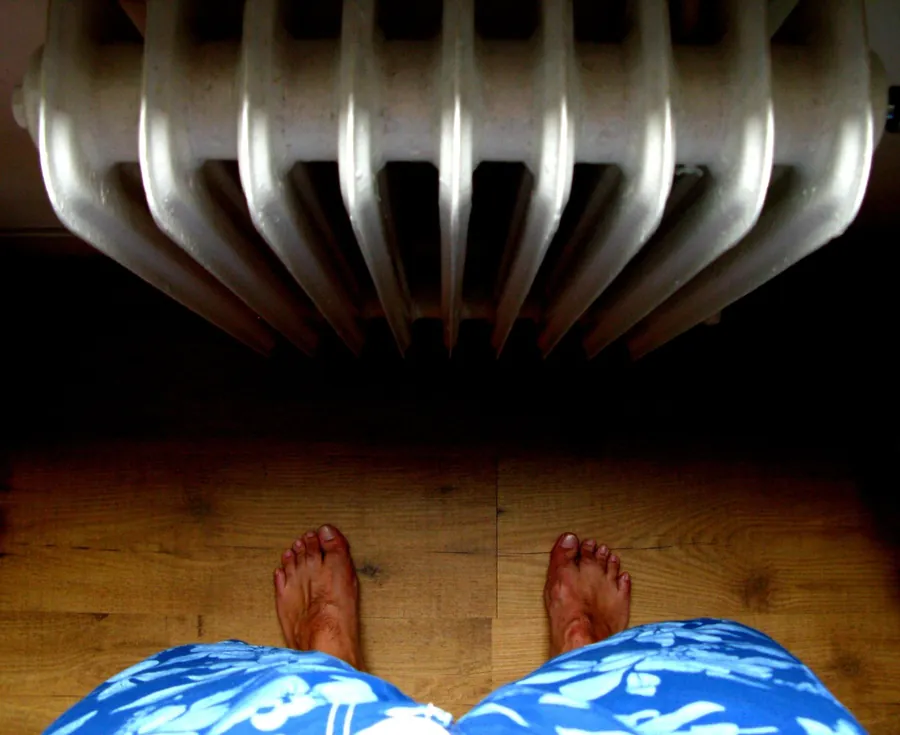
Most off-grid homes store their hot water in a cylinder rather than heating it on demand, and that decides a lot. Cylinder size limits how many showers you can run back to back. Heat pumps store water at a lower temperature, so a large bath empties the tank faster than people expect. Oil combis do exist, though they’re far less common. Before recommending a rainfall head or a big soaking tub, we work out whether the cylinder can cope.
If the boiler itself needs touching, that work belongs to a qualified heating engineer. For oil, that means an engineer registered under a competent person scheme such as OFTEC, the oil and renewable heating trade body, and LPG work needs a Gas Safe engineer registered for LPG. We bring in the right person rather than having a bathroom fitter improvise on a burner.
What A Bathroom Costs Around Ashbourne
We quote the same bands up here as in the city. A straight swap - bath, basin and toilet roughly where they were, with modest tiling - generally comes to £3,500 to £5,000. A proper refit with a new layout, full-height tiling, a good shower and new flooring usually lands between £5,000 and £9,000. Beyond £10,000 you’re looking at bigger rooms, wet rooms or bespoke furniture.
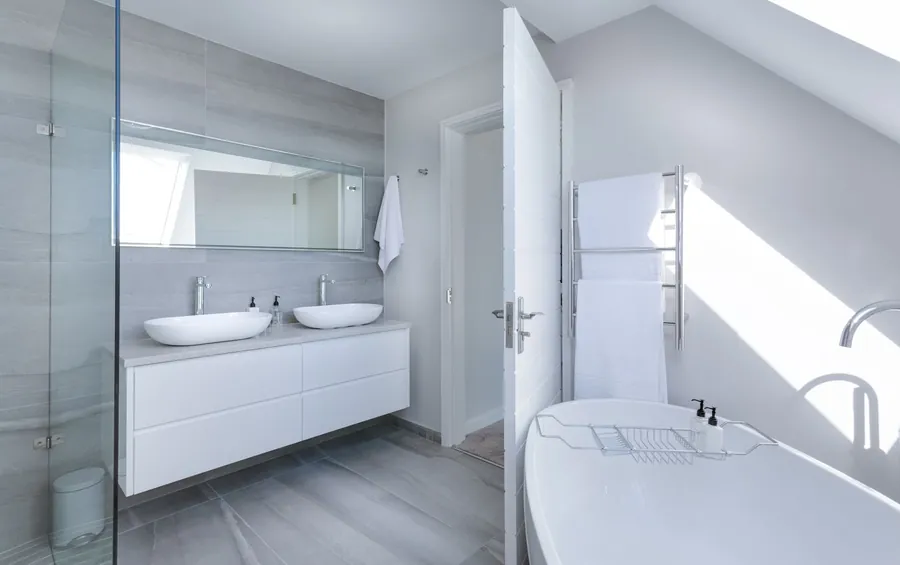
The Dales-specific extras are the ones covered above. A treatment plant that needs a service before it takes more load, a pump or filter upgrade, a bigger cylinder, or a new waste run across a yard can each add hundreds, sometimes more. Getting there counts too. A town house off the Market Place might need a skip licence from Derbyshire County Council, which is the highway authority, and a farm up a track may need a smaller van and more trips to the tip.
None of it should be a surprise on the invoice. If a quote for a rural property says nothing about drainage, water or heat, ask why not.
Planning: Derbyshire Dales District Council Or The Peak Park?
The district is split for planning. Ashbourne and most of the southern Dales come under Derbyshire Dales District Council. Villages inside the national park - Ilam, Thorpe and Hartington among them - answer to the Peak District National Park Authority. The boundary is only a few miles north of town, so a single job can easily sit on the other side of the line.
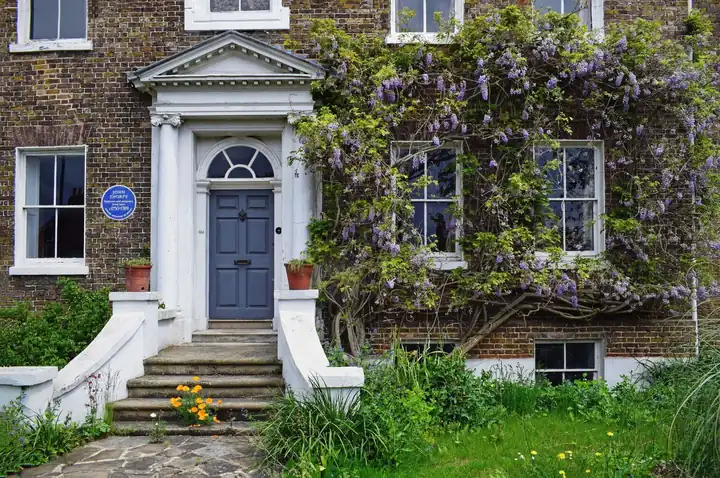
Ashbourne has its own conservation area too. It was first designated in 1968, extended since, and now covers about 22 hectares of the historic centre. Inside a conservation area, redoing a bathroom indoors is normally fine without permission. Trouble starts with external changes that can be seen: a new extractor grille or flue on a front elevation, a replacement window, or a soil stack fixed to a street-facing wall. Listed buildings are stricter again, because even internal alterations can need listed building consent.
Building regulations apply everywhere regardless. New drainage, electrics in the bathroom zones and extractor ventilation all have to meet them, whichever side of the Park boundary you’re on.
Choosing A Fitter Who Will Actually Cover The Dales
Plenty of firms put “Derbyshire” on their van and mean Derby and its ring road. Before you book a survey, ask straight out whether they work in your village, how often they’re up that way, and what happens on a day when the lane is blocked or snowed in. A fitter who’s worked in the Dales will answer without having to think.
The survey tells you most of what you need to know. A good one covers more than measuring the room. Expect questions about the tank, the pump and the boiler, and expect the fitter to look outside at the pipes as well. Our Ashbourne page lists the areas we cover and how we run jobs out of town. If you’re weighing up homes further east, we’ve also written about bathroom fitting in Belper and Duffield, where it’s the stone walls rather than the services that cause the headaches.
Get the rest in writing: the scope, who’s responsible for any heating or drainage work, how long the job runs, and whether travel is priced in or added on. That last point causes more arguments on rural jobs than anything else.
Frequently Asked Questions
Who do I ask about planning for a bathroom in Ashbourne?
Ashbourne town sits outside the Peak District National Park, so Derbyshire Dales District Council is the planning authority, and it also looks after the Ashbourne Conservation Area. Cross the Park boundary into villages such as Ilam, Thorpe or Hartington and the Peak District National Park Authority takes over instead. An internal refit rarely needs permission from either, but listed buildings, new windows, external flues and soil pipes on show to the street are the things worth checking before work starts.
Does adding an en-suite affect my septic tank?
It can. A small sewage discharge to ground in England has to stay at 2 cubic metres a day or less under the general binding rules, and if an extension or extra bathroom pushes the calculated volume up you are expected to redo the sum. An old septic tank that runs straight into a stream or ditch is no longer allowed at all. We ask where the waste goes on the first visit, because the answer can change the job more than the choice of suite.
Can a house on a private water supply have a decent shower?
Usually, yes, but the shower has to suit the pump rather than the brochure. Most private supplies in the Dales come through a pump and pressure vessel, so the flow you get depends on that kit, and hard spring or borehole water from the limestone will scale up a shower head quickly. We measure flow at the property before recommending anything, and we will tell you if the pump or filtration needs looking at first.
How much does a bathroom cost in Ashbourne?
The bands are the same as around Derby: roughly £3,500 to £5,000 for a straight swap, £5,000 to £9,000 for a full refit with new layout and tiling, and £10,000 upward for larger rooms or wet rooms. Rural properties can add to that where drainage, water treatment, a heating change or awkward access comes into it, which is why we price from a visit rather than over the phone.
Do you cover villages inside the Peak District National Park?
Yes. We fit bathrooms across the Derbyshire Dales, on both sides of the Park boundary. The fitting is identical wherever you live. The differences are which authority to ask if anything external needs consent, and how long the van takes to get down a single-track lane.
Living in or around Ashbourne and ready to talk it through? Book a free survey with Bathroom Fitters Derby and we’ll check the drainage, water and heating before we quote.