
8 September 2026
Bathroom Leaks In Derby Homes: Finding The Source, And Knowing When To Stop Patching
Water is patient. A joint that lets past a teaspoon each time somebody showers will not announce itself for months, and when it finally does, it announces itself somewhere else entirely - a ring on the kitchen ceiling three metres from the bathroom, a skirting board that has quietly swollen, a cupboard that smells of damp cardboard. That distance between cause and symptom is what makes bathroom leaks expensive. A UK household gets through roughly 140 litres of water per person per day, most of it through the bathroom, so even a fraction of a per cent going the wrong way adds up to a soaked floor structure over a winter. Of the leak call-outs we take in Derby, something close to two thirds turn out to be a seal, a tray or a waste connection rather than a burst pipe, which is good news for the repair bill and bad news for anyone hoping to find it by looking.
How Long A Bathroom Leak Can Hide
The reason bathroom leaks stay hidden is structural. Most Derby homes with an upstairs bathroom have a suspended timber floor, and timber is absorbent. Water escaping at a shower tray does not drip neatly through to the room below; it wicks along the boards, soaks into the joist, and only appears downstairs once the timber has taken all it can hold. In a Victorian terrace where the bathroom sits over the back kitchen, that can be a year. In a 1930s semi in Littleover or Allestree with deep joists and a lath ceiling, longer still.

Newer estates behave differently. In a house at Boulton Moor or Mickleover with chipboard flooring, the first sign is often the floor itself rather than the ceiling - chipboard swells when it gets wet and does not shrink back, so the boards lift at the joints and the vinyl or tile above starts to feel spongy underfoot. Both stories end the same way. The leak is old by the time you see it, and the question is no longer just how to stop it but how much of what it soaked has to come out. If you are already planning work, our shower installation page covers how the tray and the waste are set to avoid this happening in the first place.
Baths, Overflows And The Joint That Goes First
Start with the bath, because it is the most common culprit and the easiest to test. Fill it properly, not a few inches, and stand in it. Then look at the seal line along the tiles as the weight goes on and comes off. A bath that flexes under a person breaks its seal every single time it is used, and no amount of new silicone fixes that - the bath needs bedding or its cradle needs adjusting.
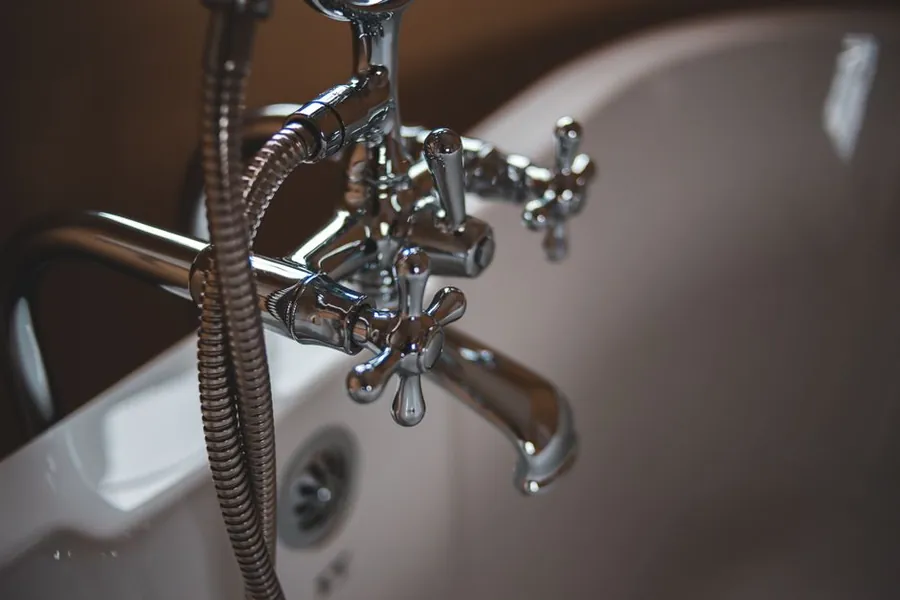
Then check the parts people never look at. The overflow, which only leaks when the bath is filled above it, so it is invisible during a normal shower. The tap tails and their washers, which sit under the rim where nobody puts a hand. The waste itself, where the plastic nut is often just finger tight after somebody adjusted the plug. Run a dry sheet of kitchen roll around each of these while the bath is full - paper finds damp that fingers miss. Hard water accelerates all of it, and Derby is firmly in the hard water belt, so limescale builds on washers and seats until they no longer close cleanly.
Shower Trays And Enclosures: The Slow Ones
Shower leaks are slower and worse. The water is warm, it is directed, and it hits the same 40cm of wall thousands of times. Most enclosure leaks are not through the glass or the door but at the two junctions at the bottom - where the tray meets the wall, and where the tray meets the floor.

Two faults cause the majority of these. The first is a tray that was not fully supported, so it moves fractionally under a person’s weight and the seal at the wall opens and closes with every shower. The second is grout doing a job it cannot do. Grout is not waterproof and it is not flexible, so where it has been used at the tray-to-tile junction instead of sealant, it will craze and then let water straight through to the board behind. If your grout there is dark, crumbly or cracked in a line, that is not cosmetic.
Test it properly. Block the waste, put an inch of water in the tray, leave it two hours and check underneath. If it stays dry, the tray and waste are sound and the problem is above the tray - which points at the seal, the enclosure or the wall behind it. That single test saves an enormous amount of guessing.
Reading The Ceiling Below
The stain downstairs tells you more than people give it credit for, as long as you read it properly. A sharply defined brown ring that grows a little each week is usually a steady, small-volume leak - a waste, a seal, an overflow. A pale, spreading patch that appears quickly and then dries out is usually a one-off event, like water going over the edge of a shower curtain or a bath being overfilled.
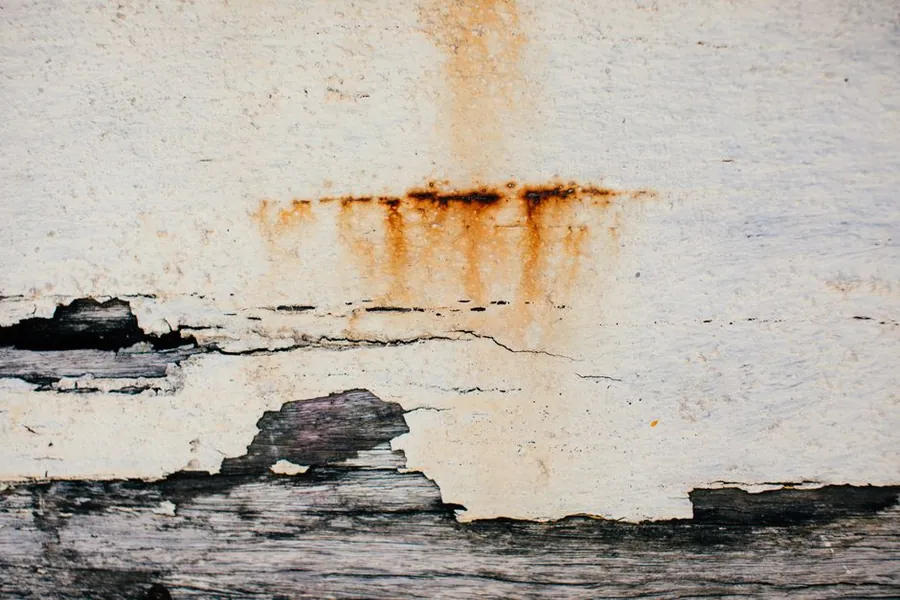
Position matters more than size. Water runs along joists before it drops, so the wet patch is almost never directly under the fault - it is under the lowest point of the run, which might be a metre or two away. Mark the edge of the stain in pencil and write the date next to it. It takes ten seconds, and a fortnight later you know whether the leak is still running or whether it stopped when somebody last tightened something.
If a light fitting or a ceiling rose sits anywhere near the damp, treat the circuit as suspect and switch it off at the consumer unit. Water and light fittings in the same ceiling void is the point at which a slow problem becomes an urgent one, and any electrical work that follows falls under Part P of the building regulations, which Derby City Council building control oversees locally.
What The Damage Is Telling You About Timing
The state of the surrounding materials dates the leak better than any meter reading. Paint that is blistered but firm underneath is recent. Plaster that has gone soft and chalky, or crumbles when you press a thumbnail into it, has been wet through several cycles of wetting and drying. Salts on the surface - a white, powdery bloom - mean the water has been moving through the plaster long enough to carry minerals out of it.
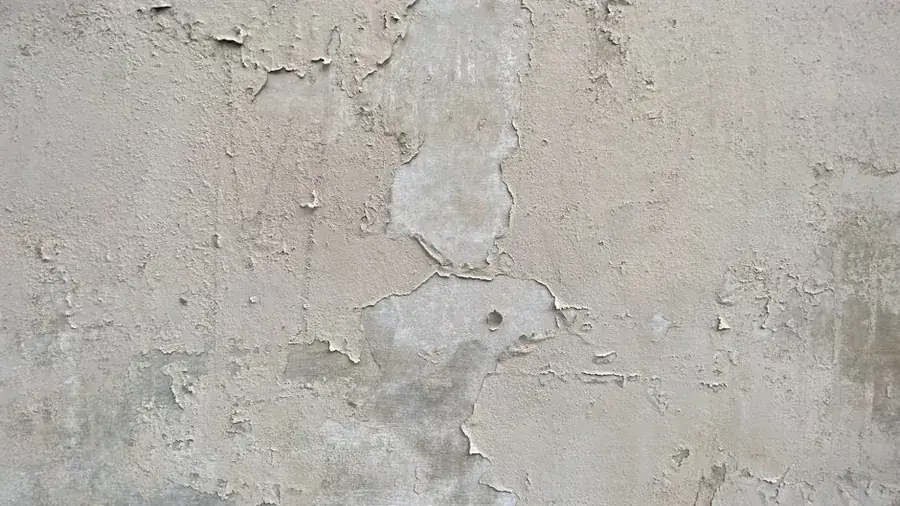
Smell is a decent second opinion. A musty, earthy smell in a cupboard on the other side of a bathroom wall usually means the timber inside has been damp for a long time. Timber with a moisture content above roughly 20 per cent is in the range where decay can get established, and unlike plaster it does not recover just because the leak has been fixed.
This is also where the honest conversation about insurance sits. Most policies distinguish between sudden damage and gradual deterioration, and a leak that clearly ran for two years tends to fall the wrong side of that line. Which? has a useful plain-English breakdown of what escape of water cover actually includes, and it is worth reading the trace and access section of your own policy before anyone starts opening up ceilings. We went through this ground in more detail in our guide to whether home insurance covers a Derby bathroom renovation.
Repair Or Replace: Where The Money Stops Making Sense
There is a genuine tipping point, and it is not about the age of the suite. It is about how much of the wall and floor has to come apart to reach the fault.

Repair is usually the sensible answer when the fault is reachable without destroying finished surfaces, when the board behind the tiles is still hard, and when you can find matching tiles - keep spares, they are worth their weight in gold. Replacement starts to win when the tiling has to come off a whole wall to reach the leak, when the floor has softened, when the same seal has been redone twice already, or when the suite is old enough that spare parts for the valve or the cistern no longer exist. At that point the repair is not cheaper. It is just a smaller invoice, arriving sooner.
There is a middle path people forget. Fixing the leak properly, drying the structure out fully, and living with tired tiling for another year is a perfectly reasonable plan - and often a better one than rushing a full refit while the joists are still wet. Drying takes weeks, not days, and tiling over damp timber simply seals the problem in.
What A Repair Should Actually Include
Whoever does the work, the scope matters more than the price. A repair that only replaces the failed part and re-seals the joint is a repair with a return visit built into it.
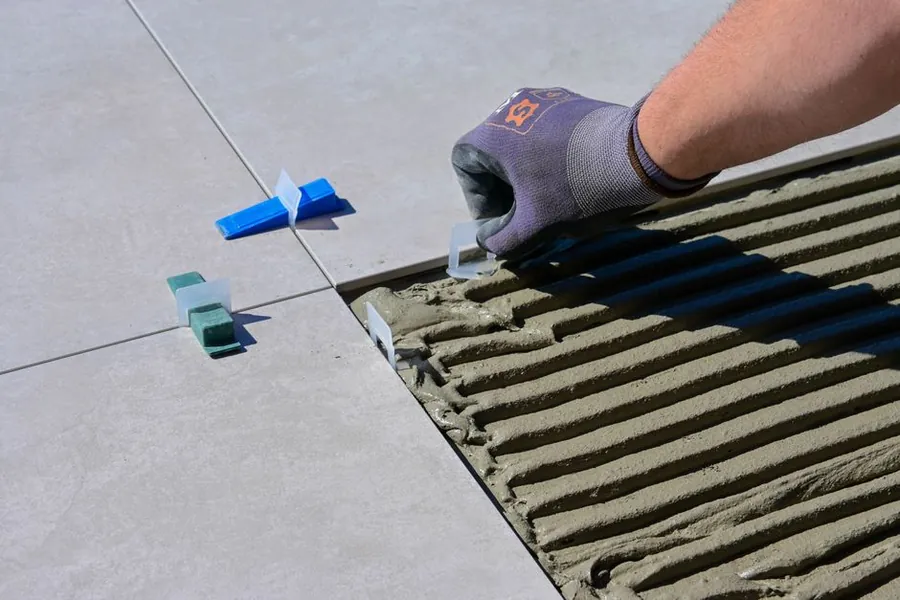
Expect four things. The wet material comes out rather than being covered up. The substrate behind is checked and replaced with a board suitable for wet areas if it has softened. The junction is remade with sealant, not grout, and with the tray or bath properly supported. And you get told what the cause was, in plain words - “the tray was sitting on two battens instead of a full base” is a cause, “it was leaking” is not.
For anything involving the water supply rather than the waste, use someone who works to the water regulations; the Chartered Institute of Plumbing and Heating Engineering keeps a register you can search, and the requirements for sanitation and hot water safety sit in Approved Document G if you want the underlying rules. It is dry reading, but it settles arguments about unvented cylinders and overflow arrangements quickly.
Frequently Asked Questions
How do I tell whether my bathroom leak is the pipework or the seals?
Pipe leaks are steady and do not care whether anyone is in the room. Seal and grout leaks only appear after the bathroom has been used, and usually only after a shower rather than a hand wash. Turn the water off at the stopcock for a few hours with nobody using the room. If the damp patch stays exactly as it was, you are looking at a seal, a tray or a waste rather than a pressurised pipe.
Can a bathroom leak be fixed without taking the whole bathroom out?
Often, yes. A failed waste connection, a perished tap tail, a cracked overflow or a bad silicone joint are all local repairs, and a tiler can usually cut out and replace a small area of tiling around them. It stops being a local repair when the board behind the tiles has softened, because at that point every tile fixed to it has to come off anyway and you are into a rebuild of that wall.
Does home insurance cover a leaking bathroom in Derby?
Most policies cover the damage caused by an escape of water - the ceiling, the floor, the decoration - but not the failed part that caused it, and not wear and tear. A shower tray seal that has been quietly failing for two years is usually treated as maintenance rather than a sudden event. Check your own wording, because the trace and access clause, which pays for opening up walls to find the leak, varies a lot between insurers.
How long can a bathroom leak go unnoticed before it does real damage?
In a Derby house with a suspended timber floor, a slow leak can run for a year or more before anything shows downstairs, because the water soaks into joists and boards before it ever reaches a ceiling. By the time a stain appears the timber underneath has usually been damp for several seasons. That gap between the leak starting and the leak showing is the reason a small repair so often turns into a bigger one.
Got a stain you cannot explain, or a bathroom that has been repaired once too often? Get a free quote in Derby.