20 July 2026
Bathroom Heating in Derby: Heated Towel Rails, Radiators and Underfloor Heating
There is no worse time to have a cold bathroom than a Derby winter morning, stepping out of a warm shower into a chilly room. Heating is one of the details people think about last when they plan a bathroom, and then regret if it is done as an afterthought. It matters more here than in milder parts of the country, because Derby gets proper cold snaps and a lot of the housing is older, solid-walled and quick to lose heat. There are three main ways to heat a bathroom - a heated towel rail, a radiator, or underfloor heating - and the right answer usually combines them. This guide explains what each does well, what suits which room, and what they cost to run.
Heating a Bathroom in Derby’s Climate
A bathroom has a particular heating job. You are often wet and undressed in there, so it needs to feel warm quickly, and it also has to deal with the moisture from baths and showers, which lingers in a cold room and turns into condensation and mould. In Derby’s older terraces and semis, where solid walls lose heat faster than a modern cavity wall, getting the heating right is part of keeping the room dry as well as comfortable.
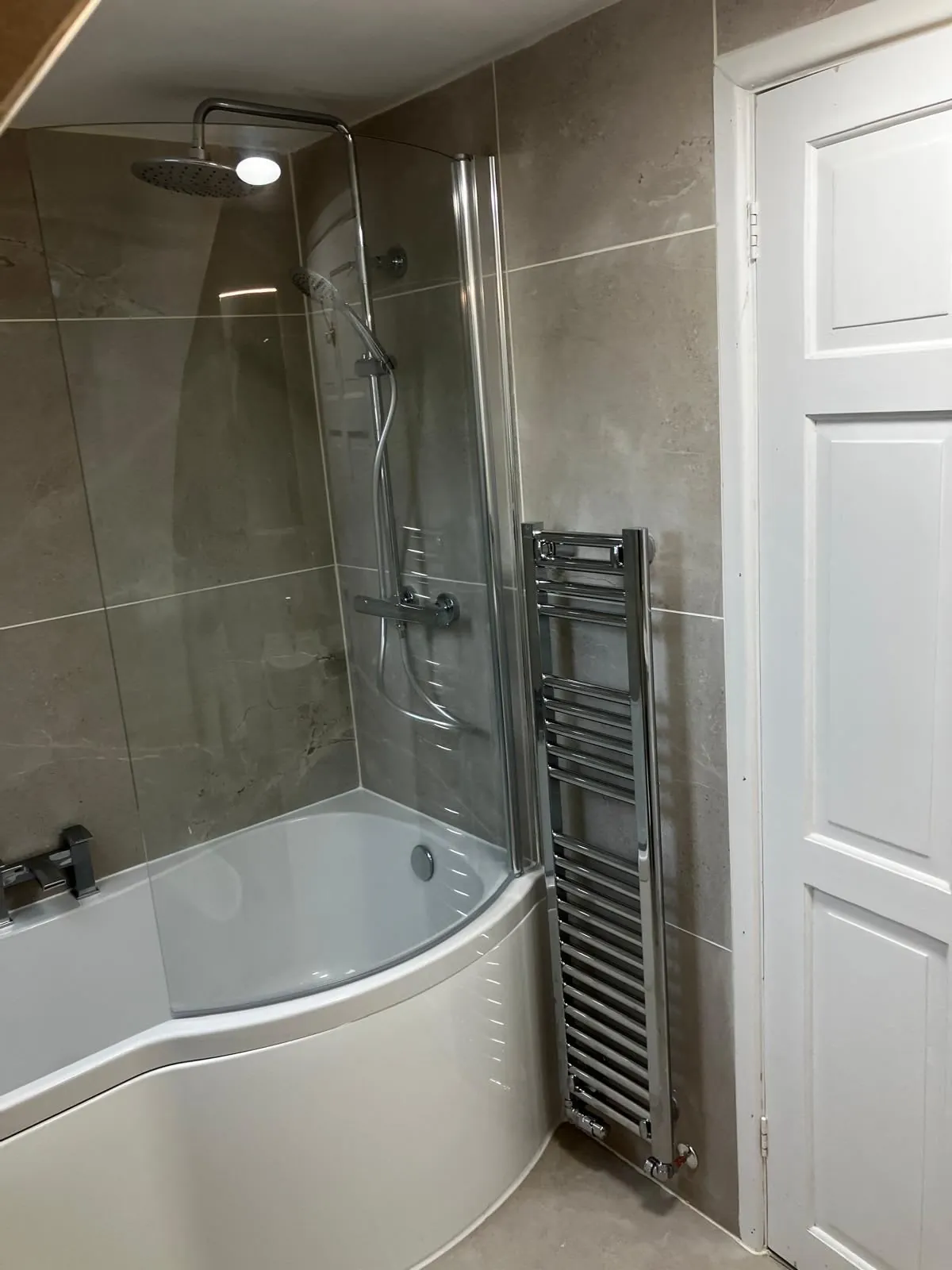
The three options are not really rivals; they do different things and often work together. A towel rail dries towels and adds gentle warmth, a radiator delivers strong heat, and underfloor heating warms the whole floor. Picking the right mix for your room is part of what we sort out on every job, and our bathroom remodel service builds the heating into the design rather than bolting it on at the end.
Heated Towel Rails
A heated towel rail is almost a default in a modern bathroom, and for good reason: warm, dry towels are a genuine daily pleasure, and the rail adds a bit of background heat too. They come in three types. A central-heating rail plumbs into your heating and only works when the heating is on. An electric rail runs independently, so it heats towels in summer when the boiler is off. A dual-fuel rail does both, which is why it is the most popular choice.
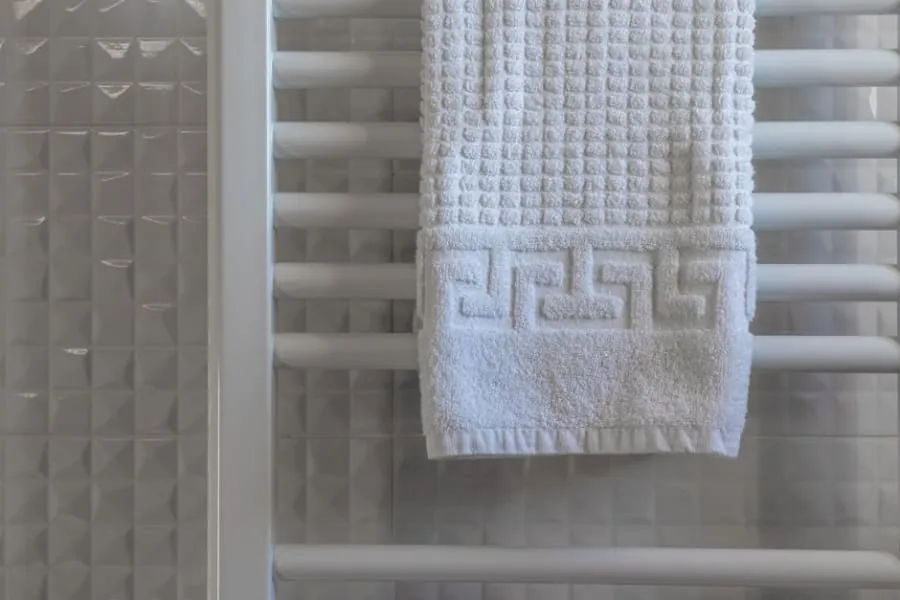
The one thing to be realistic about is heat output. A towel rail is great for towels and takes the edge off a small room, but in an average or larger bathroom it rarely puts out enough heat to warm the whole space on a cold day. Think of it as part of the heating rather than the whole answer, usually paired with underfloor heating or a radiator.
Bathroom Radiators
A radiator is the workhorse. Plumbed into your central heating, it delivers far more heat than a towel rail and warms a room quickly, which makes it the sensible choice for a larger or colder bathroom. Modern designer radiators come in shapes and finishes that suit a bathroom, so they no longer have to be the plain white panel of old.
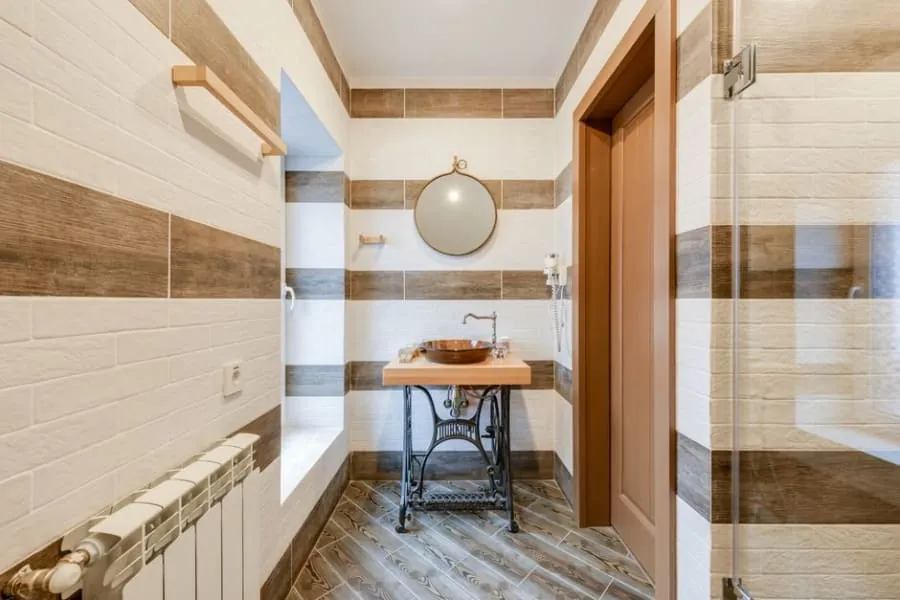
Running off the gas central heating also makes a radiator one of the cheaper options to run, since it uses the same system heating the rest of the house. The trade-off is wall space: a radiator takes up a chunk of wall that you might want for a vanity or storage, which matters in a smaller room. In a bigger Derby bathroom, though, a radiator or a tall vertical model is often the most effective and economical heat source.
Underfloor Heating
Underfloor heating has become one of the most requested upgrades, and it suits a bathroom especially well. A warm tiled floor underfoot on a cold morning is a real luxury, the heat is even across the whole room, and it uses no wall space at all. There are two types: electric, a thin mat laid under the tiles, and wet, pipes buried in the floor.
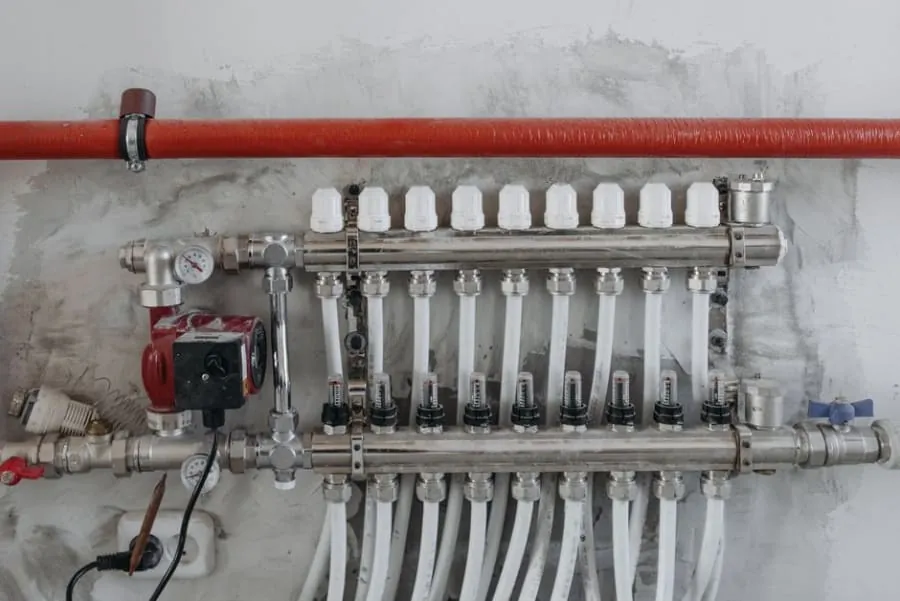
For a bathroom refit, electric underfloor heating is usually the practical choice, because the mat goes down easily under new tiles while the floor is already up, without the disruption of plumbing in a wet system. It warms up more slowly than a radiator, so it is best on a timer, and it costs a little more per unit to run. We go into the detail in our guide to underfloor heating in Derby bathrooms, which weighs up whether it is worth the extra outlay.
Which Heating Is Right for Your Bathroom?
Match the heating to the room. A small bathroom or en-suite is well served by electric underfloor heating for warmth underfoot plus a towel rail for the towels, which keeps the walls clear. A larger or particularly cold bathroom benefits from a radiator, ideally alongside a towel rail, for the extra output on a hard Derby winter.
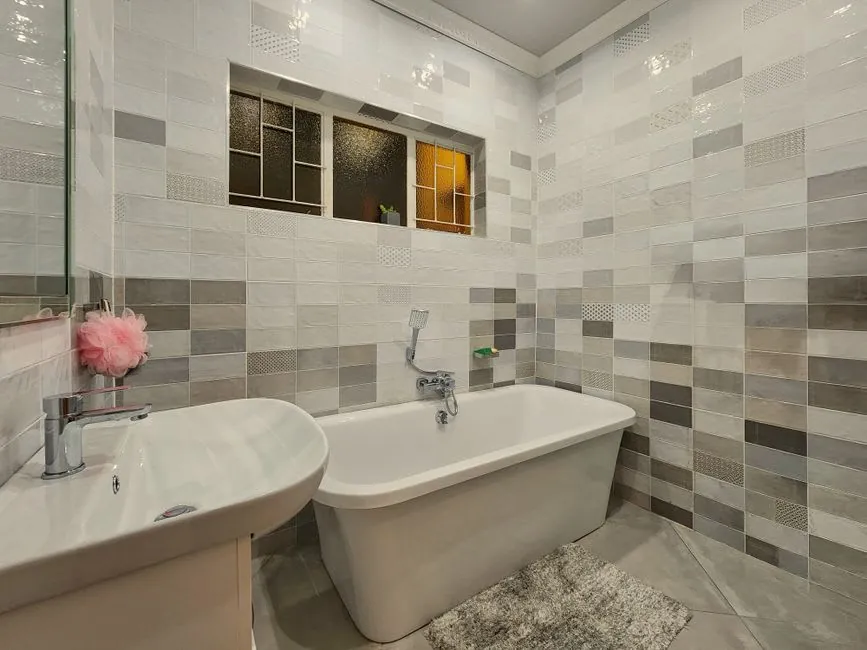
The most common setup we fit is underfloor heating paired with a dual-fuel towel rail, which covers warmth, comfort and towels between them. Whatever the mix, it works far better in a well-insulated room, so if you are renovating an older Derby bathroom it is worth improving the insulation and ventilation at the same time. General efficiency advice from the Centre for Sustainable Energy is a good starting point.
Running Costs and Efficiency
How much your bathroom heating costs to run depends mostly on whether it draws on the gas central heating or uses electricity. A radiator or a plumbed towel rail running off the boiler is generally the cheapest, because gas is cheaper per unit than electricity. Electric underfloor heating and electric towel rails are more convenient and independent, but cost more per hour, so they are best used with a timer and thermostat rather than left on.
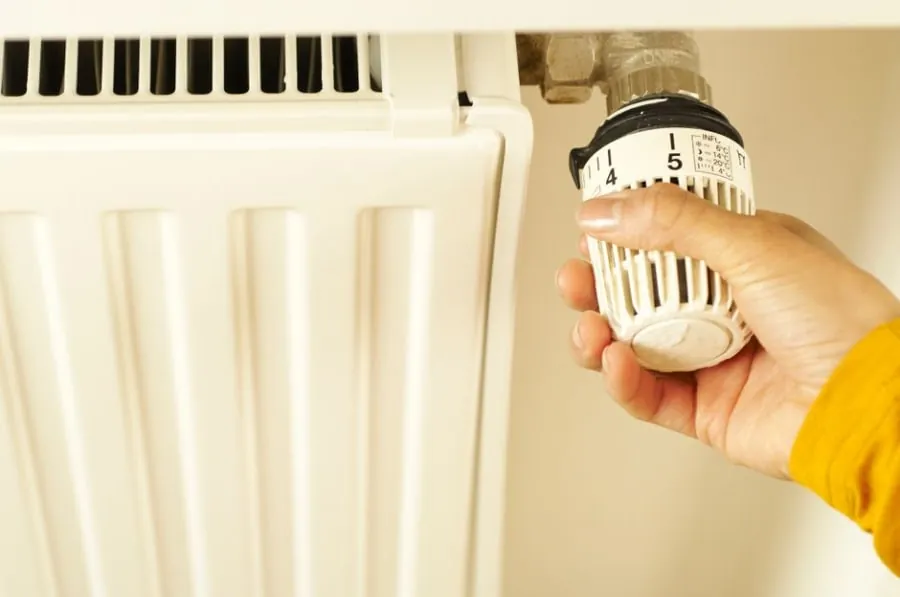
Insulation makes as much difference as the heat source. A well-insulated bathroom holds its warmth and costs less to heat, which is why the building regulations set standards for energy efficiency in the conservation of fuel and power approved document. For the fittings themselves, Which? bathroom reviews are a useful sense-check. Get the insulation, the heat source and a timer working together and a Derby bathroom stays warm without an alarming energy bill.
Frequently Asked Questions
What is the best heating for a bathroom in Derby?
There is no single best option; it depends on the room. A heated towel rail is the baseline for warm towels and takes the edge off a small bathroom. Underfloor heating suits a tiled bathroom where you want warmth underfoot and no wall space used, and it pairs well with a towel rail. A radiator is the strong, cheap-to-run choice for a larger or colder bathroom that is plumbed into the central heating. Many Derby bathrooms use a towel rail plus underfloor heating.
Is underfloor heating worth it in a Derby bathroom?
For a lot of Derby bathrooms, yes, especially during a refit when the floor is coming up anyway. Electric underfloor heating is cheap and quick to install under new tiles, warms the floor evenly, and frees up the wall space a radiator would take. It costs more per unit to run than a wet system off the gas central heating, so it is usually used as bathroom comfort heating alongside a towel rail rather than the sole heat source.
Is a heated towel rail enough to heat a bathroom?
In a small bathroom it can take the chill off, but in an average or larger room a towel rail alone often does not put out enough heat to warm the whole space on a cold Derby morning. It is best thought of as one part of the heating, brilliant for warm, dry towels, and usually paired with underfloor heating or a radiator for proper warmth.
Can I run a heated towel rail when the heating is off?
Only if it is an electric or dual-fuel model. A towel rail plumbed into the central heating only works when the heating is on, which is no use for drying towels in summer. A dual-fuel rail runs off the heating in winter and an electric element the rest of the year, which is the most flexible option and popular in Derby bathrooms.
Planning a warmer bathroom for the winter ahead? Get a free quote from Bathroom Fitters Derby and we will design the heating around your room and your budget.